


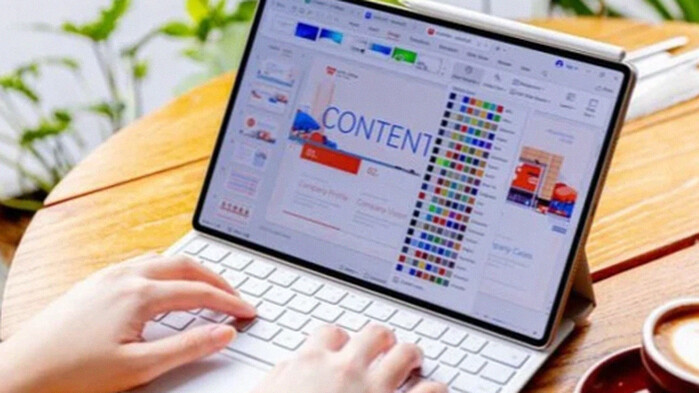
At the start of 2026, tablet prices have shown notable shifts across various market segments. These updates cater to a wide array of users, from students with budget constraints to gamers and professionals requiring high performance. The dynamic improvements in hardware and features reflect the evolving needs of consumers in each category.
Affordable tablets remain popular among students and casual users. Devices priced roughly between $60 to $120 offer sufficient capabilities for web browsing, video streaming, and basic digital note-taking. Despite their entry-level specifications, these tablets provide smooth performance for educational tasks without breaking the bank.
1. Budget Tablets for Students
Tablets in this segment are designed to be cost-effective tools for learning. They typically feature modest chipsets and moderate battery life adequate for schoolwork and multimedia consumption. A noted price range around $60 to $120 targets students who prioritize functionality over advanced features. These models fulfill the core needs of browsing digital textbooks and attending online classes conveniently.
2. Versatile Mid-Range Tablets
For users who demand more power and flexibility, mid-range tablets around the $250 to $450 mark hit the sweet spot. Devices such as the OnePlus Pad 3 emerge as favorites, balancing strong processing power with expansive displays and effective multitasking capabilities. Samsung’s Galaxy Tab S10 FE+ also stands out with its large screen and integrated stylus support, making it ideal for students who engage in creative work alongside academic tasks.
The inclusion of 120Hz refresh rate screens and responsive touch input elevates the user experience, allowing smooth scrolling and gaming. These tablets cater well to active learners, content creators with light editing needs, and even some casual gamers.
3. Premium Tablets for Professionals and Creators
At the high end, tablets surpassing $700 offer flagship-level hardware tailored for professional productivity and creative workflows. The Samsung Galaxy Tab S10 Ultra, for example, boasts a large AMOLED display and a high-precision S Pen. Such features enable detailed graphic design, presentations, and efficient multitasking without switching devices.
New entries unveiled during CES 2026 suggest that the premium segment will continue to integrate cutting-edge processors and enhanced stylus technology. While pricing details in various global markets await confirmation, these tablets target creatives and professionals who rely on mobile yet powerful tools.
Price and Feature Trends in 2026
Recent market analysis reveals that screen size is no longer the only parameter driving tablet demand. High refresh rates (120Hz and above) and larger battery capacities are now standard expectations. Tablets increasingly feature active pens that augment productivity, blurring the line between tablet and laptop functionality.
Manufacturers are pushing multi-functionality, ensuring that a single device can meet media consumption, gaming performance, and professional-grade design tasks. This trend transforms tablets from simple entertainment devices into essential productivity partners.
Summary of Price Ranges and Key Features
| Segment | Price Range (USD) | Notable Features | Ideal Use Case |
|---|---|---|---|
| Budget (Students) | $60 – $120 | Basic processors, suitable battery life | Digital learning, casual use |
| Mid-Range (Active Users) | $250 – $450 | High refresh rate, stylus support | Multitasking, light creative work |
| Premium (Professionals) | $700+ | AMOLED display, advanced stylus, high-end CPU | Graphic design, presentations, gaming |
Consumers in January 2026 have multiple tablet options, whether their priority is cost efficiency, balanced performance, or top-tier capabilities. The ongoing enhancements across all price brackets reflect a market attuned to diverse demands, making tablets a compelling choice for education, gaming, and professional use alike.