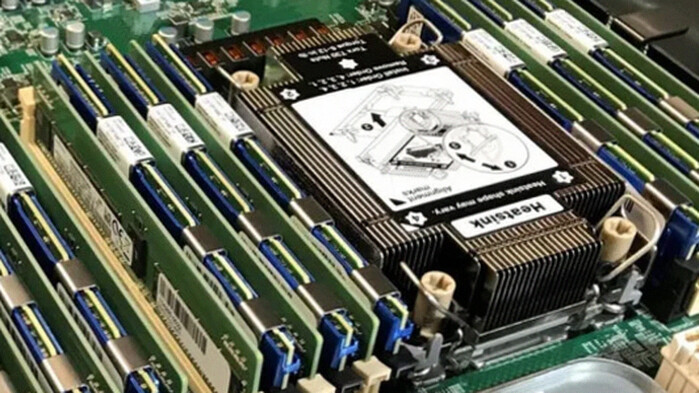
The global memory chip supply chain is facing unprecedented pressure as artificial intelligence (AI) demands surge. By 2026, it is projected that AI data centers will consume up to 70% of the world’s memory chip production, creating a severe shortage for other industries. This shift threatens broad economic disruption beyond the tech sector.
AI’s exponential growth drives an aggressive reallocation of chip manufacturing capacity. According to recent analyses, manufacturers are prioritizing advanced memory chips for AI workloads, which offer higher profit margins. As a result, production of older memory chip generations is being curtailed or discontinued. This strategic shift squeezes supply for non-AI sectors, putting legacy industries in jeopardy.
Industry-Wide Ripple Effects
The shortage is already impacting industries that rely on older memory technologies. The automotive sector, which depends on reliable but less sophisticated memory chips, faces supply risks. Despite its relatively low use of AI-specific memory, it competes against AI data centers for limited chips. Similarly, consumer electronics like televisions, Bluetooth speakers, and smart home devices are experiencing supply constraints.
An analyst from Counterpoint Research highlights the urgency of the situation. Production capacity for 2028 is being allocated today, deeply influenced by AI’s rising dominance. Traditional electronics manufacturers struggle to secure essential components, raising concerns for product availability.
Consumer Price Impact
The scarcity of memory chips is driving up production costs across consumer electronics. Memory components, while a smaller share of overall device costs, can represent up to 10% of pricing for products like TVs and smart devices. In smartphones, chip memory costs may constitute as much as 30% of total manufacturing expenses.
This price pressure is expected to be passed on to end customers. IDC forecasts a decrease in consumer tech demand, with smartphone sales projected to drop 5% and PC sales declining by 9% in 2026. The reallocation to AI infrastructure contributes significantly to this market contraction.
Structural Market Shifts
Experts agree the current supply disruptions mark a permanent transformation in the memory chip industry. Avril Wu of TrendForce describes this as the most extreme structural change observed in nearly 20 years. The market is shifting toward exclusive alignment with AI data center needs, bypassing traditional consumer and industrial applications.
IDC concurs, emphasizing the relentless focus on AI-driven memory demand. This reshaping challenges the entire supply ecosystem to adapt to an unbalanced market.
Supply Chain Resilience and Challenges Ahead
The growing scarcity of memory chips underscores vulnerabilities in global supply chains. With AI requiring an overwhelming share of production, industries outside AI are caught in a tightening grip. Manufacturers and policymakers now face the critical task of balancing cutting-edge AI demands with broader industrial needs.
Failing to address these imbalances risks inflating electronics prices and slowing manufacturing in vital sectors. The ripple effects may extend well beyond technology into everyday consumer goods and vehicles. Solutions must focus on increasing production capacity, diversifying supply sources, and fostering cooperation between governments and industry.
Key Points to Consider:
- AI data centers will absorb 70% of global memory chip production by 2026.
- Non-AI industries like automotive and consumer electronics face increasing shortages.
- Memory chip costs can account for up to 30% of smartphone production expenses.
- Analysts describe this as the most significant market shift in two decades.
- Supply chain resilience and policy intervention are critical to balance demands.
This evolving situation requires continuous monitoring as the technology landscape rapidly shifts. Memory chip supply constraints highlight the need for strategic planning to mitigate widespread industrial and consumer impacts.