


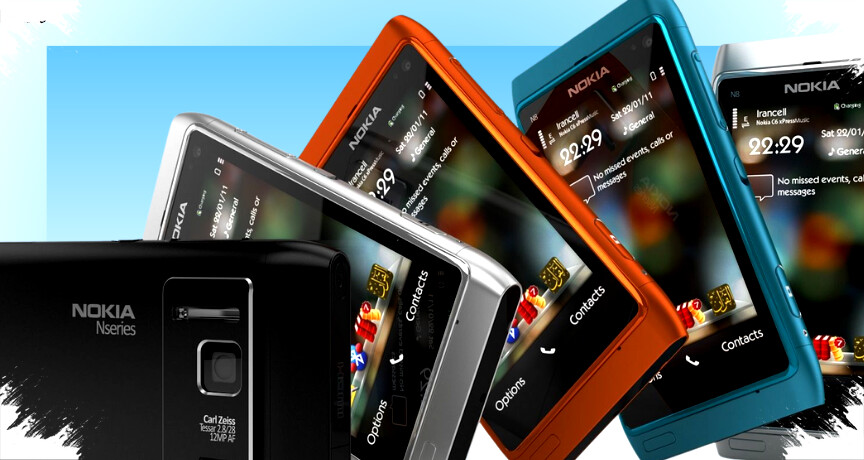
Nokia N8 continues to attract attention even in 2026. This smartphone, launched in 2010, was once Nokia’s flagship and remains popular among collectors and classic phone enthusiasts. The main appeal of the Nokia N8 lies in its advanced camera technology, which was groundbreaking at the time.
One key feature is the 12.1-megapixel rear camera equipped with a Carl Zeiss lens and a Xenon flash. This combination was rare for smartphones in 2010 and allowed the phone to capture sharp, detailed photos with natural lighting. The Xenon flash stood out, providing brighter and more consistent illumination compared to LED flashes common in many phones.
Beyond still photography, the Nokia N8 supports HD video recording at 720p resolution. Although by today’s standards this video quality is basic, it is still sufficient for simple documentary needs. This feature helped the device stand out when it was first released.
Design and Display Quality
Nokia N8 offers a 3.5-inch AMOLED screen, which features high contrast levels and efficient power consumption. The display is also protected by Corning Gorilla Glass, giving it reasonable resistance against scratches. In an era dominated by plastic-bodied phones, the Nokia N8’s anodized aluminum chassis gave it a premium and durable feel that many modern phones cannot replicate.
Additionally, the device was equipped with several hardware features that have become rare today. For example, a mini HDMI port allowed users to connect the phone directly to televisions—a convenience that is almost unheard of in current smartphones.
Additional Features from Its Time
Other notable functionalities included Wi-Fi 802.11 b/g/n, GPS with free Ovi Maps, an FM radio, and USB On-The-Go (OTG) support. The battery capacity was 1,200 mAh, which provided satisfactory endurance for calls and music playback under light usage conditions.
These specs highlight how Nokia included a wide range of useful hardware options that met the needs of users in the early 2010s.
Limitations in the Contemporary Context
Despite its strengths, the Nokia N8 faces significant limitations in 2026. The device runs on the outdated Symbian^3 operating system, which no longer receives support or updates. This means that many modern apps, including popular platforms like WhatsApp and YouTube, either do not work properly or have been discontinued for the phone.
Performance is also hindered by an ARM11 680 MHz processor paired with only 256 MB of RAM. Multitasking is slow, and there is no support for modern 4G or LTE networks. Even the front-facing camera is just VGA quality, which is far below modern selfie standards.
Summary of Nokia N8 Specifications
Here is a quick overview of the Nokia N8’s key specs:
- Display: 3.5-inch AMOLED, 640×360 pixels resolution
- Processor: ARM11 680 MHz
- RAM: 256 MB
- Internal Storage: 16 GB, expandable via microSD up to 32 GB
- Rear Camera: 12.1 MP with Carl Zeiss lens and Xenon flash
- Front Camera: VGA
- Battery: 1,200 mAh non-removable
- Connectivity: 3G, Wi-Fi, Bluetooth 3.0, GPS, mini HDMI
- Body: Anodized aluminum chassis
Current Market Price and Usage
In 2026, Nokia N8’s price on the secondhand market varies widely based on condition and completeness. Prices generally range from $35 to $150. Units in average used condition are found near the lower end, while those preserved like new with original packaging can fetch prices above $150.
While not practical as a primary phone today, the N8 is highly valued as a collector’s piece, a nostalgic device, or a classic camera phone. Buyers interested in purchasing Nokia N8 should carefully check battery health, screen condition, and physical buttons since replacement parts are scarce and costly.
The unique imaging capabilities with the Carl Zeiss lens and Xenon flash continue to distinguish the Nokia N8 as a remarkable phone from its era, maintaining its status as a sought-after device in 2026.