


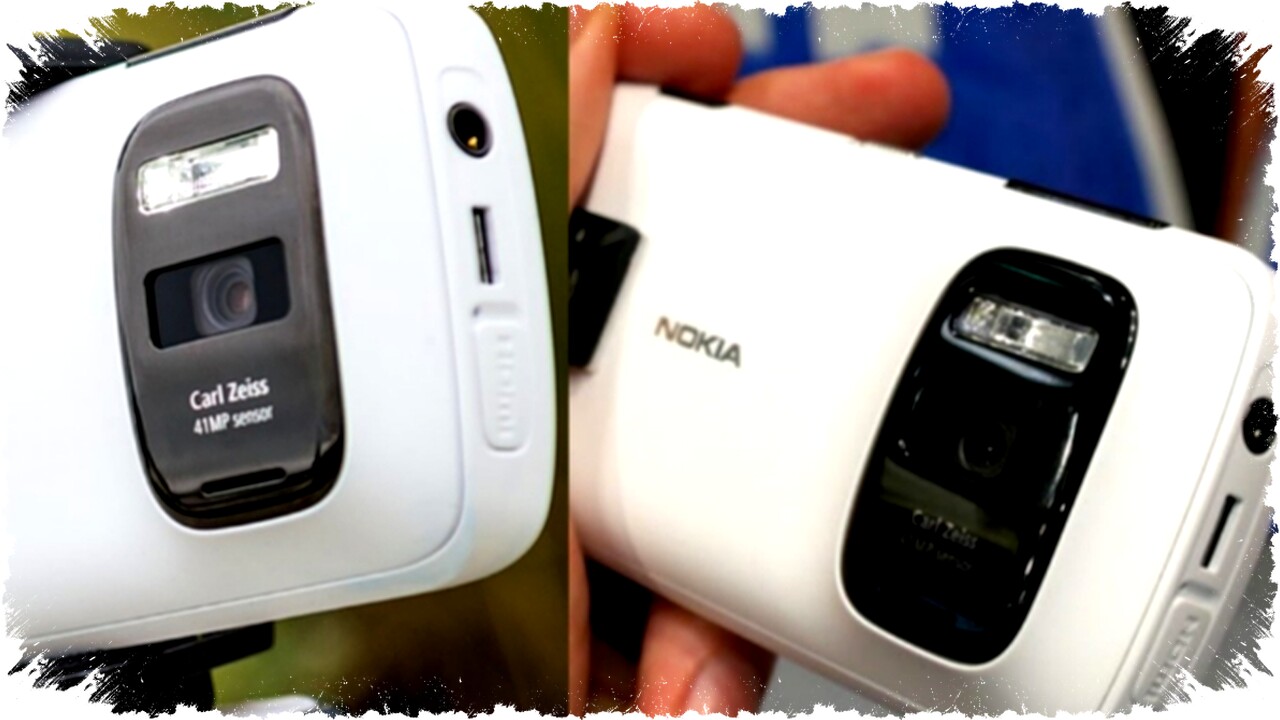
The Nokia 808 PureView first launched in 2012, quickly drawing attention for its groundbreaking 41-megapixel camera sensor. It remains a celebrated device among smartphone photography enthusiasts for delivering extraordinary photo detail and a distinctive image character that many modern phones strive to emulate.
This phone features a large 1/1.2-inch sensor paired with a Carl Zeiss lens, a combination that surpassed contemporary smartphone technology at the time of introduction. The PureView technology coupled with pixel oversampling allows the device to convert multiple pixels into one, producing sharp images with minimal noise.
One of the device’s standout strengths is its lossless zoom capability, letting users enlarge photos without sacrificing detail. This optical feat is still challenging for many current smartphones, which often rely heavily on software-based zoom enhancements that can degrade image quality.
Beyond photography, the Nokia 808 PureView supports Full HD 1080p video recording with clear audio quality. It uses a Xenon flash, which delivers more natural lighting compared to the prevalent LED flashes found on today’s smartphones. This results in photos taken in low-light conditions appearing more true-to-life.
The device retains the robust, classic Nokia design featuring a 4-inch AMOLED ClearBlack Display. While smaller than modern smartphone screens, this display size remains suitable for reviewing photos on the go. Additional features for its time include HDMI output, NFC support, FM radio, and a removable battery, enhancing the phone’s overall functionality.
However, the 808 PureView runs on the Symbian Belle operating system, which no longer supports popular applications like WhatsApp or current social media platforms. Its hardware specifications are also dated compared to modern smartphones, limiting its functionality in the current mobile environment.
Despite these limitations, collectors and classic photography fans continue to appreciate the device. The photos produced often feature natural colors and minimal software processing, differentiating the PureView’s output from contemporary AI-enhanced smartphone cameras that apply heavy digital filtering.
On the second-hand market, prices typically range from $100 to $200 for standard units, while well-kept models complete with original accessories can fetch upwards of $250, especially among collectors. This reflects the device’s ongoing value as a technological milestone in mobile photography history.
The Nokia 808 PureView exemplifies how large sensors and high-quality optics can deliver superior image quality, even without the advanced AI algorithms used by today’s phones. It highlights the importance of hardware innovation alongside software advancements in camera technology.
This phone showcases that megapixel count alone is not the sole determinant of photo quality; rather, the interplay between sensor size, lens quality, and image processing techniques defines the final output. As a result, the 808 PureView often draws comparisons to flagship models like the iPhone, proving its continued relevance in smartphone camera discussions.
In an era where many devices depend heavily on complex software, the Nokia 808 PureView serves as a reminder that classic hardware innovations still hold significant value. Its legacy inspires ongoing development in smartphone photography by proving that exceptional quality can be achieved through a different technological approach.