


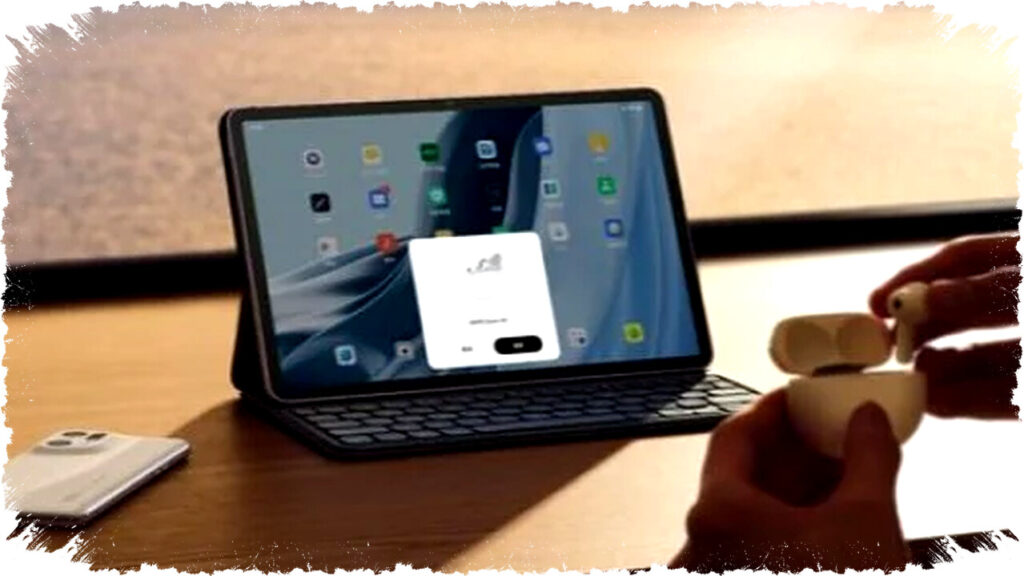
Tablets equipped with SIM card slots have become essential tools for hybrid and remote workers in 2026. These devices offer high mobility and independent internet access, crucial for professionals who need to stay connected without relying on WiFi networks. With specifications approaching that of lightweight laptops, tablets now serve as practical productivity tools beyond just content consumption.
Global trends show a growing demand for SIM card tablets driven by the shift toward hybrid work models. According to International Data Corporation (IDC), global tablet shipments rose by approximately 13% year-on-year in Q2 2025. This growth is attributed to new product launches and device refresh cycles among consumers and businesses alike.
Key Features Making SIM Card Tablets Ideal for Hybrid Work
Modern SIM card tablets come with built-in 4G LTE and 5G connectivity, enabling seamless internet access anywhere. The addition of attachable keyboards and desktop modes transforms these tablets into laptop alternatives suitable for on-the-go productivity. Large high-resolution displays paired with stylus support facilitate multitasking and creative work, appealing to professionals in design, documentation, and digital collaboration.
Another important trend is the integration of artificial intelligence (AI) and cloud productivity tools. IDC forecasts that device manufacturers will emphasize modular tablets capable of functioning as lightweight laptops, while AI-powered on-device features will enhance productivity for creators and remote workers.
Tablet Market Dynamics in Indonesia
In Indonesia, the popularity of SIM card tablets is surging due to the increasing need for work flexibility. These devices liberate users from dependence on specific WiFi networks at home or office locations. Affordable models priced from around $70 up to premium variants provide adequate performance for light multitasking, making them favored by students, remote workers, and small business owners.
The pricing spectrum ranges from budget-friendly tablets suited for basic productivity to flagship models that target advanced users. This affordability and performance balance make SIM card tablets attractive to mobile professionals such as sales personnel, journalists, and creative industry workers operating at the field level.
Projected Evolution of Tablets into Laptop Replacements
Industry analysts predict the tablet will further cement its role as a primary productivity device in the hybrid work era. Future developments are expected to include OLED displays, higher refresh rates, and new-generation keyboards and stylus accessories aimed at enhancing the remote work experience. AI-driven productivity tools integrated directly on devices will also become mainstream.
With ongoing enhancements in processing power and wireless connectivity, SIM card tablets are poised to rival entry-level laptops more directly. Their convenience and performance position them as practical work companions for mobile professionals across Indonesia and beyond, adapting well to the demands of flexible, location-independent workstyles.
Summary of Advantages of SIM Card Tablets for Hybrid Work:
- Mobile internet access through built-in 4G LTE/5G.
- Convertible design with attachable keyboards and desktop modes.
- Large, high-res displays supporting multitasking and creative tasks.
- Stylus compatibility for note-taking and design work.
- AI and cloud productivity tool integration.
- Wide price range catering to different user needs.
- Strong appeal in markets with significant remote working populations.
As hybrid work continues to redefine productivity requirements, SIM card tablets provide an adaptable and cost-effective solution. Their evolving features enable professionals to maintain connectivity and productivity whether working from home, office, or on the move.