


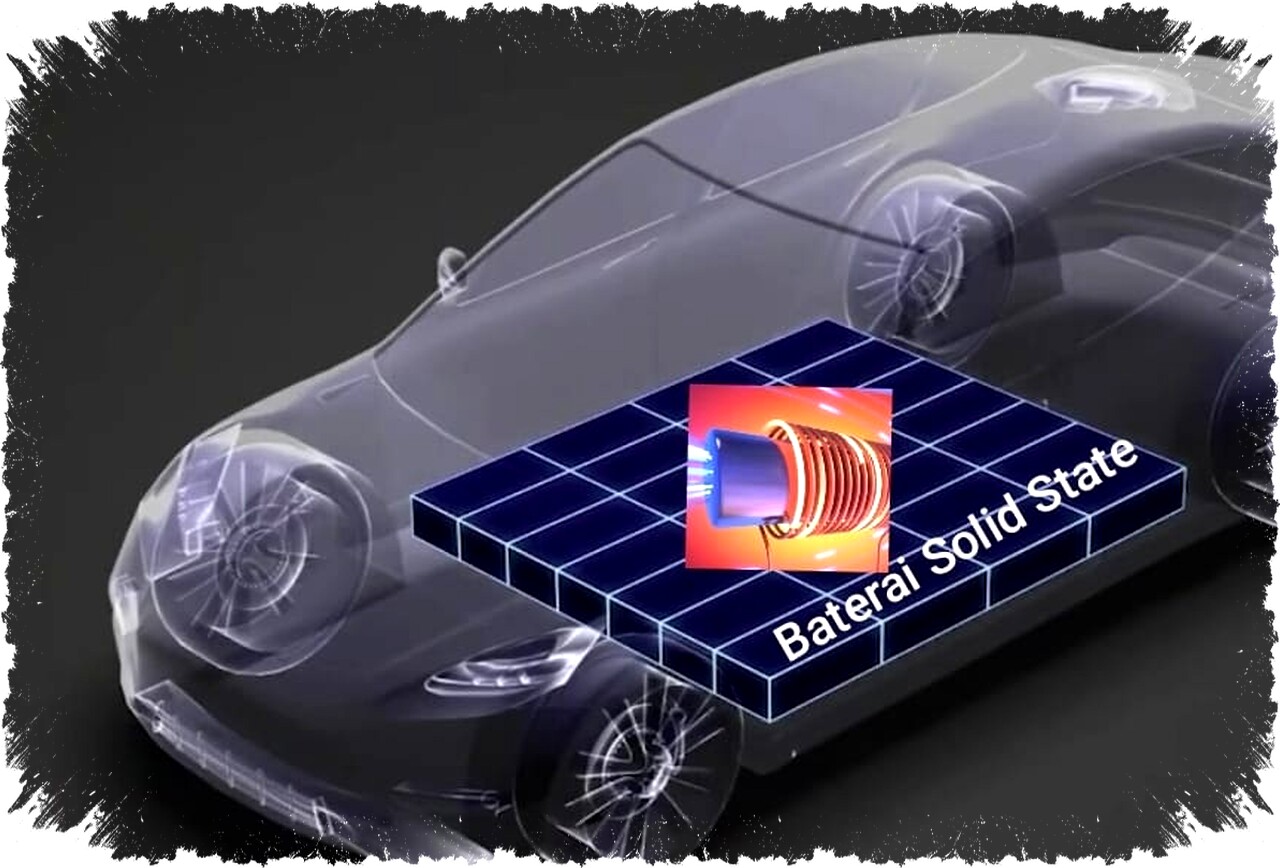
The year 2026 is set to mark a pivotal moment in the evolution of electric vehicles (EVs). After years of experimental research, solid-state batteries are finally transitioning from the lab to large-scale production and real-world testing in vehicles. This breakthrough promises to revolutionize EV performance by delivering longer driving ranges, faster charging times, and enhanced safety features.
Globally, major automakers from China, the United States, and Europe are gearing up to introduce solid-state battery technology in upcoming electric vehicles. Chinese automaker Geely Auto has announced plans to begin producing solid-state battery packs in 2026 and integrating them directly into vehicle prototypes. This initiative positions Geely as a frontrunner in commercializing next-generation battery technology.
Why Solid-State Batteries Matter
Solid-state batteries replace the liquid or gel electrolytes found in conventional lithium-ion batteries with solid materials, such as ceramics or polymers. This fundamental change significantly improves battery stability and safety. Experts refer to this innovation as the “holy grail” of EV battery technology due to several notable advantages over current lithium-ion cells:
- Enhanced Safety: Solid electrolytes greatly reduce risks of leakage, fire, and thermal runaway.
- Higher Energy Density: These batteries can store more energy per kilogram, enabling electric vehicles to travel much farther on a single charge.
- Faster Charging: The stable internal structure allows quicker energy transfer, shortening charging times.
- Compact Form Factor: Despite higher capacity, solid-state batteries remain smaller and lighter than existing designs.
A prime example is Dongfeng Motor, a Chinese manufacturer testing solid-state batteries in harsh cold weather conditions to validate their durability. Dongfeng plans mass production by September 2026, aiming for energy densities around 350 Wh/kg, capable of powering an EV for up to 1,000 kilometers (~620 miles) per charge. Battery maker Svolt Energy pushes this further with semi-solid-state battery prototypes reaching approximately 400 Wh/kg.
Different Strategies in the West
Meanwhile, U.S. companies like Factorial Energy and QuantumScape have partnered with established automakers such as Mercedes-Benz, Stellantis, and Volkswagen. These collaborations focus on integrating solid-state batteries into demonstration fleets in 2026, a critical step before consumer availability. QuantumScape is also preparing to launch an automated pilot production facility in early 2026.
Europe is concentrating not only on production but also on establishing reliable supply chains and recycling systems for solid-state batteries. French company Blue Solutions has successfully used solid-state batteries in buses and plans to adapt this technology for passenger cars. Taiwan-based ProLogium intends to open a major manufacturing plant in France, underscoring Europe’s commitment to becoming a global battery production hub.
Challenges Ahead
Despite the optimism, several obstacles persist:
- High Production Costs: Manufacturing solid-state batteries currently requires expensive materials and complex processes.
- Scaling Difficulties: Transitioning from prototypes to mass production remains technically challenging.
- Manufacturing Complexity: Achieving consistent quality with solid electrolytes is still under development.
Industry giants like CATL and BYD take a cautious stance, targeting limited solid-state battery deployment around 2027, once costs decline and manufacturing stabilizes.
Impact on Consumers
Once widespread, solid-state batteries will profoundly reshape the EV experience. Consumers can expect:
- Extended driving ranges without frequent recharging.
- Improved safety even in extreme weather or accident scenarios.
- Longer battery lifespans, reducing replacement frequency.
These improvements address key concerns that have slowed EV adoption, potentially accelerating the shift away from internal combustion engines.
A New Chapter for Electric Mobility
The competition among global automakers and battery developers is intensifying as they race to pioneer solid-state technology. By 2026, this innovation will stop being a futuristic concept and become a tangible reality on roads worldwide. Solid-state batteries represent a major leap forward in energy storage, crucial for making electric vehicles more practical, efficient, and accessible for everyday users.
As manufacturers continue refining these batteries and overcoming production hurdles, the automotive landscape will experience a transformation that promises cleaner, safer, and smarter transportation for the future.