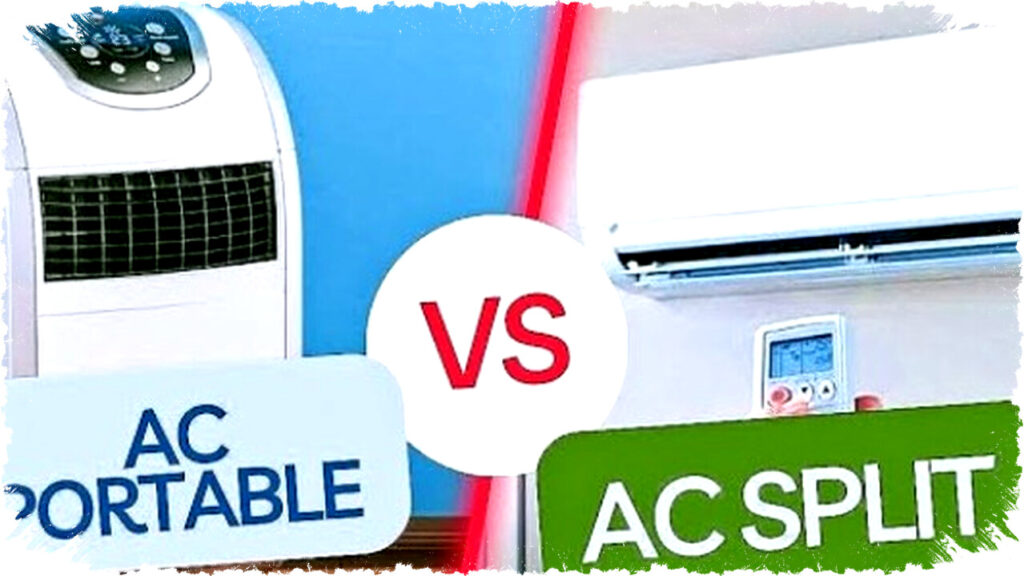
As summer approaches in 2026, many consumers in Indonesia seek ways to reduce electricity bills by choosing the most energy-efficient air conditioning (AC) systems. This has fueled ongoing debate between AC portable and AC split units, with attention focused on their operating costs and energy consumption.
AC split systems generally offer higher energy efficiency than portable units. Modern split ACs use inverter technology that adjusts compressor output to match room temperature requirements. This leads to lower electricity consumption compared to portable ACs with similar cooling capacity.
Energy Efficiency and Operating Costs
Studies from the UK highlight that split ACs consume significantly less energy in the long run. This lowers household electricity costs when used regularly. In contrast, portable ACs tend to use more energy per hour of cooling, which increases total electricity costs over time.
Portable AC units do, however, come with a lower initial price and do not require professional installation. This makes them attractive for rental homes or temporary use. Yet, their less efficient heat exhaust system via a hose results in higher electricity bills when used intensively every day.
Price Comparison in the Indonesian Market
As of January 2026, portable AC prices in Indonesia range between approximately $170 and $400. Split ACs span a wider price range from around $205 up to $680, varying by brand and capacity. While split ACs incur extra installation expenses, their inverter-driven design offers significant savings on electricity throughout their lifespan.
Here is a summarized glance:
Portable AC
- Price: $170 to $400
- Installation: No professional installation needed
- Energy Use: Higher electricity consumption
- Best For: Temporary setups, rental properties
- Split AC with Inverter
- Price: $205 to $680
- Installation: Requires professional setup
- Energy Use: Lower electricity consumption due to inverter technology
- Best For: Long-term use in homes or offices
Total Cost of Ownership (TCO) Considerations
Experts recommend evaluating the total cost of ownership—this includes the purchase price, installation fees, and projected electricity costs—before choosing an AC unit. The initial savings of portable ACs may be offset by higher electricity bills, especially for frequent usage. Split ACs, while requiring upfront installation spending, provide better efficiency and lower operating expenses over time.
Ultimately, the best choice depends on individual usage patterns, budget, and whether installation constraints exist. For consumers prioritizing energy savings and frequent use, split ACs are generally more economical in the long run. Meanwhile, portable ACs offer convenience and upfront affordability, suited for short-term or flexible needs.
By taking these factors into account, users can make informed decisions in 2026 to optimize their cooling comfort while minimizing electricity expenses.