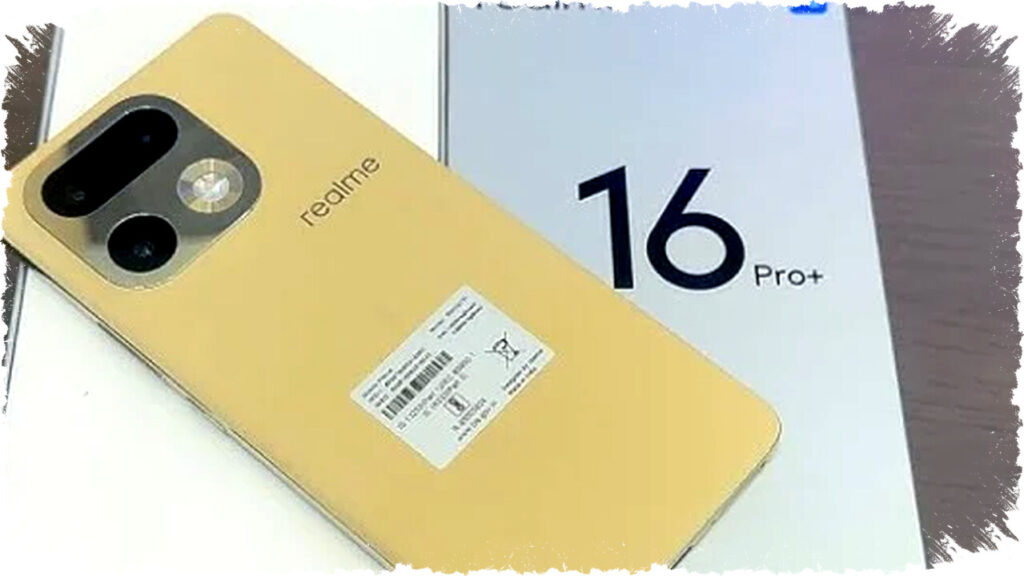
Realme is set to unveil its highly anticipated 16 Pro Series on January 6, 2026, marking a significant step forward for the brand. The new lineup will include two variants: the Realme 16 Pro and the Realme 16 Pro Plus. These devices are not just typical updates in the number series but represent a strategic move to strengthen Realme’s brand identity in the mid-range premium smartphone segment.
Realme has been making a serious push to elevate its market position since the launch of the Realme 11 Pro Series. The company aims to compete beyond raw specifications, focusing on design and user experience to create a distinctive identity. This was emphasized by the collaboration with renowned designer Naoto Fukasawa, who brought a sleek and refined aesthetic to the new models. The design bears a strong resemblance to flagship phones from sister brands OPPO and OnePlus, featuring a large camera module with a black capsule-shaped accent arranged neatly to reinforce a premium look.
Strategic Positioning and Market Competitors
Realme’s strategy heavily leans on frequent releases in its number series, often twice yearly, which helps maintain market relevance. However, some critics argue this leads to new products becoming obsolete rather quickly. With the 16 Pro Series, Realme aims to shift this narrative by offering stronger brand messaging and product differentiation.
The 16 Pro Series is targeted at the mid-range premium segment, catering to users who want near-flagship experiences without the flagship price tag. This segment directly competes with top models from Samsung’s Galaxy A series, Xiaomi’s Redmi Note Pro, Poco, and Vivo’s V series. Samsung banks on brand trust and software updates, Xiaomi offers aggressive specs-to-price ratios, and Vivo targets photography and lifestyle aesthetics. Realme’s move with the new series is to combine design excellence with advanced camera technology to stand out.
Impressive Camera Capabilities
The highlight of the Realme 16 Pro Series is its camera system, especially the 200MP main sensor. This ultra-high resolution is the largest ever seen in this series, supporting enhanced detail capture. The Realme 16 Pro Plus ups the ante with a 50MP telephoto periscope lens based on the Samsung GN5 sensor, delivering 3.5x optical zoom with optical image stabilization (OIS) for clearer, more stable shots. However, the ultrawide camera takes a step back to 8MP, a trade-off for the Plus model’s telephoto capabilities. Up front, the 50MP selfie camera supports 4K video recording at 60fps, a feature usually reserved for more expensive devices.
Display and Performance
The duo sports a sizable 6.8-inch OLED display with a 1.5K resolution. The 120Hz refresh rate ensures smooth scrolling and an engaging user interface experience. An in-display fingerprint sensor adds to user convenience with fast and accurate biometric recognition. Despite the premium design and camera features, the devices are powered by mid-range chipsets; specifically, the Pro Plus houses the Snapdragon 7 Gen 4, while the Pro uses the Dimensity 7300. This limits peak performance but should be sufficient for everyday tasks and moderate gaming.
Key Features at a Glance
| Feature | Realme 16 Pro | Realme 16 Pro Plus |
|---|---|---|
| Main Camera | 200MP with OIS | 200MP with OIS |
| Telephoto Lens | No | 50MP periscope 3.5x optical zoom |
| Ultra-wide Camera | Higher than 8MP (exact TBD) | 8MP |
| Front Camera | 50MP, 4K 60fps video | 50MP, 4K 60fps video |
| Display | 6.8-inch OLED, 1.5K, 120Hz | 6.8-inch OLED, 1.5K, 120Hz |
| Processor | Dimensity 7300 | Snapdragon 7 Gen 4 |
| Design | Flat back cover, premium look | Curved back cover, flagship resemblance |
Realme continues to blur the lines between mid-range and flagship smartphones with this launch. By emphasizing sophisticated design from Naoto Fukasawa and integrating a 200MP main camera setup, the company reaffirms its ambition to boost its standing in a crowded field. While the hardware positioning stays in the mid-tier, the overall package aims to deliver photography and aesthetic experiences closer to high-end phones, all for a price accessible to a broad audience.