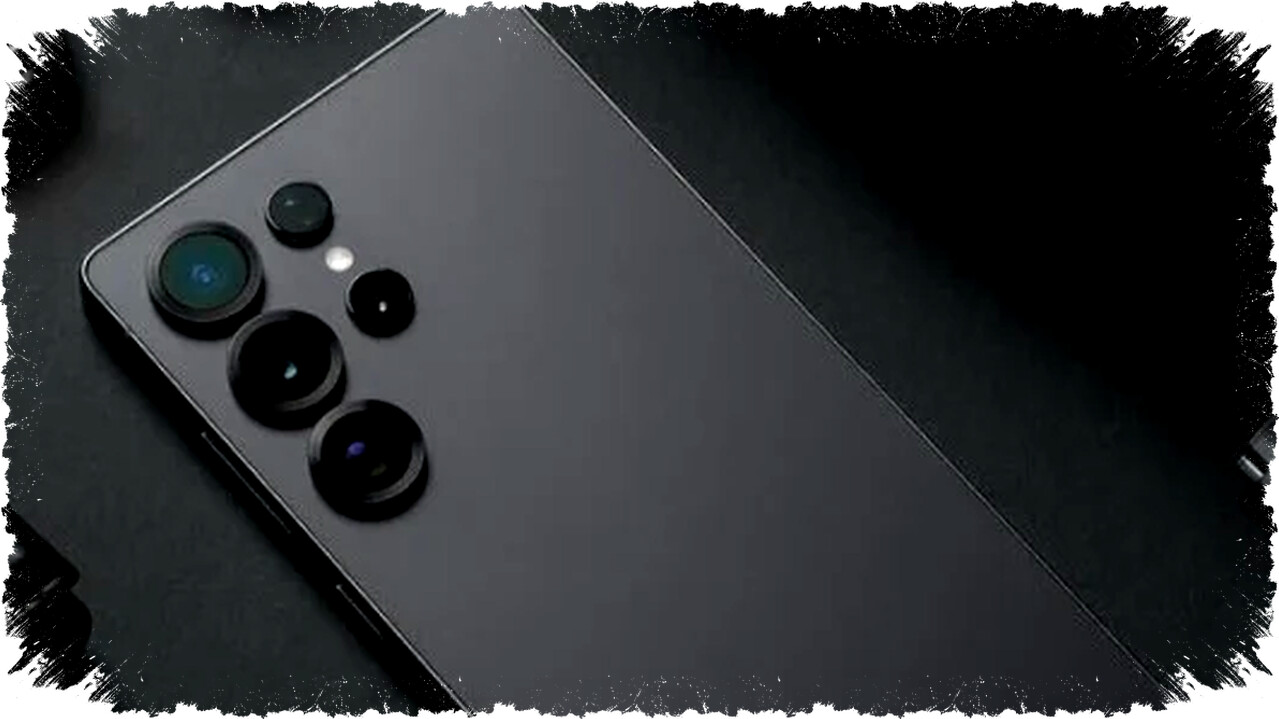
Two budget smartphones are gaining buzz in early 2026 for their premium designs and competitive prices. The Itel S25 Ultra and Infinix Hot 50 Pro Plus both fall around the $120 to $148 mark, offering solid options for buyers wanting stylish phones without breaking the bank. Each device has unique strengths that appeal to slightly different user needs.
Design and Build Quality
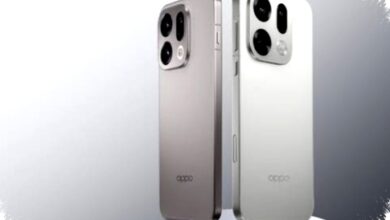
Both smartphones sport curved glass on the front and back, giving them a premium feel similar to flagship models. The Infinix Hot 50 Pro Plus is marginally thinner at 6.8 mm and lighter at 162 grams. Meanwhile, the Itel S25 Ultra measures 6.9 mm thick and weighs 163 grams. This slight difference is barely noticeable in hand. Importantly, both phones carry IP54 certification for splash and dust resistance. The Itel S25 Ultra uses Gorilla Glass 7i for screen protection, whereas Infinix only mentions Gorilla Glass with no specific version. Itel’s design strongly resembles Samsung’s flagship style, which partly explains its viral popularity, while Infinix opts for a more distinctive look with unique accents.

Display Performance: Brightness vs Smoothness
Each model features a 6.78-inch AMOLED display with Full HD+ resolution and a smooth 120 Hz refresh rate. The Itel screen offers a peak brightness of 1,400 nits, making it slightly easier to view in direct sunlight compared to Infinix’s 1,300 nits. Both phones incorporate an in-display fingerprint sensor with fast and accurate recognition, adding to user convenience.
Processing Power and Gaming
The Infinix Hot 50 Pro Plus is equipped with a MediaTek Helio G100 chipset fabricated on a 6nm process, known for strong midrange performance, especially in games. Contrastingly, the Itel S25 Ultra relies on an older Unisoc T620 chipset built with 12nm technology. For daily activities such as web browsing, social media, and video playback, the Itel performs adequately. However, gamers looking to play medium-level games will find the Helio G100 a better performer offering improved efficiency and speed.
Camera Capabilities
Both phones have a 50MP main camera without optical image stabilization and an added ultra-wide lens, although the extra camera is more for marketing than practical use. The selfie camera is where Itel S25 Ultra excels with a 32MP sensor, producing sharper and more detailed self-portraits compared to the Infinix’s 16MP front camera. Video recording on the Infinix Hot 50 Pro Plus supports up to 2K resolution at 30fps and Full HD at 60fps, making it attractive for content creators. The Itel is limited to Full HD 30fps, reflecting its less powerful chipset.
Battery Life and Charging Speed
Both the Itel S25 Ultra and Infinix Hot 50 Pro Plus come with a 5,000mAh battery capacity, sufficient for a full day’s use under normal conditions. A key difference lies in charging speed. The Itel supports only 18W charging, which is relatively slow for this period. The Infinix doubles that with 33W fast charging, allowing the battery to fill up 30-40 minutes faster. For users who dislike long charging waits, Infinix offers better practicality and convenience.
Choosing Between Itel S25 Ultra and Infinix Hot 50 Pro Plus
At roughly $120, the Itel S25 Ultra appeals to buyers on a tighter budget who want a flagship-like design with decent daily performance. The Infinix Hot 50 Pro Plus costs an additional $28 but delivers meaningful upgrades in chipset power, faster charging, better video capabilities, and superior speakers. It caters well to users interested in gaming and content creation. Ultimately, the decision depends on whether the user values design and selfie quality more or prioritizes performance and faster recharging.
This emerging segment of $120-$150 smartphones highlights how affordable devices now blend premium aesthetics with functional upgrades. With IP54 water resistance, AMOLED displays, and competitive features, both the Itel S25 Ultra and Infinix Hot 50 Pro Plus offer strong options for budget-conscious consumers seeking more than just basic hardware.