Original Design Manufacturer (ODM) smartphones have become a widespread phenomenon in the modern technology market. In simple terms, an ODM is a company that designs and manufactures devices using its own specifications. It then sells these devices to other brands, which rebrand and market them under their own names. This practice, known as white-labeling, allows brands to offer smartphones without investing in the lengthy and costly process of product development from scratch.
When you buy a smartphone, the brand on the packaging might not have made the phone itself. Instead, many devices come from ODM factories and are rebranded by well-known companies before reaching consumers. This strategy is common not only in smartphones but also in laptops, televisions, and other electronics. It provides brands with quicker market entry and helps them reduce research and development (R&D) expenses dramatically.
How ODM Smartphones Work
The ODM company creates the smartphone based on its design and technical specifications. Then, a purchasing brand buys these phones in bulk and places its logo on them. Sometimes, the buying brand can request minor changes in specifications or design features under a contractual agreement, but the original core design belongs to the ODM.
White-labeling allows brands to skip the design and manufacturing phases, focusing instead on marketing and after-sales services. This explains why many phones from different brands look almost identical and share similar internal components. It’s a practical model, enabling smaller or new brands to offer products without extensive infrastructure.
Is Buying an ODM Smartphone Legal?
Despite common misconceptions, ODM smartphones are perfectly legal. The purchasing company has full rights to brand the product, alter certain features, and market it under their own name. The intellectual property of the design remains with the ODM manufacturer, while the buyer uses the product per their agreement.
This contractual clarity ensures legitimacy and protects both parties’ rights. The ODM model is widely accepted in many industries worldwide, as it allows for efficient scaling and accessibility in consumer electronics.
Drawbacks of ODM Smartphones
One major downside of ODM smartphones is the limited differentiation among products. Since many brands use similar or even the same designs from ODMs, smartphones can look nearly identical. This reduces uniqueness in appearance and available innovation for end customers.
Other common disadvantages include:
- Brands lack full control over core design decisions.
- Risks of legal disputes if contracts are unclear or breached.
- Quality control may vary due to mass production.
- Innovation is often limited since the design is reused across brands.
Because of these issues, some OEM products seem somewhat “cookie-cutter,” making it harder for consumers to make decisions solely based on design or specs tied to brand identity.
Advantages of ODM Smartphones for Companies and Consumers
ODM manufacturing offers significant benefits to businesses and buyers alike. Companies can save millions on R&D by sourcing ready-to-market products. They can also launch products faster, bypassing years of design and testing phases.
Additional advantages include:
- More affordable retail prices for consumers.
- Efficient production that leverages economies of scale.
- Easier entry into competitive mid-range smartphone segments.
Major brands like Samsung and OPPO also rely heavily on ODMs for their mid-tier smartphones. This allows them to dedicate resources to developing flagship models while maintaining their market presence with cost-effective options.
For consumers, ODM smartphones often represent a balance between cost and functionality, providing capable devices without breaking the bank.
Brands Heavily Utilizing ODM Smartphones
ODM smartphones are central to the global mobile market, with compelling statistics highlighting this trend. For instance, in 2017 ODM phones accounted for about 23% of worldwide smartphone shipments. More recent data reveals these figures growing significantly:
- Samsung: around 22% of their phones come from ODMs.
- Huawei: approximately 18%.
- Xiaomi: as much as 74% rely on ODM products.
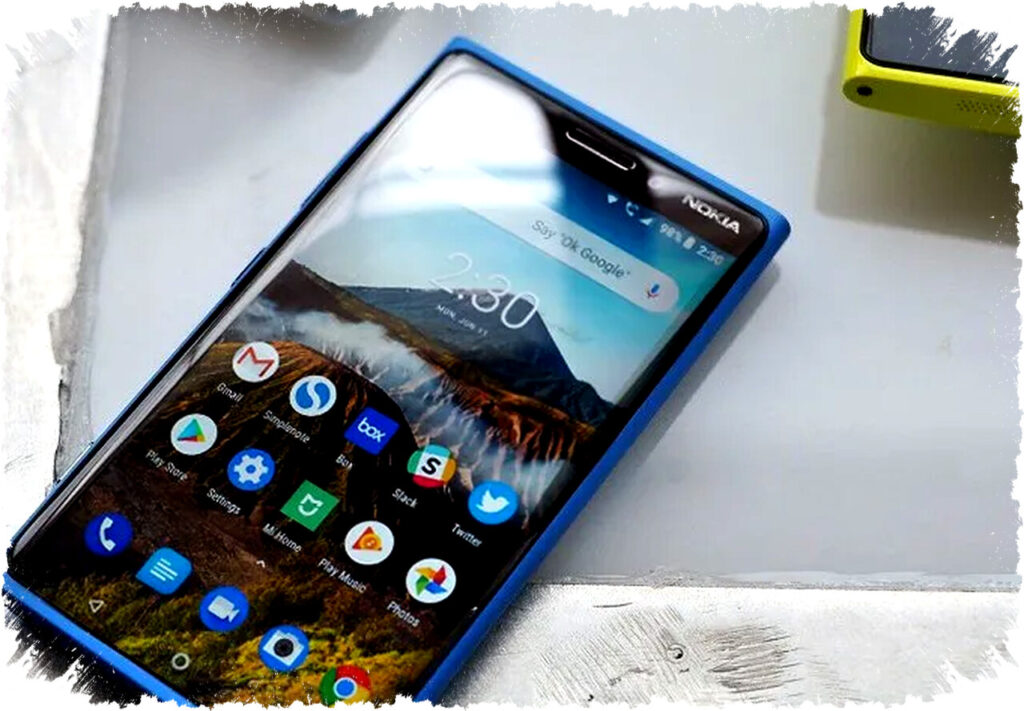
- Nokia: up to 88% of their phones use ODM manufacturing.
These figures show that even large, trusted manufacturers do not always manufacture their own products entirely. Instead, they integrate ODM devices into their lineups strategically.
Essential Considerations for Consumers
When purchasing an ODM-based smartphone, the key is to focus on quality assurance instead of the origin of manufacturing. Important factors include:
- The device’s hardware reliability and performance.
- Regular software updates and security patches.
- Availability of official warranty and customer support.
Brands that support their ODM smartphones well ensure that customers receive value far beyond just the hardware. Consumers should check these aspects rather than assume that ODM devices inherently lack quality or authenticity.
In conclusion, ODM smartphones represent a crucial aspect of today’s tech ecosystem. While they have limits in uniqueness and innovation, they enable affordable, accessible devices across many markets. Provided the brand offers proper support and service, ODM smartphones remain a viable choice for many users worldwide.