


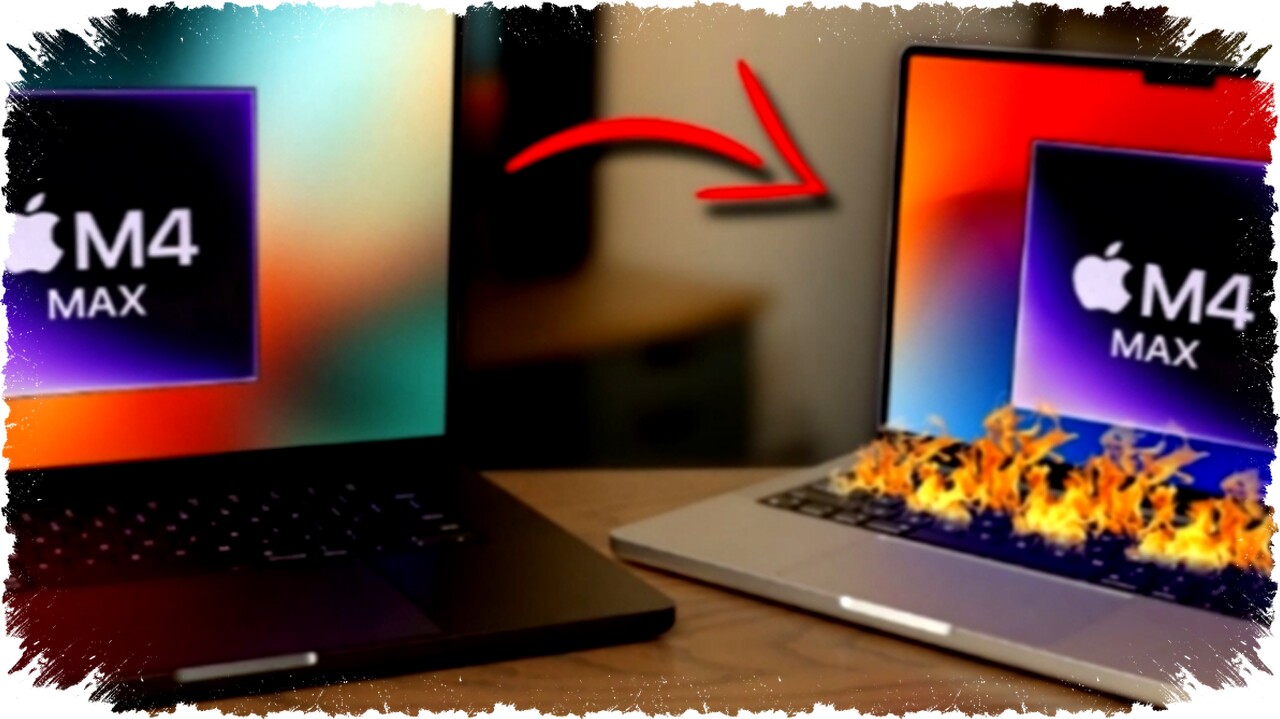
Apple enthusiasts have recently noticed shipping delays for the MacBook Pro M4 Max, especially for configurations equipped with large RAM capacities. Some buyers report waiting times extending up to two months, primarily for models featuring 36GB RAM or more. This delay has sparked widespread speculation that Apple is preparing the launch of a next-generation MacBook Pro powered by the upcoming M5 Pro and M5 Max chips.
According to sources like MacRumors, orders for MacBook Pro M4 Max units with 36GB RAM or higher are expected to ship only by February, while the highest-end 128GB RAM configurations may not be delivered until March. This postponement seemingly reflects a deliberate scaling back in M4 Max production rather than supply shortages or price issues. Apple appears to be reducing current inventory ahead of introducing its more advanced M5 chipsets in the foreseeable future.
Apple’s Strategy Behind MacBook Pro M4 Max Delays
Insiders, including Bloomberg’s Mark Gurman, reveal that the M5 Pro and M5 Max chips have entered the final stages of development, with Apple aiming for a release in the first half of 2026. Historically, Apple manages product transitions by limiting supply of existing models before the launch of new versions. This measured approach controls inventory and prepares channels for the next wave of devices.
Despite the broader PC hardware market grappling with a RAM shortage and surging component costs, Apple maintains relative insulation. Their use of unified memory architecture—where RAM integrates directly with the CPU and GPU—allows them to mitigate risks associated with fluctuating standalone RAM supplies. This design not only improves efficiency but buffers the company from typical market volatility affecting discrete memory chips.
Furthermore, Apple reportedly plans to absorb the rising costs of DRAM to keep the M5-equipped MacBooks competitively priced. This tactic reflects the firm’s commitment to the premium laptop segment, ensuring high-end configurations stay appealing despite industry-wide pricing pressures.
Impact of the Global RAM Shortage on the Industry
The ongoing RAM shortage stems largely from rapid demand growth within the artificial intelligence (AI) sector. Key manufacturers, such as Micron, have diverted resources away from consumer-grade products like Crucial memory modules to prioritize enterprise-level AI infrastructure. This realignment has created a bottleneck in the availability of memory for laptops and desktops, particularly affecting other PC vendors dependent on external RAM components.
Unlike many competitors, Apple benefits from a more resilient supply chain and a tighter integration of memory technology, making it less vulnerable to shortages. However, this RAM constraint and elevated prices are anticipated to persist throughout 2026. Consequently, consumers seeking laptops with large RAM capacities outside the Apple ecosystem may experience extended wait times or increased costs.
Developers of other core hardware components, such as Nvidia, continue to innovate for gaming and professional markets but are also shifting part of their focus toward AI-specific solutions. This evolving landscape signals a broader industry transformation as companies adapt to AI-driven demands.
Specifics on MacBook Pro M4 Max Shipping Delays
- Models with 36GB RAM or higher are expected to ship by February.
- 128GB RAM configurations may only be available starting March.
- Apple is intentionally curtailing M4 Max production to clear inventory.
- The introduction of M5 Pro and M5 Max chips is slated for early 2026.
For customers targeting advanced MacBook Pro models, the choice now lies between waiting for the newer, more powerful devices or opting for the current delayed M4 Max editions. Apple’s inventory management highlights a strategic balancing act between maintaining product availability and aligning with upcoming technological upgrades.
The forthcoming arrival of the M5 Pro and M5 Max chips promises a significant leap in MacBook performance, reinforcing Apple’s leadership in laptop innovation. Early signals point to enhanced processing power and efficiency gains, potentially reshaping user expectations for professional computing devices.
As Apple prepares to reveal these next-generation chips, market watchers and consumers alike should anticipate adjustments in shipping timelines and pricing strategies. This transition phase underscores how Apple carefully synchronizes hardware development with market supply, delivering competitive products while steering through complex global component challenges.