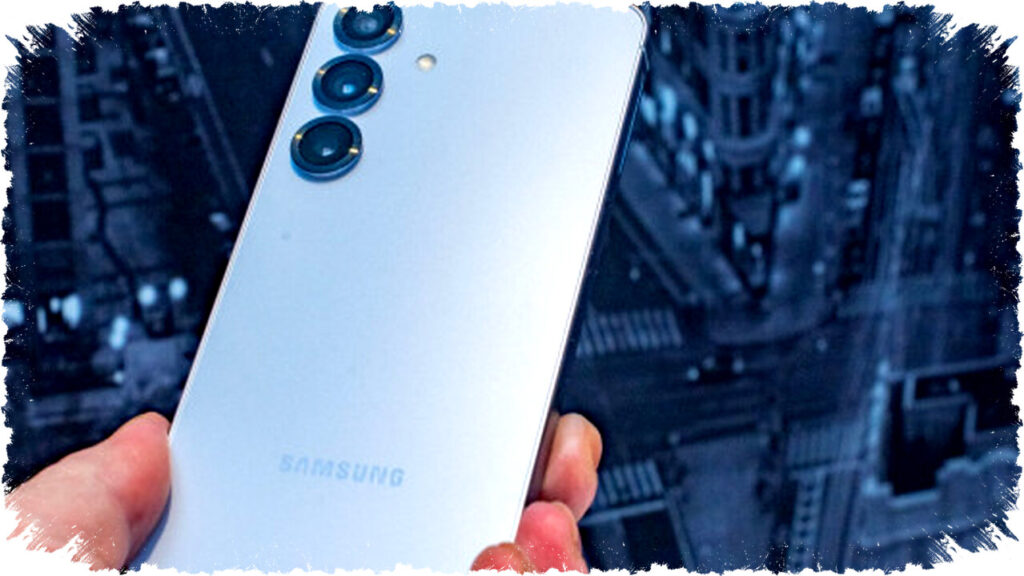
Samsung is set to raise the price of its Galaxy S26 series, with the base model experiencing a significant increase. Industry reports suggest the cost could jump by nearly €200, approximately $240, compared to its predecessor.
The price surge primarily results from rising global memory and RAM costs. Samsung’s move to start the Galaxy S26 lineup at 256GB storage instead of 128GB also contributes to the higher base price. Previously, the Galaxy S25 launched at around $799 for the base variant.
Price Changes Across Galaxy S26 Models
Prices are expected to vary across the new lineup, with distinct strategies for each model:
- Base Galaxy S26: Predicted to increase by up to $240 from the previous generation.
- Galaxy S26 Plus: Expected to maintain a similar starting price of about $999.
- Galaxy S26 Plus 512GB: Could cost roughly €230 (around $275) more than the equivalent Galaxy S25 Plus configuration.
- Galaxy S26 Ultra: Surprisingly, this flagship may see a price reduction of nearly €100 (about $120), making it more affordable than its predecessor.
This pricing approach indicates Samsung’s intent to position the base model as a more premium device with greater storage while offering competitive pricing for the top-end Ultra model.
Contrasting Pricing Strategies: Samsung vs. Apple
While Samsung passes the increased production costs directly to consumers, Apple plans a different path. Renowned analyst Ming-Chi Kuo reports Apple will absorb the elevated memory expenses to maintain stable pricing for its upcoming iPhone 18 series.
This strategy means the iPhone 18 base model will likely retain the $799 starting price. The iPhone 18 Pro and Pro Max models are expected to remain around $1,099 and $1,199, respectively. Such price stability could strengthen Apple’s market position amid cost volatility.
Market Implications of the Price Divergence
Samsung’s steep price hike for the base Galaxy S26 may influence buyer behavior. Some consumers could reconsider their options, potentially gravitating toward Apple’s more price-stable iPhone 18 models. The contrasting strategies reflect a broader industry challenge driven by soaring component prices.
Samsung’s decision to elevate prices suggests a prioritization of recovering manufacturing costs immediately. Conversely, Apple appears to focus on long-term market share growth by mitigating cost increases from the end-user perspective.
Details Supporting Samsung’s Price Increase
The elimination of the 128GB storage option might indicate a strategic push for larger, faster storage at entry-level pricing. With flash memory and RAM prices climbing over recent months, Samsung must offset these expenses somehow.
Data from Swedish dealers accessed by tech outlet WinFuture confirm these pricing trends. Although the premium on the base Galaxy S26 is steep, the Blueprints for Galaxy S26 Ultra’s price drop provide a balancing factor for consumers seeking high-end features.
Upcoming Launch and What to Expect
Anticipation builds as Samsung is expected to officially unveil the Galaxy S26 series on February 25, 2026. The official prices will confirm industry predictions and clarify Samsung’s ultimate stance on passing costs to customers.
Meanwhile, Apple’s upcoming iPhone 18 launch will test whether their cost-absorbing strategy successfully retains market share amid heightened competition and global inflationary pressures.
Summary of Key Price Points
| Model | Expected Price Change | Approximate Price (USD) |
|---|---|---|
| Galaxy S26 Base | +€200 (~$240) | From about $1,039 |
| Galaxy S26 Plus | Stable (~$999) | Around $999 |
| Galaxy S26 Plus 512GB | +€230 (~$275) from previous | Above $1,200 |
| Galaxy S26 Ultra | -€100 (~$120) | Below previous $1,299-ish |
| iPhone 18 Base | No change | $799 |
| iPhone 18 Pro | No change | $1,099 |
| iPhone 18 Pro Max | No change | $1,199 |
As the smartphone industry adapts to increasing component costs, consumers face contrasting product pricing decisions. Samsung’s Galaxy S26 series reflects a premium push with higher base costs and enhanced storage, while Apple maintains price consistency by absorbing rising expenses.
The upcoming product releases in early 2026 will reveal how these strategies impact the competitive landscape and consumer choices in the high-end smartphone market.