In recent years, Chinese cars have made remarkable inroads into the Indonesian automotive market. This shift is not merely due to their lower price points compared to Japanese vehicles. There are additional strategic factors at play that have helped Chinese automakers challenge the long-established dominance of Japanese brands in Indonesia.
The affordability of Chinese cars is often the first aspect noticed by consumers. Due to lower production costs and fierce competition in the domestic Chinese market, these vehicles come with significantly more attractive price tags. For context, some Chinese models are offered at prices around $12,000 to $15,000, which is substantially lower than equivalent Japanese models that may be priced upwards of $20,000. However, the appeal goes beyond just cost savings.
Improved Quality and Reliability
Historically, Japanese cars have been synonymous with quality, durability, and reliability. This reputation is built on decades of stringent quality control, refined manufacturing processes, and solid after-sales services. Japanese vehicles are often perceived as safe investments due to their long-term dependability.
Meanwhile, Chinese carmakers have made substantial improvements in these areas over recent years. They have invested heavily in better quality control mechanisms and upgraded materials used in their manufacturing. These efforts have helped narrow the quality gap with Japanese vehicles. Now, many Chinese cars meet or even exceed the basic reliability standards that Indonesian consumers expect, closing the traditional disadvantage that Chinese products faced in the automotive segment.
Advanced Features Offered at Competitive Prices
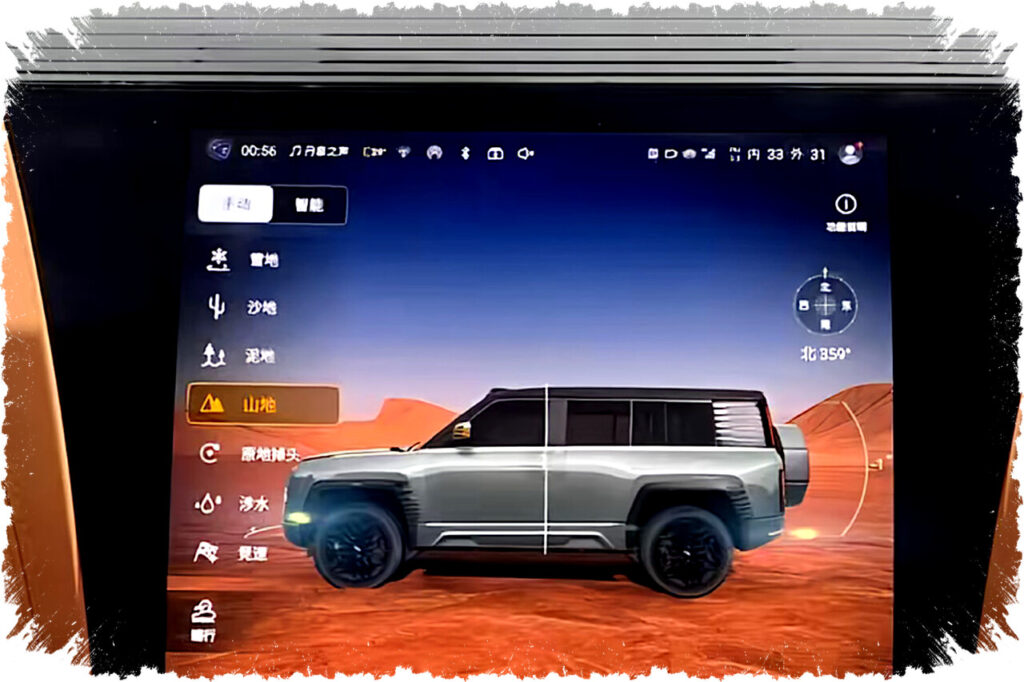
Chinese automobile brands have strategically incorporated advanced technological features into their vehicles, something that traditionally favored Japanese automakers. Features such as touchscreen infotainment systems, smart connectivity, advanced driver-assistance systems, and high-quality interior finishes are now commonly found in Chinese models at price points that remain affordable.
For example, some Chinese models come equipped with digital instrument clusters, Wi-Fi hotspot capabilities, and semi-autonomous driving features, which are typically available only on higher-end Japanese vehicles. This premium-level specification, paired with lower prices, creates strong value propositions for consumers looking for the best deal without compromising on technology.
Aggressive Innovation in Connectivity and Convenience
Beyond hardware specs, Chinese manufacturers actively focus on innovation, particularly in connectivity and user convenience. They prioritize integrating smart technologies that enhance the driving experience. Features like AI-based voice commands, smartphone mirroring, remote vehicle control via apps, and over-the-air software updates are gaining traction.
These innovations cater to Indonesia’s tech-savvy younger audience who value modern car experiences integrated with their digital lifestyles. This ongoing technological evolution positions Chinese cars as attractive alternatives to Japanese vehicles, which, despite their reliability, may appear less dynamic or slower in adopting new digital functionalities.
Marketing and Competitive Strategy in Indonesia
Chinese companies also deploy aggressive marketing and localized strategies to build brand awareness and customer trust in Indonesia. They offer extensive warranty packages and service networks to dispel concerns about after-sales support. Partnerships with local distributors and dealerships make Chinese vehicles more accessible.
Additionally, financing solutions tailored to Indonesian consumers facilitate car ownership, often providing flexible loan terms or down payments. Combined with attractive pricing and tech features, these tactics enhance Chinese brands’ competitiveness against more established Japanese players.
Summary of Key Factors Helping Chinese Cars Compete
- Lower Prices: Chinese cars cost significantly less than comparable Japanese models, forcing buyers to reconsider value versus cost.
- Enhanced Quality: Investments in materials and quality control have substantially raised Chinese vehicles’ durability and reliability.
- Advanced Technology: Inclusion of premium features and smart connectivity appeals to modern consumers.
- Innovative User Experience: Emphasis on digital integration upgrades vehicle desirability among tech-oriented buyers.
- Strong Marketing and After-Sales Support: Warranty offerings and localized services build consumer confidence.
- Competitive Financing: Flexible payment plans facilitate easier access to ownership.
This multifaceted approach allows Chinese automakers to disrupt what was once a near-monopoly held by Japanese companies in Indonesia’s car market. It is important to note that Japanese brands continue to enjoy loyalty due to their proven track records. However, the evolving preferences of Indonesian consumers now weigh affordability, technology, and convenience more heavily.
As Chinese manufacturers continue refining their products and expanding services, the Indonesian automotive landscape is witnessing a significant transformation. This competition ultimately benefits consumers by increasing choices that blend economic practicality with modern car features, reshaping preferences beyond traditional brand loyalties.