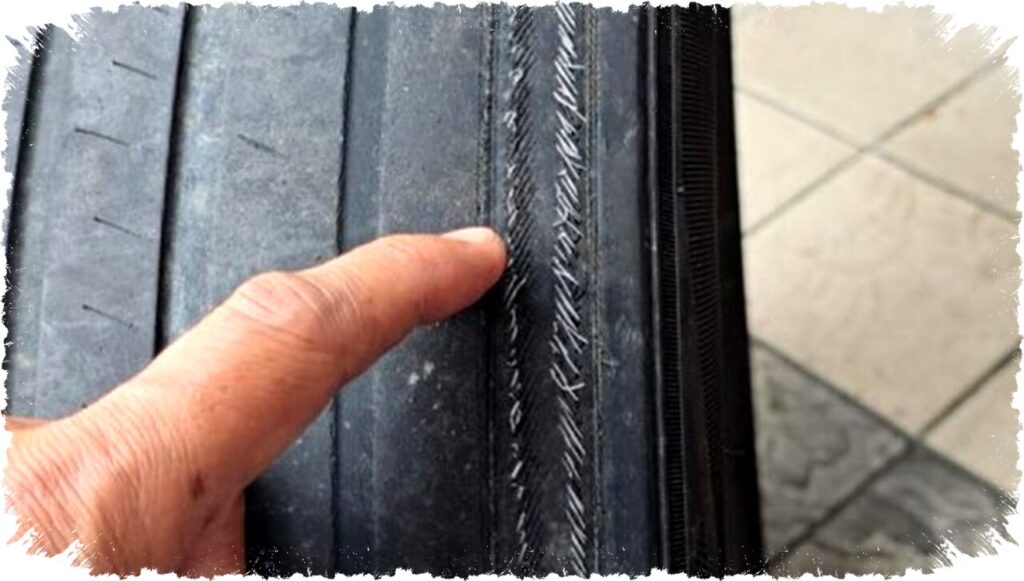
The problem of uneven front tire wear is a common concern for owners of front-wheel-drive (FWD) vehicles. This issue can reduce driving comfort, compromise safety, and increase maintenance costs significantly. However, many drivers remain unaware that this premature tire wear can be prevented through simple yet consistent maintenance practices.
In FWD cars, the front tires carry the heaviest workload. They not only propel the vehicle but also bear the engine’s weight and control steering. Due to this dual function, front tires tend to wear faster than rear ones, and improper care can lead to rapid, uneven wear, especially on one side.
Understanding the Causes of Uneven Front Tire Wear
The main culprit behind one-sided tire wear is misaligned wheel angles. When the wheels are out of alignment, the tires make uneven contact with the road surface, causing either the inner or outer edges to wear prematurely. Experts recommend regular wheel alignment—known as spooring—and balancing to correct this issue.
Professional guidelines suggest performing spooring every 10,000 kilometers (approximately 6,200 miles) or whenever the steering wheel pulls to one side. Maintaining proper alignment reduces uneven friction and extends tire life.
Air pressure is another critical factor influencing tire wear patterns. Underinflated tires tend to wear out on the edges, while overinflated tires experience faster wear in the center tread. Checking tire pressure weekly and matching the manufacturer’s recommended pressure—which is typically listed on the vehicle’s door pillar or in the owner’s manual—can help maintain optimal tire condition.
The Importance of Tire Rotation on FWD Vehicles
Rotating tires in a systematic schedule is essential for FWD cars. Since the front tires perform more work, swapping them with rear tires approximately every 8,000–10,000 kilometers (5,000–6,200 miles) ensures more even tread wear across all tires. This practice can significantly extend the overall lifespan of the tire set.
How Driving Habits Affect Tire Longevity
Aggressive driving behaviors contribute to accelerated tire wear. Abrupt acceleration, hard braking, and sharp cornering place excessive stress on the front tires, accelerating wear on one side. Driving smoothly and anticipating road conditions not only preserves tire health but also enhances fuel efficiency.
Maintaining Suspension and Steering Components
Uneven tire wear can also originate from worn or loose suspension parts. Components such as tie rods, ball joints, bushings, and shock absorbers require periodic inspection and maintenance. Failure in these parts can shift wheel alignment angles, exacerbating one-sided tire wear—even new tires can wear out quickly if the suspension system is compromised.
Avoiding road hazards is equally important. Frequently mounting curbs, striking potholes at high speeds, or running over speed bumps roughly can damage wheels and suspension geometry. Such impacts often result in alignment problems and uneven tire wear patterns.
Summary of Effective Maintenance Tips
- Spooring (Wheel Alignment) and Balancing: Conduct every 10,000 kilometers or if steering feels off.
- Tire Pressure Checks: Inspect weekly to maintain recommended air pressure.
- Tire Rotation: Swap front and rear tires every 8,000–10,000 kilometers.
- Smooth Driving Habits: Avoid sudden acceleration, hard braking, and aggressive cornering.
- Suspension Inspection: Regularly check tie rods, ball joints, bushings, and shock absorbers.
- Road Hazard Awareness: Avoid curbs, potholes, and rough speed bumps where possible.
By following these guidelines, FWD vehicle owners can prevent uneven front tire wear, improve vehicle safety, and reduce long-term maintenance expenses. Tires that wear evenly provide better road grip, contribute to more comfortable rides, and help save money on frequent replacements.
In many cases, addressing uneven tire wear early avoids costly repairs related to suspension damage. Consistent maintenance offers peace of mind and ensures that FWD vehicles remain reliable and economical to operate.