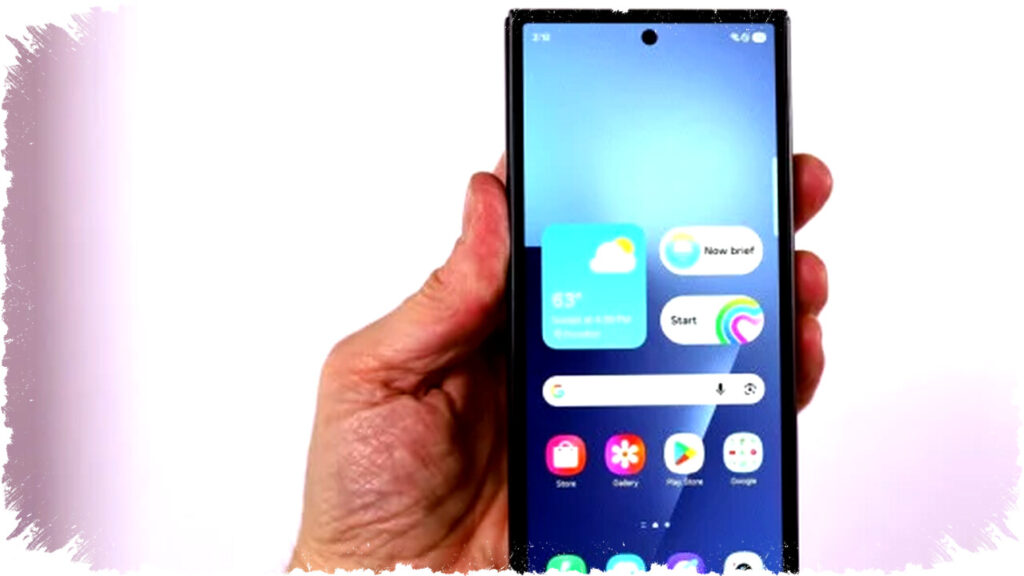
Samsung’s latest device, the Galaxy Z TriFold, sold out within just a few hours after its release. This rapid sellout surprised the tech industry, as the company did not run its usual large-scale pre-order campaigns or offer significant trade-in discounts. Priced at $2,899, the premium foldable showcased a new approach in Samsung’s launch strategy, signaling potential shifts in how upcoming flagship launches like the Galaxy S26 might unfold.
Unlike traditional releases, Samsung adopted what analysts call a “soft-launch” or limited market test for the Galaxy Z TriFold. The phone was announced with minimal publicity and lacked the usual hype-building email reservations and widely available pre-order options. Select consumers were given early access through the Samsung app, indicating a controlled trial rather than a mass-market introduction.
Unpacking the TriFold Launch Strategy
Samsung’s move to debut the Galaxy Z TriFold without the typical extensive promotional campaigns suggests an experimental tactic. Analysts believe the soft-launch was designed to gauge early consumer interest in the innovative tri-fold format at a premium price point. Such a strategy prioritizes brand positioning and technology validation over immediate high volume sales.
This premium device’s swift sales, despite its steep $2,899 price, revealed strong brand loyalty and a niche appetite for cutting-edge foldable technology. Samsung’s choice to forgo substantial trade-in rebates — commonly used to boost initial sales — further highlights confidence in the product’s unique appeal. It also points to Samsung’s strategic testing ground before committing to a wider rollout.
What This Means for the Galaxy S26 Launch
The soft-launch success of the Galaxy Z TriFold provides valuable insights for the imminent Galaxy S26 flagship series debut. Experts predict Samsung will revert to a more conventional marketing and sales model with the S26, including major trade-in offers and broader carrier availability. This approach aims to maximize sales volume and maintain Samsung’s dominance in the premium smartphone market.
Early indicators project the Galaxy S26’s unlocked price to range from approximately $800 to $1,299. Trade-in rebates are expected to be substantial, ranging between $800 and $1,100, especially when bundled with 24- or 36-month carrier contracts. These financial incentives contrast with the TriFold’s minimalist discount strategy and underscore Samsung’s intent to secure widespread consumer adoption.
Key Differences Between TriFold and S26 Strategies
- Launch Type: TriFold was a limited, soft-launch; S26 will likely be a full-scale, global release.
- Promotional Offers: Minimal discounts for TriFold; significant trade-in rebates anticipated for S26.
- Availability: TriFold’s early access was restrictive; S26 will be widely available through multiple carriers.
- Price Point: TriFold targets ultra-premium niche buyers; S26 aims at flagship mainstream purchasers.
Projected Features and Market Impact of Galaxy S26
The Galaxy S26 is expected to introduce upgrades such as new chipsets, enhanced privacy display options, and magnetic wireless charging capabilities. Samsung may face price pressure due to ongoing global shortages in RAM, potentially pushing base prices higher. Despite this, the company will leverage operator partnerships and aggressive trade-in promotions to sustain strong sales momentum.
The Galaxy Z TriFold’s fast sellout demonstrates Samsung’s capacity to captivate early adopters, even without traditional discount support. However, this strategy is unlikely to replace Samsung’s broader flagship rollouts. The upcoming S26 launch will mark the real battleground for mass market share and revenue generation in 2026.
Strategic Takeaways for Samsung’s Flagship Lineup
Samsung’s controlled rollout of the Galaxy Z TriFold acts as a testbed for foldable technology and premium pricing strategy. It highlights consumer willingness to invest heavily when innovation is clear. Meanwhile, the anticipated return to robust promotional campaigns for the Galaxy S26 signals Samsung’s recognition that volume sales remain critical.
Industry watchers will closely follow the S26’s launch window, expected at the end of February 2026, for signs of pricing, trade-in incentives, and carrier collaboration. The ultimate success of Samsung’s flagship strategy will depend on balancing cutting-edge innovation with accessible pricing and strong marketing support.
In summary, the swift sellout of the Galaxy Z TriFold serves as an important market signal. It hints at promising demand for novel foldable formats but also foreshadows Samsung’s continued reliance on proven sales tactics for mass-market flagships like the Galaxy S26. As these two launches illustrate, Samsung is adept at tailoring strategies to specific segments, ensuring its vitality in a rapidly evolving smartphone industry.