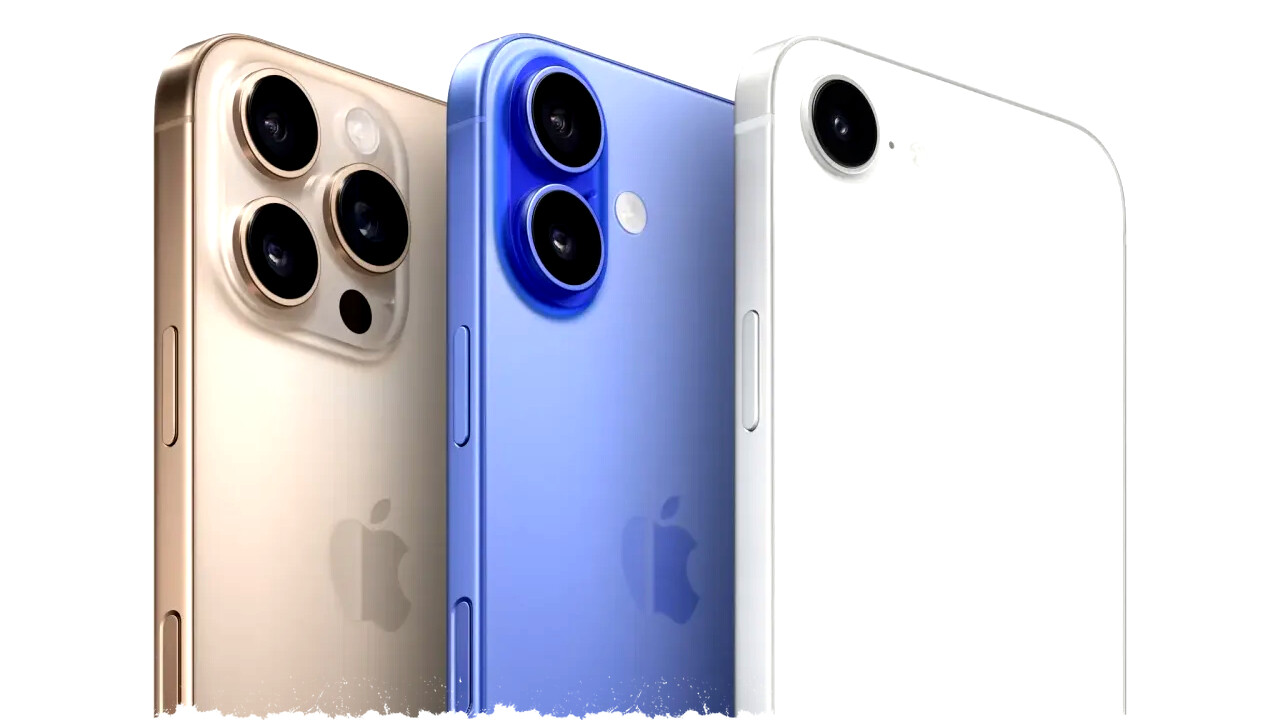
Apple is reportedly shifting its annual iPhone release strategy to tackle the looming global memory crisis in 2026. The company plans to prioritize launching premium iPhone models first to better manage production constraints and maximize profits.
According to a recent report by Nikkei, Apple intends to split the iPhone 18 series launch into two phases. Unlike previous years when all models debuted simultaneously in the fall, the premium lineup will come out in the latter half of 2026. The standard models will follow only in the second half of 2027.
Focus on Premium Models Amid Memory Shortage
The premium iPhone 18 series includes the iPhone 18 Pro, iPhone 18 Pro Max, and Apple’s ambitious first-ever foldable phone, the iPhone Fold. These devices are positioned as Apple’s key revenue drivers during rising production costs and limited component availability.
Apple’s decision aims to optimize manufacturing resources toward devices with higher selling prices, ensuring better margins despite reduced total output. An internal source cited by Nikkei highlighted, “Supply chain smoothness is a major challenge this year. Marketing shifts also influenced prioritizing premium models.”
This strategy reflects the reality that memory chip prices and other critical electronic components have surged sharply due to skyrocketing global demand. The trend relates heavily to increased investment in artificial intelligence (AI), where giants like Nvidia, Google, and Amazon are aggressively purchasing memory for data centers.
Intensified Supplier Coordination
To secure a stable supply chain, Apple has intensified regular meetings with suppliers at its Cupertino headquarters. These gatherings now include a broader array of strategic material and component manufacturers. The goal is to ensure steady production through 2026 despite market volatility.
The urgency is especially high given the complexity of manufacturing the foldable iPhone, which demands advanced flexible materials and intricate assembly processes. Apple aims to prevent disruptions before and after the foldable phone’s launch by concentrating supply efforts on premium devices first.
Delaying Lower-Tier iPhones
Sources reveal that the regular iPhone 18 variant is postponed until 2027’s second half. Meanwhile, rumors about the iPhone Air 2’s release this year have been dampened, suggesting the model may not appear as initially expected.
This calibrated release schedule enables Apple to better allocate scarce resources and reduce the risk of production bottlenecks. It also reflects a strategic pivot, adjusting to a supply chain environment strained by competing sectors’ demands, especially AI technology.
Historical Context and Market Signals
Traditionally, Apple has launched its entire new iPhone lineup in the fall. This seasonal rhythm has created a consumer expectation that Apple now risks altering. Industry analysts, including Ming-Chi Kuo, and media outlets such as The Information and Bloomberg have previously hinted at this probable shift.
If confirmed, 2026 would mark a significant departure in Apple’s product cycle. The company demonstrates increased agility in navigating global supply challenges while maintaining a focus on its premium market segment.
Implications for Consumers and Industry
For iPhone enthusiasts, this change means premium users will receive early access to innovative features and cutting-edge devices. Regular iPhone buyers might face longer waits and fewer immediate options.
Apple’s focus on premium models also underscores how supply chain pressures can reshape even the most established technology companies’ strategies. Growing demand for AI-related components continues to redirect semiconductor production priorities away from consumer electronics.
Summary of Apple’s 2026 iPhone Release Approach
- Split iPhone 18 launch into two phases: premium models in late 2026, regular models in mid-2027.
- Prioritize iPhone 18 Pro, Pro Max, and foldable iPhone as flagship offerings.
- Delay or cancel lower-tier models like iPhone Air 2 for 2026.
- Increase coordination with suppliers to stabilize component supplies.
- Adapt to rising memory prices driven by AI demand.
Apple’s maneuver illustrates how global memory shortages are influencing strategic decisions in the smartphone industry. By emphasizing high-margin, premium devices first, Apple aims to safeguard profitability under constrained production conditions.
The company’s proactive engagement with suppliers and willingness to adjust release timings signal an evolving approach that balances market demand, technology innovation, and supply chain realities. This evolving strategy may set new precedents for how major tech firms handle future component crises and shifting consumer needs.
-

-

-
-