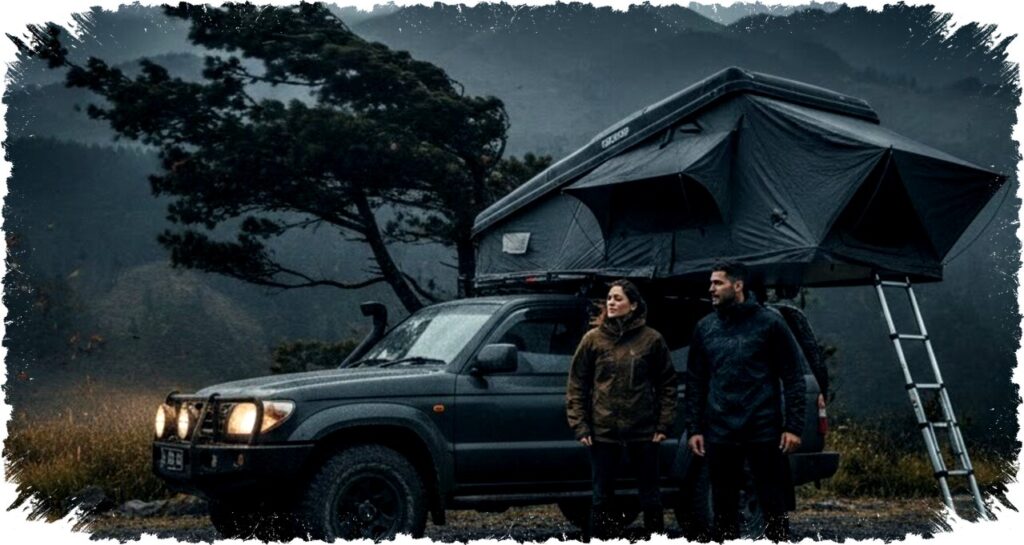
Rooftop tents with hardshell designs are gaining popularity in 2026 for overlanding and self-sufficient camping. They are favored because they offer more safety and convenience compared to traditional fabric tents. The critical question many are asking this year is how well these hardshell tents hold up under extreme weather conditions, specifically strong winds and storms common in mountainous and coastal areas.
This issue is vital since tent failure in severe weather not only disrupts outdoor trips but also poses significant safety risks. Understanding the real capabilities of these tents under challenging weather can help users make informed decisions for their adventures.
Materials and Structural Design
Hardshell rooftop tents typically feature a hard shell made from reinforced ABS plastics, fiberglass, or aluminum alloys. This sturdy and aerodynamic shell design helps distribute wind pressure evenly, reducing stress on any single point. Compared to soft shell tents, this aerodynamic form lowers the chance of structural deformation when hit by constant winds ranging between 40 to 60 km/h (25 to 37 mph), based on various international manufacturer tests and field reports from Southeast Asian overlanding communities.
However, the shell alone is not sufficient to ensure durability during storms. The opening and locking mechanisms also play crucial roles. The latest 2026 models use heavy-duty stainless steel gas struts and multiple steel lock points. These components undergo rigorous testing, including thousands of opening and closing cycles with lateral wind loads, to prevent accidental openings caused by sudden gusts.
Waterproofing and Interior Fabrics
The interiors of these tents use high-quality materials, mostly ripstop polyester fabrics coated with polyurethane (PU). These fabrics meet international waterproofing standards, offering a water resistance rating of up to 3000 mm. This rating matches equipment used in military and expedition gear and ensures that heavy rain combined with horizontal wind-driven water rarely seeps inside the tent.
Proper ventilation management is key during storms. The latest designs incorporate cross-ventilation systems with anti-wind and waterproof covers. These features allow campers to seal the tent securely against rain and wind without causing excessive condensation inside, which can lead to dampness and discomfort during sleep.
Aerodynamics: Low Profiles and Asymmetrical Designs
The shape of the tent when open heavily influences its storm resilience. Models with a low profile relative to wind direction are more stable and experience less wind pressure. Some 2026 rooftop tents adopt an asymmetrical “clamshell” design, lowering the side facing dominant winds. This innovation draws from off-road vehicle aerodynamics and outdoor gear engineering studies, enhancing stability in gusty conditions.
Weight Considerations
Contrary to common belief, heavier tents are not always better. The ideal weight range for hardshell rooftop tents is between 60 to 80 kilograms (132 to 176 lbs). This balance ensures sturdy construction without exceeding the dynamic roof load limits of typical vehicles, which generally range from 75 to 100 kg (165 to 220 lbs) depending on the manufacturer.
Field data from overlanding groups indicate that many tent failures in storms stem from incorrect installation rather than product flaws. Common issues include improperly torqued bolts, non-standard roof racks, and uneven weight distribution. Regional off-road safety associations recommend rechecking the installation after the first 100 km (62 miles) of travel to secure all mounting points correctly.
Practical Tips for Storm-Resistant Setup
- Use factory-approved roof racks: Ensure racks meet vehicle and tent load specifications.
- Torque bolts to manufacturer standards: Use a torque wrench for proper tightening.
- Distribute weight evenly: Balance gear inside the tent evenly on the platform.
- Close ventilation during storms: Seal vents fully to block water and wind ingress.
- Regular maintenance checks: Inspect locks and gas struts for wear or damage.
Price vs. Protection
Rooftop tents with strong storm resistance command premium prices, often exceeding $1,000. While the cost is significant, many campers view it as a justified investment for safety and durability. Market surveys across the Asia-Pacific region show increased sales of premium hardshell tents in areas prone to severe weather. This trend reflects growing user confidence in features that prioritize structural integrity and weather protection.
Summary of Key Features for Storm-Resistant Hardshell Tents
| Feature | Description |
|---|---|
| Hard Shell Material | Reinforced ABS, fiberglass, or aluminum alloy |
| Wind Resistance | Stable up to 40-60 km/h (25-37 mph) winds |
| Locking Mechanism | Heavy-duty steel locks with stainless gas struts |
| Waterproof Rating | PU-coated ripstop fabric with 3000 mm water resistance |
| Aerodynamic Profile | Low, asymmetrical clamshell design for better wind deflection |
| Ideal Weight | 60 to 80 kg (132 to 176 lbs) balancing strength and roof safety |
| Installation Best Practices | Factory roof racks, correct bolt torque, and weight distribution |
| Ventilation System | Cross-ventilation with anti-wind and waterproof covers |
By focusing on these technical specifications and following installation protocols, users can select a rooftop tent that genuinely withstands harsh weather conditions. Awareness of these factors helps separate marketing claims from real-world performance, providing both safety and peace of mind during tough outdoor conditions.
This comprehensive approach is crucial as extreme weather events become more unpredictable. For overlanders and outdoor enthusiasts, choosing the right rooftop tent hardshell in 2026 means looking beyond brand names and prices toward tested construction, aerodynamic design, and installation accuracy.