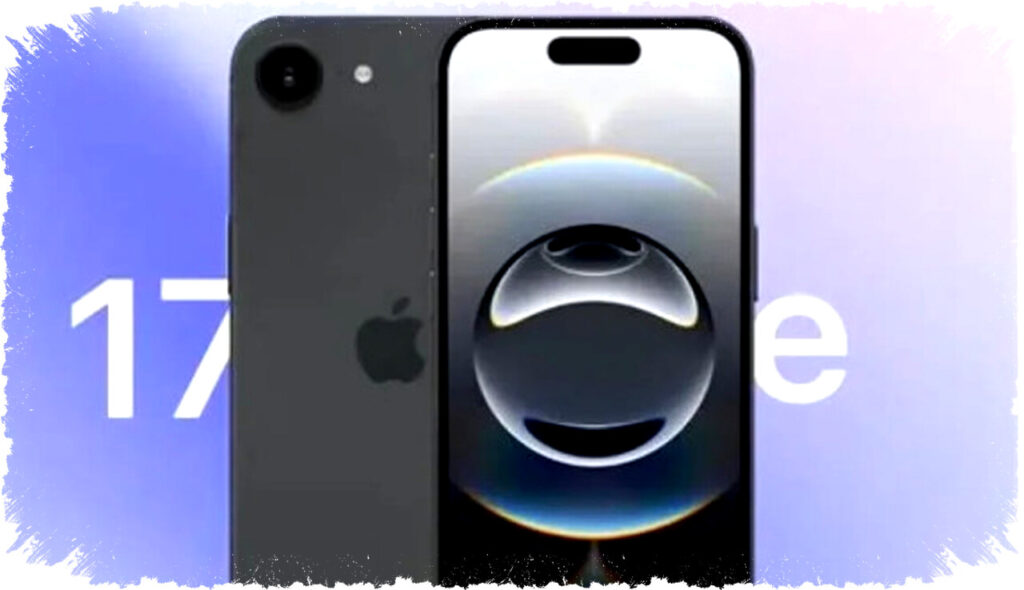
Apple is set to launch the iPhone 17e on February 19, 2026, marking a new chapter for its budget-friendly lineup. This model brings powerful internals combined with some notable compromises, creating a distinctive blend that challenges conventional expectations for mid-range smartphones.
The core appeal of the iPhone 17e lies in its flagship-grade performance delivered through the latest A19 chipset. Paired with 8GB of RAM, this device supports Apple Intelligence 2.0, enabling smooth on-device AI processing for tasks like generative text and image synthesis. This capability places the 17e well ahead of competing mid-range phones in computational power.
Flagship Performance Meets Affordability
The integration of the A19 chip in a budget-series iPhone is an unprecedented move by Apple. It ensures users benefit from cutting-edge AI features without upgrading to pricier Pro models. Benchmark analyses from trusted tech sources confirm the device handles intensive workloads and multitasking with minimal lag, rivalling higher-end offerings.
Additionally, Apple reinstates the MagSafe feature with up to 25W wireless charging. After its absence in the previous 16e series, MagSafe’s return provides access to a rich ecosystem of accessories like wallets and stands, enhancing user convenience. This also reflects Apple’s strategy to unify experiences across all its product tiers.
Next-Gen Connectivity
Another strength is the robust networking hardware bundled with the iPhone 17e. It equips the modem C1X and N1 chip, supporting 5G connectivity designed for better power efficiency. The device also features Wi-Fi 7 and Bluetooth 6.0, promising fast data transfer speeds and minimal latency for years to come. Such future-proof connectivity aligns with Apple’s aim for longevity and relevance well beyond 2026.
Display and Design: A Notable Stagnation
Despite its internal leaps, the iPhone 17e holds back in the display department. The screen refresh rate remains capped at 60Hz, a standard that Android competitors have long surpassed with 90Hz or 120Hz panels in similar price ranges (~$500-$600). This lower refresh rate could result in less fluid animations and a less responsive touch experience, which might disappoint users accustomed to smooth scrolling.
Design-wise, Apple maintains the traditional notch rather than adopting the Dynamic Island, widely appreciated on higher-end models. This choice, coupled with only a slight reduction in bezel thickness, renders the iPhone 17e visually dated. In a market where aesthetics influence purchasing decisions, this could limit appeal to style-conscious consumers.
Camera: Minimalist Yet Limited
Photography capabilities of the iPhone 17e are somewhat conservative. It sticks to a single 48MP main sensor, which delivers sharp and well-processed photos thanks to Apple’s software optimization. However, the absence of an ultra-wide lens reduces versatility, eliminating the option for wide-angle shots favored in landscape or architectural photography.
The front camera sees an upgrade to an 18MP sensor equipped with Center Stage technology. This feature dynamically adjusts framing during video calls, improving user experience in virtual communications—a welcome improvement fitting the hybrid working era.
Summary of iPhone 17e’s Strengths and Weaknesses
| Pros | Cons |
|---|---|
| Latest A19 chipset supporting full AI 2.0 | 60Hz display refresh rate |
| MagSafe with 25W wireless charging | Traditional notch design |
| Advanced modem C1X enabling 5G + Wi-Fi7 | Single rear camera setup |
| 18MP front camera with Center Stage | Limited wired charging speed (25W) |
The iPhone 17e clearly prioritizes performance and connectivity while cutting corners on display tech and photographic versatility. This makes it a compelling choice for users seeking a powerful AI-capable phone within a budget, but those desiring a more immersive display or diverse camera options might look elsewhere.
Taking into account current market trends, the iPhone 17e emerges as a device that balances innovation and cost-efficiency. It pushes forward Apple’s AI ambitions but leans on legacy design elements, creating a device that’s both a technological marvel for mid-range and a nod to tradition. This positioning stimulates a thought-provoking question: is the iPhone 17e the new king of the mid-tier segment, or simply a nostalgic throwback wrapped in high-end hardware?
Understanding these nuances can guide buyers in making informed decisions, especially amid fierce competition from Android devices offering higher refresh rates and more versatile cameras at similar price points. Apple’s gamble with the 17e highlights an interesting approach—elevating internal performance substantially while holding onto familiar aesthetic and feature setups.
The effectiveness of this strategy will become apparent as user reviews and sales data accumulate post-launch. For now, iPhone 17e offers a unique proposition that blends cutting-edge AI prowess with a classic form factor, aiming to redefine what a mid-range iPhone can achieve.