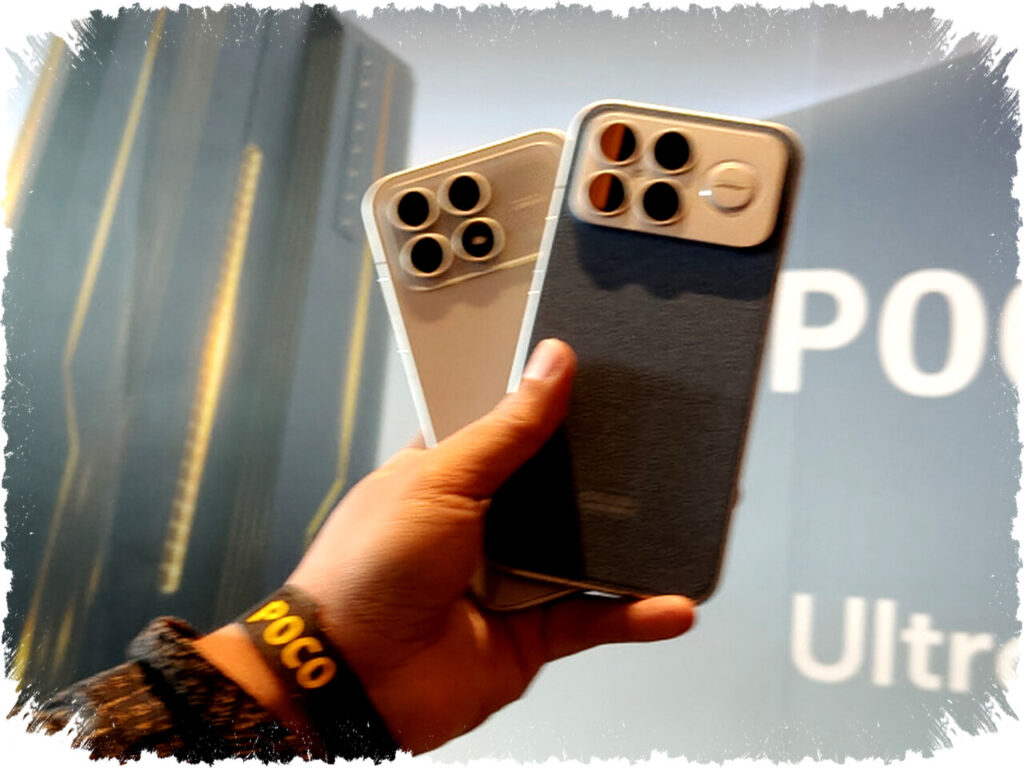
Poco has officially decided not to bring the Poco F8 Basic model to the Indonesian market. Despite its global release earlier in 2026, only the Poco F8 Pro and Poco F8 Ultra variants were launched in Indonesia on February 4, 2026. This decision was made after evaluating local market readiness, regulatory compliance, and the brand’s product portfolio strategy.
Internal sources from Poco clarify that the absence of Poco F8 Basic in Indonesia is not mainly due to technical issues. Instead, it stems from strategic business considerations and efforts to differentiate product offerings within the increasingly competitive mid-range smartphone segment. Poco still regards Indonesia as an important market, but it does not automatically release every global variant locally.
Strategic Focus in Indonesia’s Competitive Market
Poco targets young consumers who seek an optimal balance between performance and price. However, for Indonesia, the brand applies a more focused product strategy compared to other regions. It prioritizes offering higher-spec models that better align with local consumer preferences and expectations. The Basic variant’s specifications are seen as overlapping with other Poco products and even Xiaomi’s portfolio, which could cause internal product cannibalization.
The Indonesian smartphone market has unique characteristics where buyers pay close attention to detailed specifications. Key factors influencing purchase decisions include chipsets, camera quality, and battery capacity. Devices with “mid-tier” specs often face challenges maintaining competitiveness despite lower pricing. This makes Poco choose to spotlight the F8 series as a high-performance lineup rather than a budget alternative.
Regulatory Compliance and Certification Costs
One major element impacting Poco’s model selection is compliance with Indonesia’s regulatory framework, particularly the Domestic Component Level (Tingkat Komponen Dalam Negeri, TKDN) requirements. Every smartphone entering Indonesia must undergo several steps:
- TKDN certification from the Ministry of Industry
- Postel testing by the Ministry of Communication and Digital
- Software and network adjustments to meet local operator standards
The certification and adaptation costs for the Poco F8 Basic likely don’t justify the expected sales volume in Indonesia. For Poco, achieving production and sales efficiency is critical. Therefore, releasing only models with a promising market scale helps maintain cost-effectiveness.
Crowded Mid-Range Segment
The mid-range and lower-mid-range smartphone segment in Indonesia is saturated with numerous options. Brands such as Redmi, Infinix, and Realme already provide many competing models at similar price points. According to Poco, introducing the F8 Basic could blur the series’ market positioning. The Basic model risks reducing differentiation between Poco’s own product lines like Poco X or Poco M, complicating value communication to buyers.
Poco’s strategy leans towards reinforcing the F series as a performance flagship lineup rather than a cheap alternative. This clear positioning helps avoid internal brand competition and better guides consumer perception.
Global vs. Local Strategy Differences
Globally, the Poco F8 Basic targets countries with different market dynamics:
- Unequal adoption of 5G technology
- Higher price sensitivity among consumers
- More lenient device regulations
Indonesia presents a distinct challenge with a combination of stricter regulatory demands and comparatively higher consumer expectations on specifications—even for mid-tier phones. As a result, Poco’s global product strategy does not always translate directly to Indonesia without localized adjustments.
This selective market approach aligns with practices seen in other global smartphone brands that filter available variants to maintain operational efficiency and consistent brand reputation.
Implications for Indonesian Consumers
The absence of Poco F8 Basic in Indonesia may disappoint consumers looking for a more affordable option in the F8 family. However, this focus on higher specification models has some potential benefits:
- Consumers receive more relevant products tailored to their needs.
- Fragmentation in Poco’s product lineup is minimized.
- After-sales support and firmware updates can be managed more efficiently.
Poco emphasizes that excluding one model does not reduce its commitment to the Indonesian market. On the contrary, the company aims to deliver products carefully suited to local user demands.
Looking Ahead: Poco’s Portfolio Direction in Indonesia
Poco’s decision reflects a broader plan for strengthening its product portfolio. Going forward, the brand is expected to:
- Bolster the F and X series as core product pillars.
- Avoid excessive variants with overlapping specifications.
- Apply selective adaptation of global models to meet Indonesian market needs.
This method follows current industry trends, where smartphone manufacturers streamline their model lineup to improve supply chain efficiency and deliver a consistent user experience.
In conclusion, Poco’s choice to omit the F8 Basic from the Indonesian market is influenced by a mix of market strategy, regulatory compliance, and the highly competitive smartphone landscape. The company prioritizes models with higher specifications to maintain a clear brand identity and meet rising local consumer expectations. This approach allows Poco to optimize resources, comply with TKDN and other certifications, and offer products with strong market appeal in Indonesia’s dynamic smartphone ecosystem.