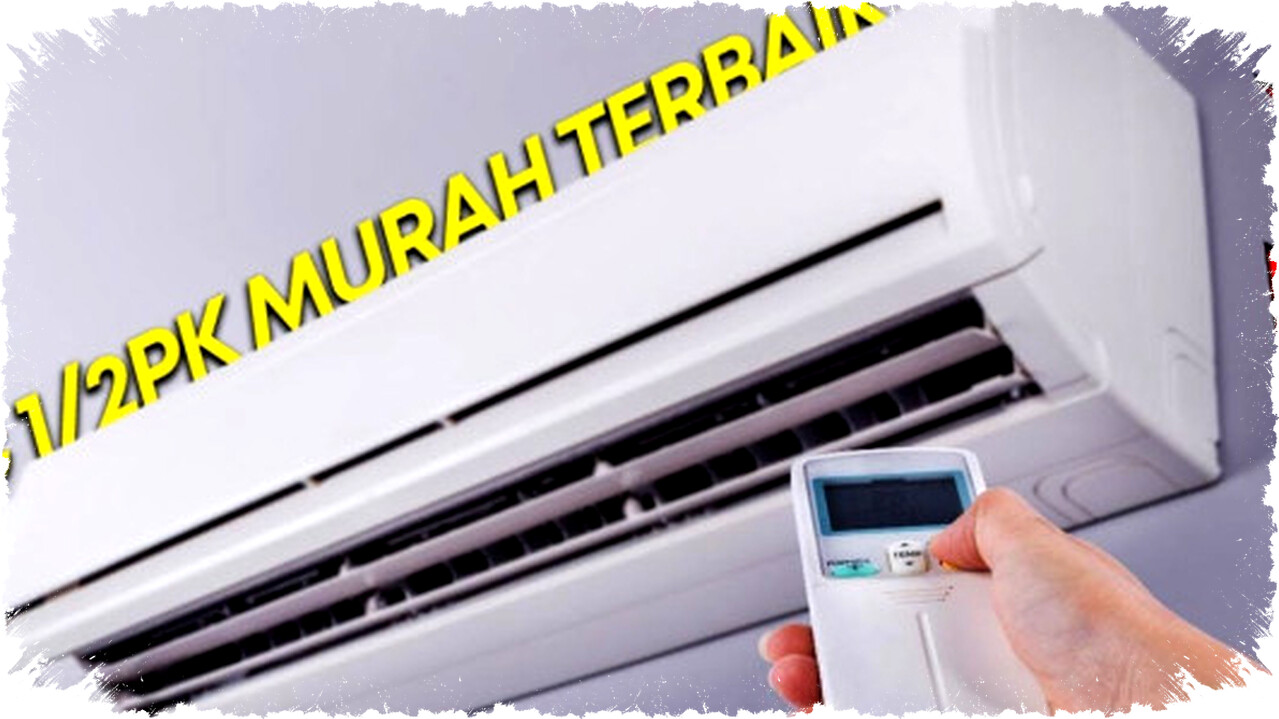
Portable air conditioners (AC) have become a top choice for cooling needs in 2026. These devices combine energy efficiency with mobility and practicality, suiting modern lifestyles. Many consumers look for units that deliver fast cooling while consuming minimal electricity. This article explores some of the best portable AC recommendations for 2026 that meet these criteria.
Advantages of Portable AC Units
Portable ACs do not require permanent installation. They can be easily moved between rooms or taken outside when needed. This flexibility particularly appeals to renters or those who dislike complicated setups. Most models use standard power outlets and have exhaust hoses directing hot air outside through windows or vents. Their compact design also saves living space while providing immediate cooling comfort.

Energy efficiency is a key factor in choosing portable ACs. Models featuring inverter technology adjust compressor speed to reduce power consumption significantly. According to a 2026 industry report, using an inverter portable AC can cut electricity bills by up to 30% compared to traditional units. The latest devices often incorporate eco-friendly refrigerants that minimize environmental impact as well.
Top Portable AC Recommendations for 2026
-
Midea Portable AC with Fast Cooling Technology
Midea’s portable air conditioner offers rapid temperature drops thanks to its powerful cooling system. It includes a multi-stage air filter that improves indoor air quality. The unit’s design emphasizes portability, requiring no complex installation. Users report satisfaction with its quiet operation and energy-saving modes. Priced around $280, Midea balances performance and affordability for household use. -
Coolzy Pro — Compact and Energy-Savvy
Coolzy Pro stands out for its micro-cooling concept ideal for small rooms or office spaces. It consumes very low power and provides flexible cooling without exhausting too much electricity. Reviews highlight its ease of use and lightweight build, making it a practical choice for frequent relocation. The price point hovers near $200, providing good value for minimalist yet effective cooling. - Panasonic XPU Inverter Portable AC
This Panasonic model integrates Blue Fin coating technology on its evaporator and condenser, enhancing durability and resistance to corrosion—a vital feature for tropical climates. Its inverter compressor significantly reduces energy consumption, with savings about $0.30 daily (~$9 monthly) based on average usage. Additional features include Nano X air purifier functions that help maintain healthier indoor air. Costing approximately $350, it offers a robust long-term cooling solution.
Energy-Saving Tips for Using Portable ACs
Using a portable AC efficiently extends beyond selecting an energy-saving model.
- Set the thermostat wisely; 24–26°C (75–79°F) balances comfort and electricity use.
- Close windows and doors to prevent cooled air from escaping.
- Use fans to enhance airflow and distribute cool air better.
- Regularly clean air filters to ensure optimal unit performance and reduced energy strain.
Maintenance and Practical Use
Portability allows easy placement in shaded or ventilated areas, protecting units from direct sunlight exposure that can reduce efficiency. Proper drainage of condensate water is essential to avoid mold and maintain device longevity. Most modern portable ACs feature self-evaporating systems, reducing the need for manual water emptying.
Emerging Trends in Portable AC Technology
In 2026, portable ACs are incorporating smart home compatibility. Voice control integration with assistants like Alexa or Google Assistant enhances usability. AI-powered sensors detect room occupancy and adjust cooling automatically to maximize energy savings. Some models now combine cooling with air purification and dehumidification, delivering multi-functional benefits in compact designs.
Choosing the Right Portable AC for Your Needs
Consider room size and typical climate conditions when selecting a unit. Higher BTU capacities suit larger or more sun-exposed spaces. Also, check noise levels if the AC will operate during sleep hours. Portable models rated below 60 decibels usually provide quieter experiences. Battery backup or low voltage operation options can be useful in areas with unstable power supply.
Summary Table of Portable AC Recommendations 2026
| Model | Approximate Price (USD) | Key Features | Ideal Use Case |
|---|---|---|---|
| Midea Portable AC | $280 | Fast cooling, multi-stage filters | General household use |
| Coolzy Pro | $200 | Micro-cooling, ultra-low power | Small rooms, offices |
| Panasonic XPU Inverter | $350 | Blue Fin coating, air purification | Tropical climates |
These portable ACs reflect current market trends emphasizing energy savings, ease of use, and mobility. As more consumers prioritize sustainability alongside comfort, manufacturers continue innovating to meet these demands.
By considering features such as inverter technology, air filtration, and smart controls, users can find portable air conditioners that provide relief effectively and economically. With proper utilization and maintenance, these devices offer practical cooling solutions across diverse living environments in 2026.