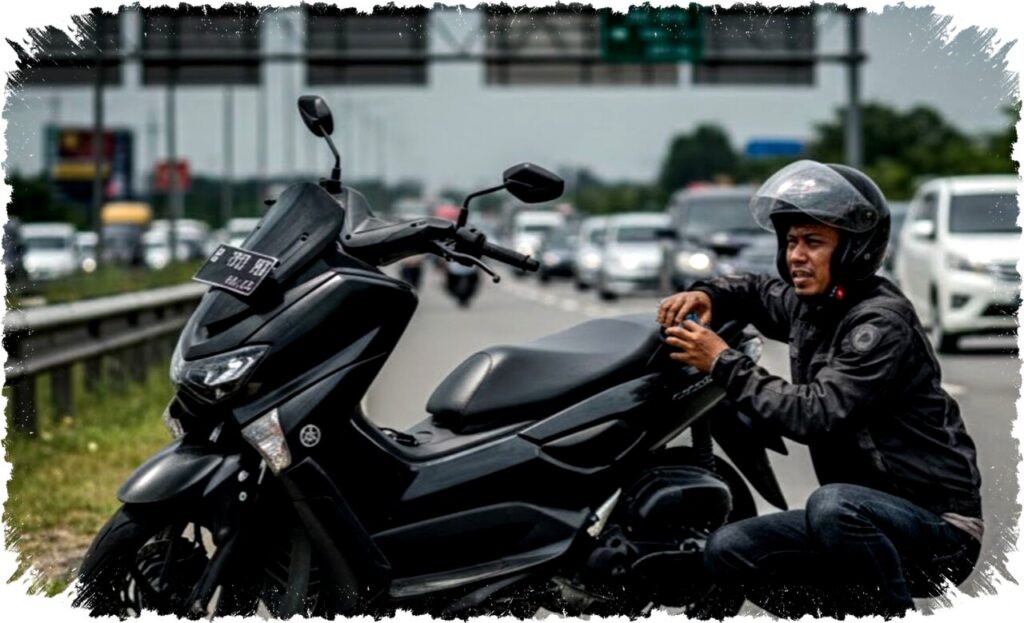
Traveling long distances with an automatic motorcycle on the Pantura route during the 2026 homecoming season demands a vehicle in top condition. Many breakdowns happen not because of the motorcycle’s age but due to rushed or improper maintenance right before departure. Conducting a thorough service two weeks prior to traveling is recommended to allow time for follow-up repairs if needed.
Start your preparatory service by checking and replacing the engine oil. Old or depleted oil can overheat quickly during long rides with frequent stops common on the Pantura highway. According to manufacturer guidelines and certified workshops, engine oil should be changed at least 500 kilometers before the trip to maintain optimal lubrication and stable engine temperature under heavy use.
Next, focus on the Continuously Variable Transmission (CVT), a frequent cause of automatic motorcycle failures during extended travel. Inspect the CVT housing for cleanliness and check critical components like the V-belt, rollers, and dual clutch pad. V-belts suffering from cracks or thinning are prone to breaking under excessive heat, which is common during long rides. Technical experts at authorized service centers advise that V-belts typically last between 20,000 and 25,000 kilometers; therefore, replacing them before the trip is safer if mileage approaches this limit.
Cooling system maintenance is crucial, especially for liquid-cooled automatic motorcycles. The radiator coolant should be checked for level and clarity, with replacement necessary if it appears murky. Also, examine the radiator fan and hoses to prevent blockages that can lead to overheating. Even minor overheating problems can escalate to engine failure when continuously riding through the hot Pantura weather.
Electrical system checks are also vital before departure. Ensure the battery is fully charged and performing well, as a weak battery can cause starting difficulties after stops at rest areas or traffic lights. Batteries older than two years should be tested or replaced ahead of a long journey. Additionally, verify that front and rear lights and turn signals function correctly, since optimal visibility is essential during night riding on busy roads.
Fuel system maintenance should not be overlooked. Air filters must be cleaned or replaced to guarantee proper airflow to the engine. Throttle body or carburetor cleaning improves throttle response and fuel efficiency. Workshop experience shows that clogged air filters often cause engine sputtering during extended rides, which many riders do not anticipate.
Brake and tire inspections are critical final steps often neglected by riders. Check the thickness of front and rear brake pads, as Pantura’s heavy traffic requires frequent and effective braking. Tires should be inspected not only for tread depth but also for cracks or signs of aging, which increase the risk of punctures or blowouts in hot conditions. Adjust tire pressure according to the expected load during the homecoming trip to enhance riding stability.
After completing all the above steps, it is advisable to use the motorcycle daily for several days. This helps identify any unusual noises, vibrations, or warning indicators that may indicate remaining issues. This two-week service window allows time for further repairs or adjustments, which is far safer than quick fixes done immediately before departure that often lead to roadside breakdowns.
The key to preparing an automatic motorcycle for the 2026 homecoming journey is proper timing and sequence of maintenance tasks, rather than costly or complicated repairs. This phased approach reduces the risk of mechanical failures on the Pantura route and helps ensure a smooth, drama-free travel experience. Taking these precautions means riders can focus on the journey itself rather than unexpected repairs along the way.