Samsung’s Galaxy S26 series recently passed certification by the Wireless Power Consortium (WPC) with full support for the latest Qi 2.2.1 wireless charging standard. This confirmation covers all three models: Galaxy S26, Galaxy S26+, and Galaxy S26 Ultra. Despite adopting the updated charging protocol, a surprising detail emerged—none of these devices include built-in magnets.
The absence of internal magnets breaks away from a now-common Qi 2.2.1 feature known as the Magnetic Power Profile (MPP). Instead, Samsung’s Galaxy S26 lineup relies solely on the Base Power Profile (BPP). This means the phones do not have the integrated magnetic ring that magnetically aligns chargers and accessories on the device’s back. Users will notice that magnetic chargers or power banks will not snap into place automatically.
What Does This Mean for Wireless Charging?
By foregoing magnetic integration, Samsung shifts the alignment responsibility away from the device itself. While this may affect convenience, charging speed remains competitive. The Galaxy S26 Ultra is reported to support wireless charging speeds up to 25W, the fastest in Samsung’s S-series history. Meanwhile, the standard Galaxy S26 and S26+ models are expected to achieve up to 20W of wireless charging power.
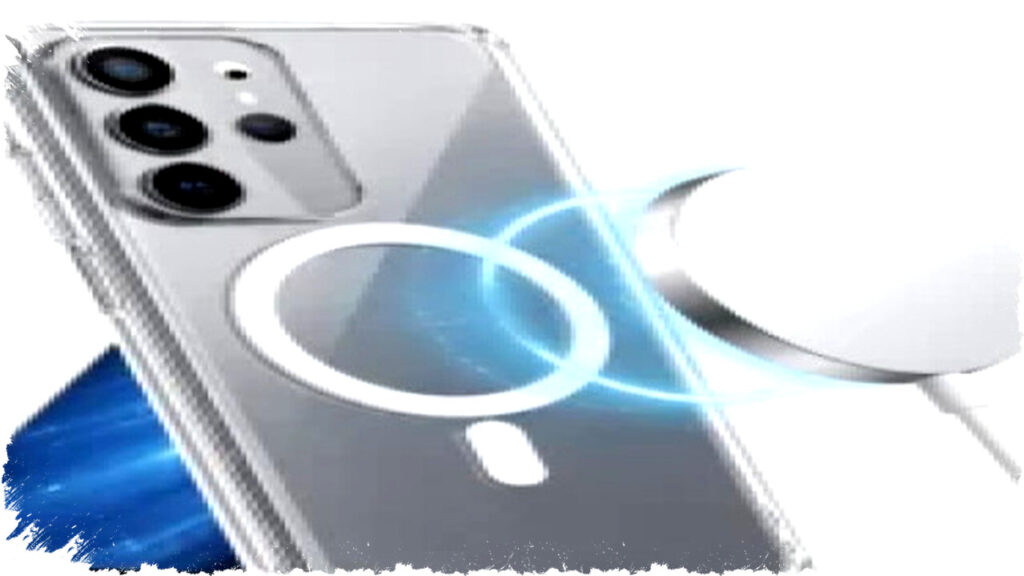
The magnetic feature, common among competitors, helps improve charging stability and efficiency by ensuring the charger is correctly positioned. Without internal magnets, Samsung users will need to supplement with third-party or official magnetic cases to achieve proper alignment and full Qi 2.2.1 magnetic functionality.
Samsung’s Strategic Choice: Why No Magnet?
This design choice likely reflects a strategic balance between internal device design, user flexibility, and production cost. By avoiding magnets embedded inside the phone, Samsung possibly reduces manufacturing complexity and can keep the internal design more compact and minimalistic. It may also prevent interference with other components or accessories.
However, the trade-off is that users must now purchase magnetic cases separately if they want the authentic Qi2 magnetic alignment experience. Samsung appears to lean heavily into building an ecosystem of accessories that supports their new charging protocol, including dedicated magnetic cases and a newly developed wireless charging puck designed specifically for the S26 series.
Key Points to Understand About Galaxy S26 Qi 2.2.1 Certification:
- All Galaxy S26 models support Qi 2.2.1 wireless charging.
- None have internal magnets, differing from the Magnetic Power Profile feature.
- Wireless charging speeds top out at 25W for the Ultra model.
- Users need magnetic cases to enable full magnetic alignment and adhesion with compatible chargers.
- Samsung is launching new Qi 2.2.1 magnetic accessories tailored for these models.
Implications for Consumers
Consumers who expect a seamless magnetic charging experience similar to other Qi 2.2.1 devices may find the Galaxy S26’s approach unusual. The magnetic charging convenience is no longer intrinsic but requires extra accessories. This means additional cost and effort for users wanting optimal wireless charging without manual alignment.
That said, Samsung’s focus remains on delivering fast wireless charging speeds that compete with or surpass rivals. The absence of internal magnets does not reduce raw charging performance but does shift some convenience features to optional add-ons.
Charging Ecosystem Under Samsung’s Control
By decoupling magnets from the phone, Samsung effectively controls the wireless charging accessory market for the S26. Users who want tethered magnetic charging must invest in Samsung’s official magnetic cases or trusted third-party alternatives. This likely encourages accessory sales while allowing Samsung to refine device internals without structural compromises.
This approach demonstrates a modern hardware trend where device makers modularize features by offering some as optional accessories rather than fixed components. It also shows how companies like Samsung manage cost, design, and functionality trade-offs within new technological standards like Qi 2.2.1.
Looking Ahead
Samsung is expected to release its new Qi 2.2.1 compatible wireless charging puck shortly. This accessory will presumably utilize magnetic alignment but requires users to pair it with compatible magnetic phone cases. Together, these will unlock the full benefits of the updated wireless charging standard on the Galaxy S26.
Users interested in maximizing their Galaxy S26 wireless charging experience should monitor Samsung’s accessory lineup. Purchasing the right magnetic case will be essential for ensuring chargers attach securely and deliver power efficiently. Without this, the devices will still charge wirelessly but lack the magnetic snap-to-fit convenience popularized by other brands.
In summary, the Galaxy S26 lineup embraces the latest Qi 2.2.1 charging advances but with a unique approach. Samsung prioritizes speed and internal design flexibility over integrated magnets. This places some responsibility for magnetic charging convenience on users through external accessories. As the industry adapts to new wireless charging protocols, the Galaxy S26 series highlights an innovative balance of performance, design, and modularity.