


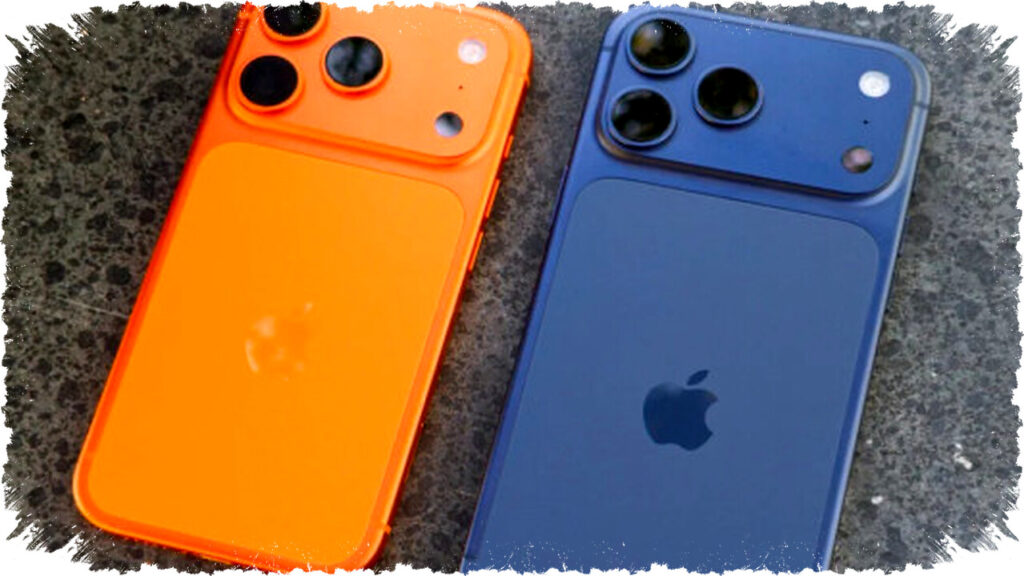
Apple’s iPhone 18 Pro Max is expected to deliver a substantial boost in battery capacity, with rumors pointing to a size between 5,100 and 5,200 mAh for the international model. This increase marks a notable jump from the iPhone 17 Pro Max, which holds a 4,823 mAh battery for the physical SIM variant and 5,088 mAh for the eSIM-only version. Such a move intensifies competition in the flagship smartphone market, especially against Samsung’s upcoming Galaxy S26 Ultra.
Recent leaks from trusted tipsters have shed new light on Apple’s strategy to enhance not only battery size but also overall power efficiency. The international release is anticipated to feature a larger battery than the domestic Chinese version, which is expected to settle at around 5,000 mAh. This differentiation likely results from variations in hardware design, like the presence or absence of a physical SIM slot that impacts internal space allocation.
Battery Capacity and Market Variants
Apple routinely customizes its hardware for different regional markets. The Chinese iPhone 18 Pro Max, for instance, may come equipped with a 5,000 mAh battery. However, the global model aims higher, flirting with a capacity range of 5,100 to 5,200 mAh. The upgrade is significant, considering the pressures flagship phones face to deliver all-day battery life despite increasing demands from advanced displays and multitasking use.
The difference in battery capacity among variants typically hinges on engineering trade-offs involving space and thermal management. Apple’s choice to push a higher-capacity battery internationally signals its commitment to addressing these challenges more aggressively outside China.
Implications for Samsung Galaxy S26 Ultra
This battery growth spurs a real challenge to Samsung’s Galaxy S26 Ultra, rumored to maintain a 5,000 mAh battery similar to the Galaxy S20 Ultra from six years ago. While on paper Samsung’s battery size looks competitive, the real battle lies in system efficiency and power management, areas where Apple’s tight hardware-software integration excels.
Samsung is expected to power its flagship with Qualcomm’s Snapdragon 8 Elite Gen 5 chipset using a 3nm manufacturing process. Meanwhile, the iPhone 18 Pro Max looks poised to leverage the A20 Pro chip built on an even more advanced 2nm architecture. This leap in semiconductor technology is poised to deliver significant energy savings and performance improvements.
Chipset Efficiency and Software Optimization
The A20 Pro’s 2nm process theoretically offers better power efficiency and thermal management than Samsung’s 3nm Snapdragon 8 Elite Gen 5. Apple combines this hardware edge with iOS optimizations that finely tune battery consumption based on workload and app behavior. This holistic approach consistently enables iPhones to outperform Android rivals in real-world endurance tests.
Samsung’s persistence with a 5,000 mAh battery may suffice in terms of raw capacity, but it faces the uphill task of matching Apple’s efficiency gains. The Galaxy S26 Ultra must compensate not just through raw capacity but via innovations in chipset efficiency and software battery management, which remain challenging given Android’s more fragmented ecosystem.
Why Battery Capacity Alone Isn’t Enough
It is worth noting that several Android smartphones have already pushed past 6,000 mAh, and some even reach 7,000 mAh. However, larger capacity alone does not guarantee longer battery life. Apple’s strategy shows that integrated power management, optimized chipsets, and operating system refinements contribute more to real endurance than capacity numbers alone.
Industry analyst Digital Chat Station highlights this trend, suggesting the forthcoming iPhone 18 Pro Max will set a new benchmark for battery life. Apple is not just increasing capacity; it is redefining how power is conserved and consumed. This approach may widen the gap over Samsung’s Galaxy S26 Ultra and other Android devices relying on brute force battery size.
Strategic Impact on Flagship Smartphone Competition
The rivalry between Apple and Samsung has long been a cornerstone of flagship smartphone innovation. With the iPhone 18 Pro Max’s rumored battery enhancements combined with the A20 Pro chip’s efficiency, Apple is positioning itself as the leader in power endurance in 2026.
Samsung’s Galaxy S26 Ultra faces pressure to innovate beyond battery size and chipset design. It must find ways to optimize software and hardware synergy similar to Apple’s tightly controlled ecosystem to close the gap. Otherwise, the 5,000 mAh battery, while competitive on paper, may lag behind in practical daily use.
Key Points Summary
- iPhone 18 Pro Max battery capacity expected at 5,100–5,200 mAh internationally.
- Chinese variant likely to have 5,000 mAh battery capacity.
- Galaxy S26 Ultra rumored to retain a 5,000 mAh battery.
- Apple’s A20 Pro chip built on a 2nm process offers superior power efficiency.
- Samsung Galaxy S26 Ultra’s Snapdragon 8 Elite Gen 5 built on 3nm process.
- Software and chipset optimization critical in real-world battery endurance.
The coming months will reveal how these specifications translate into user experience. Apple’s aggressive battery increase combined with state-of-the-art silicon and iOS optimization could deliver superior stamina in everyday use. Meanwhile, Samsung must leverage innovation to ensure its Galaxy S26 Ultra remains competitive in both performance and battery life.
Power management technology continues to be the decisive battleground for flagship smartphones. Apple’s iPhone 18 Pro Max appears ready to raise the bar significantly, offering a concrete challenge to Samsung’s flagship ambitions in 2026.