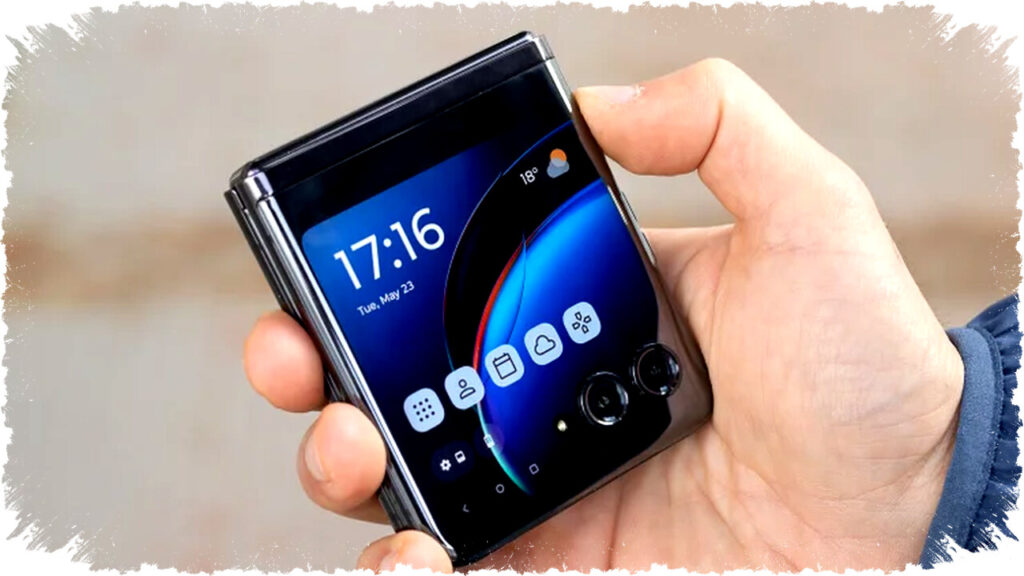
Motorola and Google heighten competition in the foldable smartphone segment with the launch of the Motorola Razr Fold and Google Pixel 11 Pro Fold. These two Android foldables target global markets in 2026, offering distinct approaches in design, performance, and camera capabilities.
Both devices feature a "book-style" fold, but they differ in screen sizes and hardware focus. Motorola’s Razr Fold represents the brand’s first foldable in this style beyond its signature clamshell design. Meanwhile, the Pixel 11 Pro Fold continues Google’s effort to enhance foldable tech with deep Android integration.
Display and Design
The Razr Fold boasts a larger main OLED display at approximately 8.09 inches, with a wider external screen measuring about 6.56 inches. In contrast, the Pixel 11 Pro Fold offers a slightly smaller 8.0-inch internal screen and a 6.4-inch external display. Motorola’s larger screens provide users increased workspace and improved media viewing when unfolded.
Motorola also embraces its legacy design by offering exclusive color options and hints at stylus support on select editions, catering to productivity users. Google’s Pixel 11 Pro Fold, on the other hand, emphasizes a clean, pure Android experience with software tailored for foldable screens, leveraging the seamless integration of Google’s ecosystem.
Performance and Storage
Under the hood, the Razr Fold runs on Qualcomm’s Snapdragon 8 Gen 5 chipset, built with a power-efficient 3 nm process, promising high performance and energy savings. Meanwhile, the Pixel 11 Pro Fold is powered by Google’s own Tensor G6 chipset, which prioritizes AI enhancements and camera-related functionalities rather than raw speed.
Storage configurations differ as well. Motorola offers 256GB and 512GB variants, while Google is expected to provide options that extend up to 1TB, meeting needs for users requiring extensive storage.
Camera System
Motorola equips the Razr Fold with a versatile triple-camera array: three 50-megapixel sensors covering main, ultrawide, and telephoto lenses with 3x optical zoom. This setup delivers extensive photographic flexibility for various lighting and composition scenarios.
Google’s Pixel 11 Pro Fold is anticipated to maintain a triple rear camera configuration similar to previous models, featuring a primary 48-megapixel sensor paired with ultrawide and telephoto lenses. Precise specs remain unconfirmed but are expected to include enhancements in AI-powered photography.
Battery and Charging
Both foldables include substantial batteries likely exceeding 5,000 mAh, supporting all-day use. Google reportedly supports wired charging at around 30W and wireless charging capabilities, a standard expected to continue with the Pixel 11 Pro Fold.
Details about the Razr Fold’s charging speed and wireless charging remain under wraps, pending official announcements.
Software and Ecosystem
Motorola’s Razr Fold marries foldable innovation with a familiar user interface, potentially extending stylus support to boost productivity options.
Google leverages its stock Android platform in the Pixel 11 Pro Fold, featuring optimized foldable software and deep integration with Google’s AI and cloud services. This offers a smooth ecosystem experience, especially for users immersed in Google’s suite of apps.
Market Impact and Availability
Motorola introduced the Razr Fold at CES 2026, aiming for a market debut in the first half of the year. Pixel 11 Pro Fold’s launch timeline varies across regions as Google finalizes its market strategy.
Official pricing remains undisclosed. However, foldable smartphones with these specs typically start around $1,200 and can exceed $1,500 depending on storage and features.
This rivalry underscores the fast-moving foldable phone market where consumers weigh hardware innovation against software experience. Motorola leans on its legacy and hardware strength, while Google bets on ecosystem cohesion and AI enhancements.
Comparison Summary Table
| Feature | Motorola Razr Fold | Google Pixel 11 Pro Fold |
|---|---|---|
| Main Screen Size | 8.09-inch OLED | 8.0-inch OLED |
| External Screen Size | 6.56-inch | 6.4-inch |
| Processor | Qualcomm Snapdragon 8 Gen 5 | Google Tensor G6 |
| Storage Options | 256GB, 512GB | Up to 1TB |
| Rear Cameras | Triple 50MP (wide, ultra, tele) | Triple (48MP main + ultra + tele) |
| Battery Capacity | >5,000 mAh | >5,000 mAh |
| Charging | Not fully confirmed yet | 30W wired, wireless supported |
| Special Features | Stylus support (some editions), exclusive colors | Pure Android, AI/photo-focused software |
The Motorola Razr Fold and Google Pixel 11 Pro Fold exemplify the evolving Android foldable lineup. Their differing priorities in size, chipsets, and software indicate varied target audiences. Consumers eager for a larger display and premium hardware may prefer Motorola, while those aligned with Google’s ecosystem might opt for the Pixel.
As the foldable market heats up in 2026, observing how these devices perform post-release will be key in understanding user preferences and technological trends. Further official details on pricing and availability will offer clearer guidance for buyers deciding between these flagship foldable smartphones.