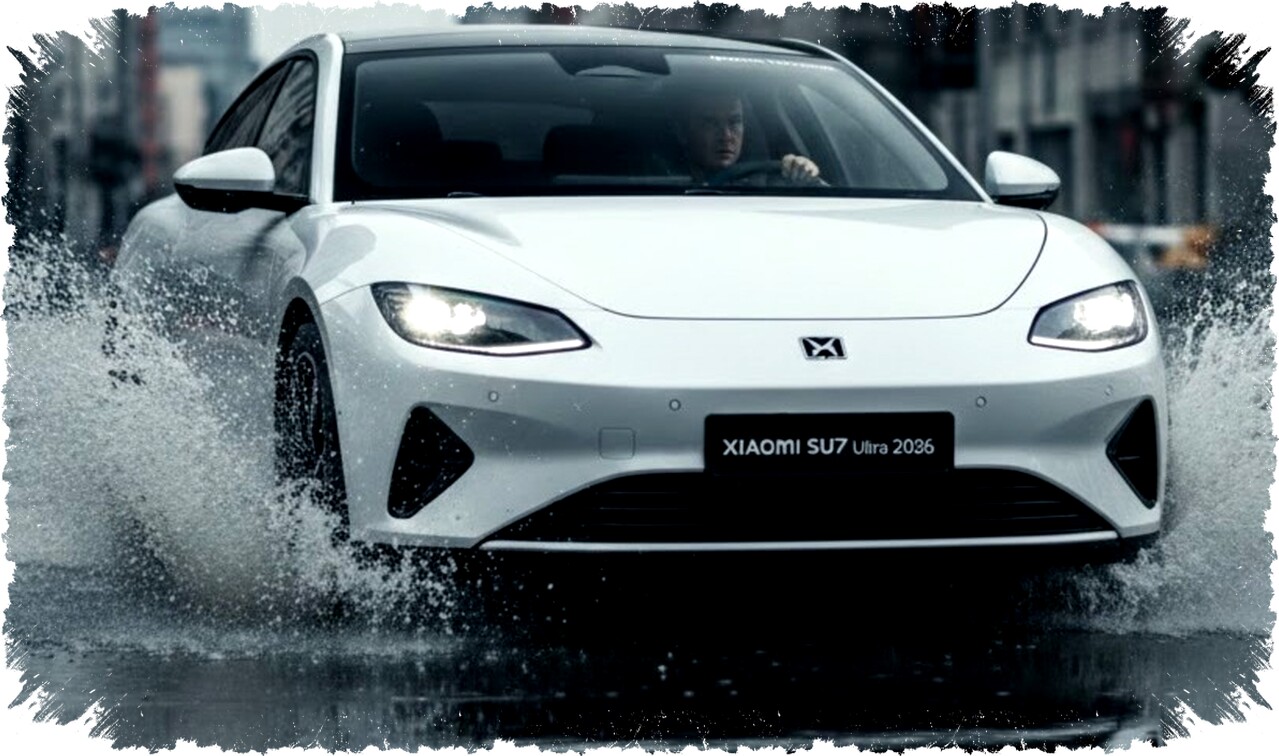
Xiaomi SU7 Ultra 2026 premium electric vehicle has captured considerable attention in Indonesia. Many prospective buyers are curious about its chassis durability, particularly its ability to withstand flooding, which frequently affects major cities.
This issue is crucial as flood resilience impacts the safety and longevity of electric vehicles in tropical regions prone to heavy rain. Understanding the build quality and protective features against water intrusion is key before finalizing a purchase decision.
Chassis Construction and Material Strength


The Xiaomi SU7 Ultra is engineered on a dedicated electric platform utilizing high-strength steel. This construction balances rigidity and weight reduction to optimize performance and safety. High-strength steel enhances the chassis’ structural integrity, essential for protecting internal components during adverse conditions.
The combination of lightweight materials supports the vehicle’s agility without compromising the frame’s robustness. This approach aligns with global standards in premium electric vehicles, where maintaining a stiff yet light structure is vital for both safety and handling.
Battery Protection and Electrical Sealing
A centerpiece of EV safety in flood conditions lies in battery protection. The SU7 Ultra’s battery pack sits beneath the floor, forming part of the car’s lower structure. This location demands advanced waterproofing to prevent water damage.
Industry standards typically require battery enclosures to achieve at least an IP67 rating. This standard guarantees resistance to dust ingress and the capacity to endure temporary submersion in water up to 1 meter deep for around 30 minutes. If Xiaomi applies similar protection levels, the SU7 Ultra’s battery and electric motor should remain safe when passing through shallow water.
Furthermore, cables carrying high voltage are sheathed in specialized waterproof insulation marked by orange coloring. Connectors are sealed tightly to avoid shorts if exposed to moisture, a measure that substantially reduces electric failure risks.
Underbody Design and Drainage Systems
Flood resistance depends not only on the chassis’ material but also on the underbody layout. Well-designed drainage paths mitigate water accumulation near sensitive electronics. Although the Xiaomi SU7 Ultra’s structure is reportedly solid, water ingress can still occur if the underbody and seals are compromised.
Xiaomi’s expertise in electronics likely contributes to meticulous attention in sealing wiring harnesses and control units. This approach minimizes vulnerability, especially in Indonesia’s urban environment where flooding events can be sudden and intense.
Electric Vehicle Advantages in Floods
Electric vehicles like the SU7 Ultra generally face fewer risks of water-related engine damage than traditional combustion cars. Unlike internal combustion engines, EVs lack an air intake and fuel system susceptible to water contamination causing mechanical failure. This inherently lowers the risk of a stall or engine destruction when navigating flooded roads.
However, this does not equate to immunity. Prolonged or deep submersion poses hazards to secondary control modules and electronic components, potentially triggering malfunctions or long-term deterioration.
Ground Clearance Considerations
Ground clearance is a pivotal factor in flood resilience. The SU7 Ultra, designed for high performance, likely has a moderate clearance optimized for aerodynamics. While sufficient to manage typical street-level puddles, it may be less capable during deep floods than higher-riding SUVs.
Careful assessment of water depth is essential. Driving through water reaching the wheel arches or higher risks submerging vital electrical parts, which can void warranties or incur costly repairs.
Context of Indonesian Climate Challenges
Indonesia’s intense rainy seasons result in frequent urban flooding. Cities such as Jakarta, Bandung, and Surabaya experience flash floods, challenging many vehicles’ durability. This climatic reality makes electric car buyers increasingly cautious about flood protection features.
The Xiaomi SU7 Ultra’s design reflects awareness of these conditions. Ensuring battery enclosures, electrical systems, and chassis withstand light to moderate water exposure aligns with user expectations for urban driving reliability.
Summary of Key Flood-Related Features on Xiaomi SU7 Ultra
- High-strength steel chassis enhances structural resilience.
- Battery pack underfloor with likely IP67-grade waterproofing.
- Sealed high-voltage wiring and connectors prevent short circuits.
- Efficient drainage and underbody design minimize water ingress.
- Moderate ground clearance suited for normal city flooding, less so for deep floods.
- Electric drivetrain’s inherent resistance to mechanical water damage compared to gasoline engines.
Prospective Xiaomi SU7 Ultra owners should still exercise caution when encountering severe flooding. Avoiding water levels exceeding a few tens of centimeters and limiting exposure duration are prudent measures.
In urban settings with typical rain-induced water accumulation, the SU7 Ultra appears adequately equipped to handle such challenges without immediate damage. Yet, extended submersion or deep floods beyond typical street puddles remain risky for any vehicle.
Understanding these design considerations helps buyers make informed decisions regarding electric vehicle suitability in flood-prone regions. Xiaomi’s focus on build quality and safety for the SU7 Ultra 2026 reflects the brand’s commitment to adapting premium EVs for Indonesia’s unique environmental demands.