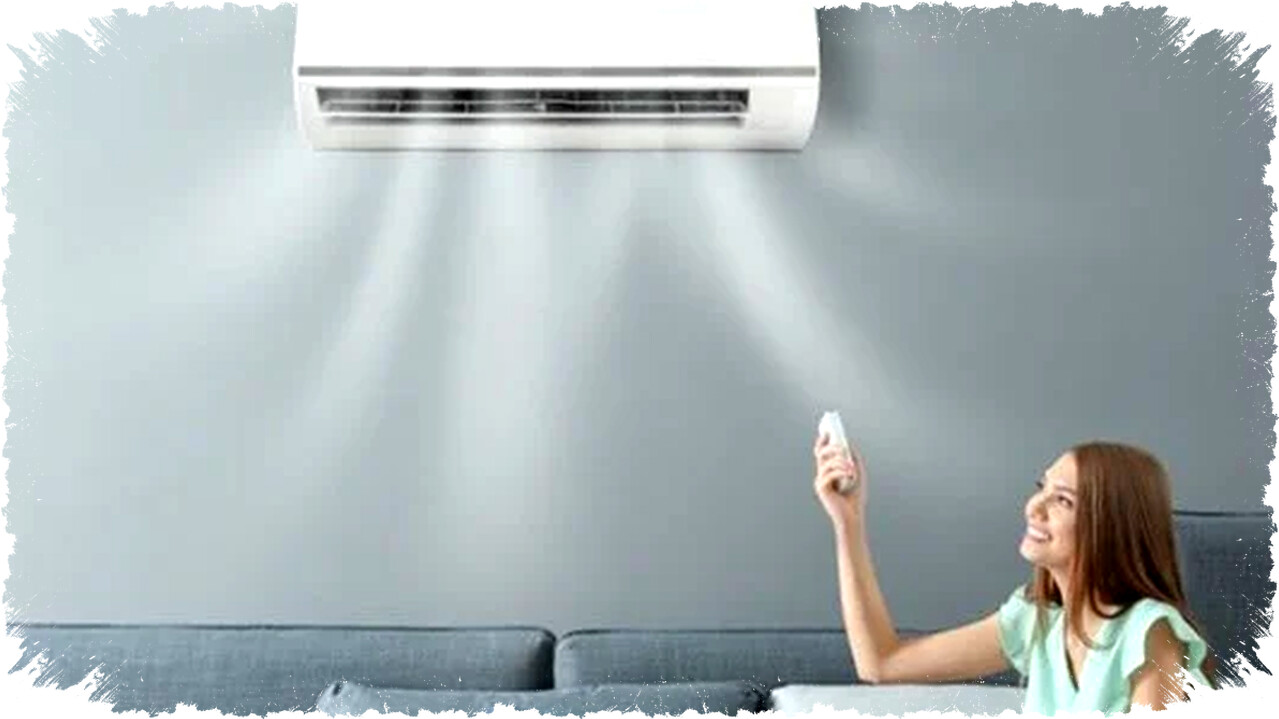
In 2026, air conditioning technology has evolved significantly to meet the demands of modern consumers. LG and Samsung lead the way with innovative smart home features, transforming AC units from simple cooling devices into indispensable parts of connected living spaces. Both brands offer advanced solutions but take different approaches to energy efficiency and user experience.
LG focuses heavily on power saving through its Dual Inverter Compressor technology. This innovation allows LG ACs to reduce electricity consumption by up to 70%, making it ideal for continuous use without causing high utility bills. The rapid cooling capability ensures comfort within minutes, while additional features like energy-saving and sleep modes optimize performance throughout the day. LG also equips its units with automatic cleaning functions to maintain internal cleanliness, enhancing durability and reducing maintenance needs.
Samsung, meanwhile, emphasizes comfort and smart integration with its Wind-Free technology. This design diffuses air gently and evenly, avoiding direct drafts that can cause discomfort. Samsung ACs offer smart controls accessible via smartphone apps, granting users remote management and seamless integration into smart home ecosystems. Some models feature automatic self-cleaning mechanisms that simplify upkeep. While certain Samsung inverter models provide decent energy efficiency, non-inverter variants tend to consume more power. Samsung’s premium pricing reflects its cutting-edge features and contemporary design.

Key Features Comparison of LG and Samsung ACs 2026
| Feature | LG Dual Inverter AC | Samsung Wind-Free AC |
|---|---|---|
| Energy Efficiency | Up to 70% electricity savings | Varies; inverter models efficient |
| Cooling Speed | Rapid cooling within minutes | Even, draft-free airflow |
| Smart Home Integration | Available, smart modes included | Full smartphone control |
| Auto-Clean Function | Yes, automatic internal cleaning | Yes, automatic internal cleaning |
| Price Range (USD) | Higher initial cost but energy-saving | Premium price for smart & design |
| Durability | Solid materials for long-term usage | Durable with focus on user comfort |
Consumers looking for long-term savings and highly efficient cooling may find LG’s technology more suitable. Its Dual Inverter Compressor dramatically cuts electricity bills while maintaining fast and reliable cooling performance. Families and users who run ACs around the clock will benefit greatly from this feature.
On the other hand, Samsung targets users prioritizing comfort and seamless smart home integration. Wind-Free technology offers a more pleasant and natural airflow experience, while remote controls provide convenience for busy households. Samsung’s sleek designs and smart ecosystem compatibility also appeal to tech-savvy consumers.
Despite the premium pricing of both brands, users often justify the initial investment with the long-term savings and enhanced comfort these ACs offer. The smart modes, energy-saving features, and auto-clean capabilities reduce manual effort and maintenance costs.
Choosing between LG and Samsung depends on individual priorities. Those focused on maximum electricity savings and performance may prefer LG. Meanwhile, users who want more advanced smart control and a comfortable breeze without harsh drafts might lean toward Samsung’s offerings. Both brands require regular maintenance to ensure their sophisticated systems perform optimally over time.
With the increasing trend toward connected homes, LG and Samsung continue to develop ACs that integrate seamlessly into smart ecosystems. Their competitive innovations push the industry standard forward, offering consumers more choices tailored to their lifestyle and energy consumption preferences.
For anyone planning to upgrade or invest in a new air conditioner in 2026, LG and Samsung represent the forefront of cooling technology. Their products blend efficiency, comfort, and modern design in ways traditional brands rarely match. This duo remains a must-watch for those seeking premium, future-proof cooling solutions.