Samsung is reportedly considering the return of variable aperture technology in its smartphone cameras. This move appears to be influenced by rumors that Apple will introduce variable aperture cameras in the upcoming iPhone 18 Pro series.
Variable aperture allows a camera lens to adjust its aperture size dynamically, optimizing for different lighting conditions. Samsung previously used this technology in the Galaxy S9 and Galaxy S10 models but discontinued it starting with the Galaxy S20 in 2020.
Reintroducing variable aperture could offer Samsung’s flagship devices greater versatility in photography. The company seems to be proceeding cautiously, as the potential debut of this feature is expected with the Galaxy S27, likely launching next year.
Samsung has not committed yet to reinstating variable aperture. However, insiders reveal that Samsung Electronics is actively exploring its feasibility. They have engaged both internal teams and external partners to develop this technology further.
Notably, Samsung Electro-Mechanics and MCNEX have created sample modules featuring variable aperture. These samples are undergoing testing to evaluate performance, signaling that the initiative is beyond mere speculation.
Such developments illustrate how Apple’s innovations can trigger renewed interest in technologies previously advanced by Android manufacturers. Samsung pioneered variable aperture cameras in smartphones but shelved the technology years ago. Now Apple’s rumored inclusion in the iPhone 18 Pro could drive Samsung to follow suit.
Industry observers view this scenario as part of a recurring pattern. Android brands often introduce features early but sometimes drop them. When Apple reintroduces or popularizes similar technologies, Android players frequently revive them with refreshed implementations.
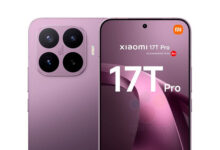
Samsung’s possible adoption of variable aperture aligns with its ongoing quest to enhance camera capabilities amid intensifying competition. Other brands such as Xiaomi have also focused heavily on camera innovation in recent launches, signaling a broader trend.
The return of variable aperture would allow Samsung smartphones to achieve better image quality in varying light by switching aperture sizes for proper exposure. This can improve low-light shots and enable more creative photography effects.
Samsung’s evaluation phase involves testing the mechanical reliability and size constraints of variable aperture modules. Integrating such a component requires balancing durability, cost, and user experience in a slim smartphone form factor.
If Samsung officially revives variable aperture, this might also influence other Android manufacturers to reconsider the feature. It could mark a new wave of innovation in mobile photography driven by Apple’s design decisions as much as by competitive dynamics within Android ecosystems.
While the Galaxy S27 release is still a year away, the ongoing development efforts suggest Samsung is preparing to meet future imaging demands proactively. The collaboration with Samsung Electro-Mechanics and MCNEX highlights the company’s commitment to exploring advanced hardware solutions.
In summary, Samsung’s exploration of variable aperture signals a strategic response to rumored Apple innovations and reflects broader trends in smartphone camera evolution. The move underscores how shifts in technology adoption can reflect cross-industry influence, where one manufacturer’s direction prompts reconsideration and advancement by others.