


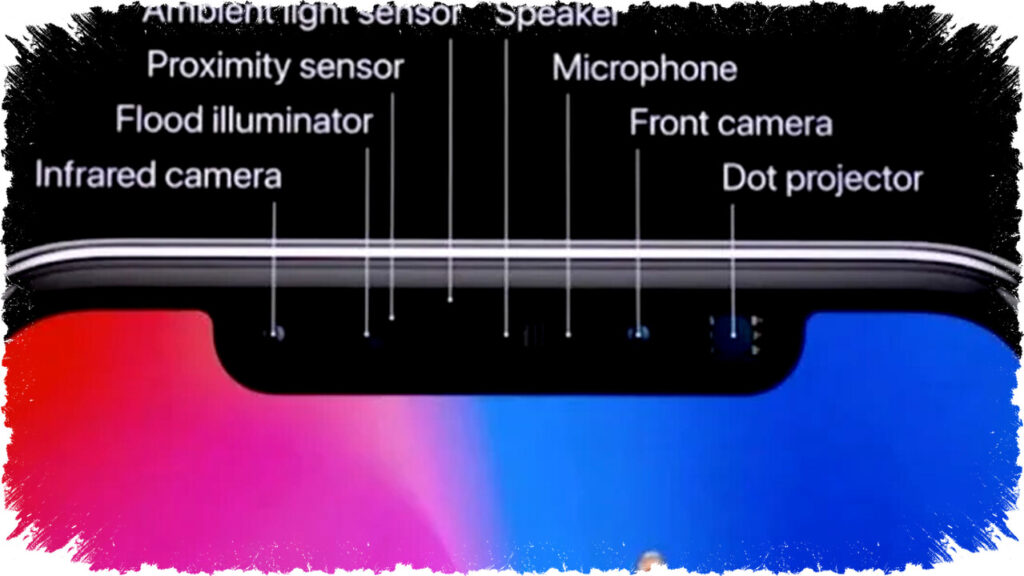
Android users have long relied on basic 2D face unlock systems that only use the front camera. These systems are quick but vulnerable to spoofing with photos or videos. Meanwhile, Apple has led the way by integrating Face ID technology, which uses sophisticated 3D infrared scanning to secure users’ devices.
Now, Google is reportedly developing a high-level face unlock technology expected to match Apple’s Face ID. This advancement could reshape Android’s biometric authentication and potentially debut on the upcoming Google Pixel 11 series set for release at the end of 2026.
Current Limitations of Android Face Unlock
Most Android phones currently use standard selfie cameras for face unlocking. This approach scans in two dimensions only and cannot differentiate between a real face and a photograph. It also fails in low-light environments and generally does not meet security standards required for sensitive operations like digital payments. Comparatively, Apple’s Face ID deploys a dot projector to map over 30,000 infrared dots on the face, an infrared camera to read depth, and a flood illuminator for dark conditions, achieving a security level of 1 in 1 million chances of unauthorized access.
Introducing Project Toscana
Google’s initiative, codenamed “Project Toscana,” aims to bring 3D facial recognition to Android without sacrificing sleek design. Unlike Apple’s current notch design or large sensor modules, this technology intends to embed advanced components under the display or use miniaturized radar systems.
Sources report two primary technologies under exploration:
-
Infrared Projector Integrated Under OLED Screen
Google plans to embed infrared emitters and depth sensors beneath OLED panels. This method avoids any visible sensor protrusions, allowing a full-screen experience without a notch. This innovation aligns with rumors about Apple’s future plans to hide Face ID sensors under the screen for a cleaner look. - Miniaturized Soli Radar
Google is revisiting its radar-based Soli technology, first introduced on Pixel 4 for motion sensing but discontinued due to battery drain and regulatory issues. The new iteration features a smaller chip optimized for 3D face scanning. Radar technology offers microsecond distance measurement, enabling precise facial mapping that works even in complete darkness.
Timeline and Ecosystem Expansion
Internal sources indicate that this next-generation face unlock system is slated for the Pixel 11 and Pixel 11 Pro in late 2026. Beyond smartphones, Google intends to bring similar biometric security features to its Chromebook lineup, although implementation there may face delays due to design and regulatory challenges.
Key expected benefits include:
- Eliminating the need for notches or large punch-hole cutouts
- Enabling secure biometric authentication for payments via Google Wallet
- Resistance to spoofing using photos or videos
- Reliable performance under diverse lighting conditions
Challenges Ahead for Google
Despite the promise, Project Toscana faces several obstacles:
- High production costs for under-display infrared sensors
- Regulatory restrictions on radar use in various countries
- Power consumption concerns from continuous 3D scanning
- Need for developers to adapt apps to new security APIs
Addressing these issues will determine whether Google can successfully compete with Apple’s established Face ID technology.
Implications for Users
For Android users, if successful, this innovation will mean:
- Easier, hands-free device access under all lighting conditions
- Stronger security for banking and digital wallet authentication
- Cleaner phone aesthetics with no sensor bumps or notches
- Access to premium biometric security previously exclusive to Apple devices
Most importantly, users can enjoy peace of mind knowing their face unlock system resists spoofing attempts with photos or videos, which has been a notable vulnerability in current Android face recognition methods.
Google’s push with Project Toscana signals a significant step forward in biometric security for Android. Although the full deployment might take until the end of 2026, the industry is watching closely as this could redefine user expectations. If successful, Android phones will finally offer face unlock experiences as secure and advanced as iPhones, while potentially introducing new design freedoms and user conveniences.
The arrival of 3D face unlock technology without compromising screen aesthetics or system security suggests Android biometrics are entering a new era of competitiveness and innovation. Users eager for safer, more seamless authentication have reasons to be optimistic about Google’s upcoming devices and the broader ecosystem enhancements in personal security technology.