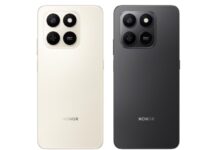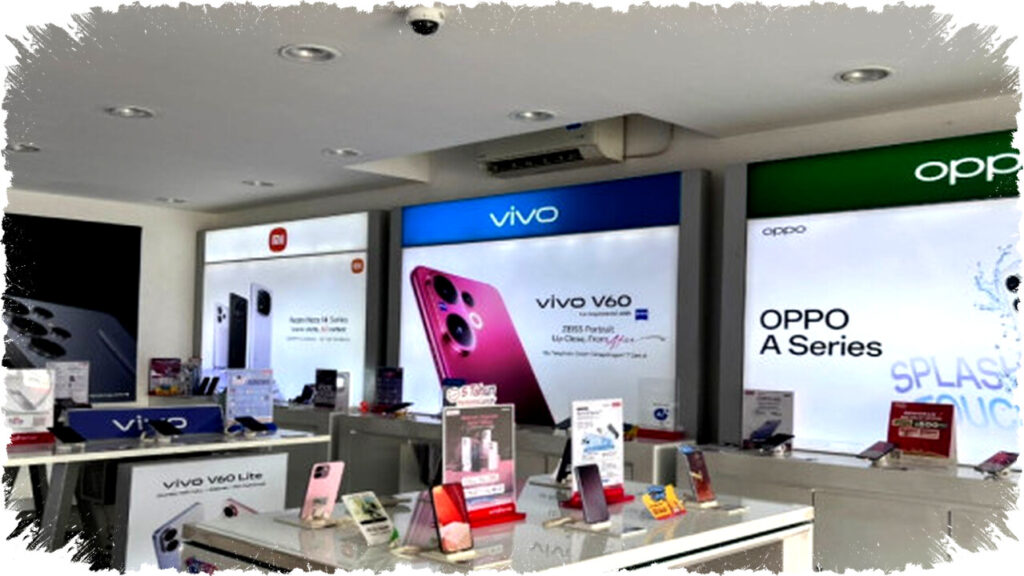
Ramadan 2026 is expected to significantly boost smartphone sales in Indonesia’s market. The influx of Tunjangan Hari Raya (THR) funds during this period greatly increases consumer purchasing power.
Industry analysts see Ramadan as a key stabilizer that prevents a deeper annual market decline. Aryo Meidianto Aji, a market observer, explains that Ramadan acts as a safety net ensuring consistent sales volume amid fluctuating market conditions throughout the year.
Data from Counterpoint Research highlights this seasonal pattern. In Q1 2023, the Indonesian smartphone market contracted 8.1%. However, during the same quarter of the following year, it rebounded with a 4% growth thanks to Ramadan-driven sales incentives.
Surge in Product Launches Before Ramadan
Smartphone brands often time their new product launches just before the fasting month begins. This strategy aims to capture consumer interest as they get ready to spend their holiday bonuses. New device releases generate buzz that ripples across social media and word of mouth, amplifying demand.
Past trends show that product launches increased by 183% compared to normal days during pre-Ramadan periods. Most shipments arrive in March, providing consumers with a broad selection to consider before Eid festivities. This timing helps brands tap into heightened consumer excitement and drive higher sales.
Discounts and Financing Options Drive Purchases
Indonesian consumers respond enthusiastically to discounts and price reductions during Ramadan. Retailers and brands consistently offer promotions that include direct price cuts and bundle deals.
Payment flexibility also plays a crucial role. Partnerships with fintech platforms such as Kredivo provide attractive 0% installment plans, lowering financial barriers. Meanwhile, trade-in programs encourage users to upgrade to higher-end smartphones without paying full price, making premium models more accessible.
Integrated distribution channels strengthen these promotional efforts. Offline stores like Erafone work alongside online marketplaces such as Shopee and Tokopedia. On social media platforms including TikTok and Instagram, engaging content helps brands emotionally connect with buyers.
Stock Availability and Distribution Challenges Amid Mudik
Ensuring ample stock nationwide is vital for maximizing Ramadan smartphone sales. Vendors must distribute units not only in metropolitan areas but also down to regency levels.
This widespread availability is important because many consumers shop near their hometowns during the annual mudik (homecoming) season. Efficient logistics and supply chains that reach remote locations will directly impact overall sales volumes.
If vendors succeed in balancing supply with demand across diverse regions, positive growth targets for the first half of 2026 appear attainable. The Ramadan period reinforces its role as a foundational pillar supporting Indonesia’s mobile tech industry throughout the year.
Key Factors Influencing Ramadan 2026 Smartphone Sales
- Timing of Product Launches: Increased releases just before Ramadan to leverage holiday spending.
- Attractive Discounts: Price cuts and promotional offers that appeal to cost-conscious buyers.
- Flexible Financing: Interest-free installment schemes easing purchase decisions.
- Trade-In Programs: Encouraging upgrades with reduced effective costs.
- Channel Integration: Seamless presence across brick-and-mortar stores and e-commerce platforms.
- Social Media Engagement: Leveraging content marketing for deeper consumer interaction.
- Logistics Reach: Ensuring stock availability even in remote and rural areas to meet demand during mudik.
This comprehensive strategy aligns well with the evolving economic conditions and consumer behavior in Indonesia. These dynamics position Ramadan 2026 as a vital period capable of stimulating robust growth in smartphone sales, reinforcing the sector’s resilience and adaptability in a competitive market landscape.