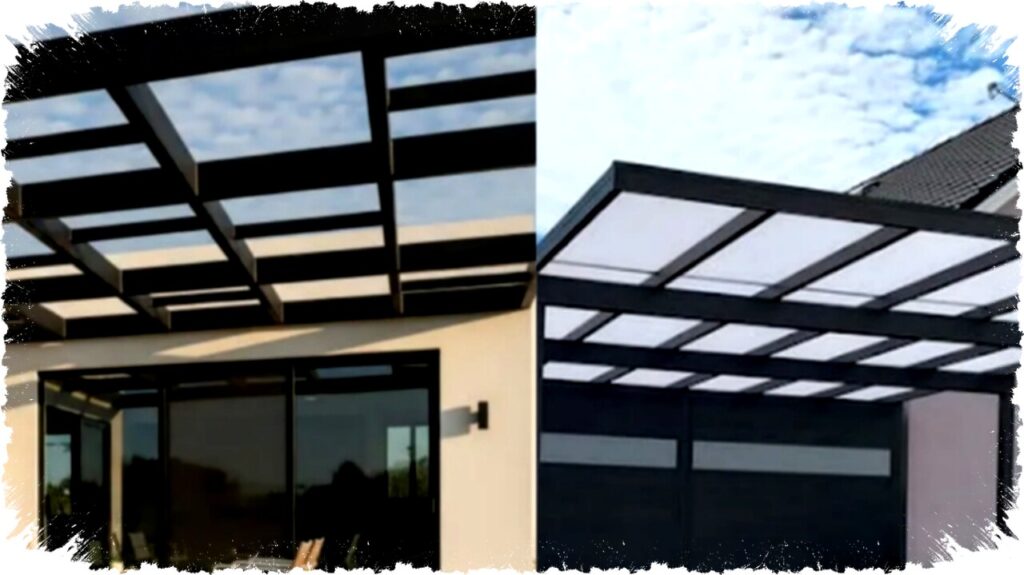
Choosing the right canopy frame is crucial for durability, strength, and overall aesthetic appeal. The frame acts as the backbone of the canopy, determining up to 90% of its stability and longevity. Selecting the wrong material can lead to structural failures, costly repairs, and a diminished appearance of your home exterior.
A canopy typically covers outdoor spaces such as terraces, carports, or balconies, protecting vehicles, furniture, and entryways from sun and rain damage. Besides providing shelter, canopies add visual value to a property and create functional outdoor areas. Well-chosen frames support different canopy roofing, from lightweight galvalume sheets to heavy tempered glass, ensuring safety and performance.
Why Material Selection Matters
The frame is not just about beauty; it’s about safety and longevity. Incorrect frame choice risks collapse under wind loads or rain, threatening personal safety and property. It also affects maintenance costs and the ease of installation. Thus, understanding the materials available helps balance strength, aesthetics, durability, and budget.
Popular Canopy Frame Materials
Here are five common materials with their benefits and drawbacks:
Hollow Steel
Hollow steel sections, usually square or rectangular tubing, provide great strength and a sleek look. They support heavy loads and resist wind pressure well. Welded connections make for neat aesthetics, and their fire resistance is an added safety factor.
Pros: Strong, minimalistic design, fire-resistant.
Cons: Susceptible to rust, requires routine rust-proof painting, heavier and more time-consuming installation.Lightweight Steel (Baja Ringan)
This thin steel is engineered for strength with minimal weight, typically assembled with screws or bolts rather than welding. Installation is quick and straightforward, making it budget-friendly.
Pros: Rust-resistant, lightweight, fast to install, affordable.
Cons: Visible bolt connections, less ideal for heavy roofing materials, can generate noise during heavy rain.Stainless Steel
Known for its premium appearance and excellent corrosion resistance, stainless steel requires minimal maintenance. Its glossy finish adds a modern and clean silhouette to any structure.
Pros: Highly durable, low maintenance, elegant finish.
Cons: Higher cost, may corrode under intense salt exposure, such as near coastal areas.Wood
Using hardwood like teak or meranti creates a warm and natural aesthetic, perfect for tropical or rustic home designs. However, wood demands ongoing care to prevent decay from moisture and insects.
Pros: Natural beauty, unique texture, fits rustic designs.
Cons: High maintenance, prone to rotting and termites, generally costly for quality wood.- Steel Channels (UNP & CNP Profiles)
These channel-shaped steel beams provide additional structural strength needed for large or heavy canopies. Typically, they are used as primary support beams or purlins.
Pros: Excellent load capacity, enhances overall canopy stability.
Cons: Heavy and usually paired with other materials, often costlier and require specialized installation.
Additional Considerations for Frame Choice
When deciding on the canopy frame, consider the roof type and the environment. For instance, if the canopy covers a large area or uses heavy materials like tempered glass, stronger steel frames or steel channels are better suited. Conversely, smaller canopies or those with lightweight roofing can benefit from cheaper, faster-to-install steel or wood frames.
Maintenance also plays a role. Steel frames typically need anti-rust coatings and periodic re-painting. Wood must be treated and sealed regularly to maintain integrity. Stainless steel requires less effort but has a higher upfront price. Your local climate influences material longevity—humid or coastal zones favor rust and rot-resistant options.
Cost and Installation Insights
Prices vary widely: a quality hollow steel frame can start around $20 per meter, while stainless steel options often cost double or more. Wood frames depend on species and treatment grade, sometimes reaching premium price points. Labor costs depend on installation complexity; welded frames take longer, adding expense.
Installation time and skill factor into your choice. Welding hollow steel requires professional expertise, while lightweight steel frames are easier for general contractors to assemble. Wood frames demand carpentry skills and precise joinery. Stainless steel offers a balance of aesthetics and low maintenance but costlier material and skilled installation.
Summary of Material Features
| Material | Strength | Durability | Maintenance | Cost Approx. (USD) | Aesthetic | Installation |
|---|---|---|---|---|---|---|
| Hollow Steel | High | Susceptible to rust | Requires painting | $20-$40 per meter | Minimalist | Welding needed |
| Lightweight Steel | Moderate | Rust resistant | Low | $15-$30 per meter | Industrial | Bolt assembly |
| Stainless Steel | High | Very durable | Minimal | $50+ per meter | Modern, elegant | Skilled labor |
| Wood | Moderate | Prone to decay | High | $30-$70 per meter | Natural, warm | Carpentry skill |
| Steel Channels (UNP/CNP) | Very High | Durable | Moderate | $40-$60 per meter | Structural element | Welding or bolting |
Making the Right Choice
Analyzing your project’s requirements—roof weight, canopy size, climate, and budget—is essential. The frame should match your roofing’s weight and the expected environmental stress. Safety comes first; a strong frame protects occupants and assets from collapse.
Visual harmony with your home style also matters. A wooden frame enhances tropical homes, while stainless steel suits modern architecture. Meanwhile, cost-effective lightweight steel serves temporary or budget-conscious builds.
Ultimately, investing time in choosing the correct canopy frame yields a durable, beautiful, and functional outdoor space. Be mindful of professional installation and maintenance to maximize your canopy’s lifespan and safety.
This comprehensive understanding of material options empowers you to select a canopy frame that balances strength, durability, and aesthetics for your home’s best outdoor experience.