Oppo, once dominating the Indonesian smartphone market, has faced consistent decline over the past three years. This trend extends beyond Indonesia into the wider Southeast Asian region, signaling a significant shift in consumer preference and market dynamics.
Data from Omdia reveals that Southeast Asia’s smartphone market contracted by 1% in the third quarter of 2025. Total shipments reached 25.6 million units, marking the third consecutive quarter of year-on-year decline. These numbers set the stage for understanding Oppo’s dwindling market share.
Market Performance of Leading Brands


Samsung leads the Southeast Asian market, shipping 4.6 million units and capturing 18% market share. Its dominance is driven by a strong premium product portfolio with a higher average selling price (ASP). Trailing closely, Transsion’s brands—Infinix, Tecno, and Itel—also hold 18% share with 4.6 million units shipped, benefiting from steady annual growth.
Xiaomi follows in third place with 4.3 million units shipped, or 17% market share. Its success stems largely from the POCO series, which has seen shipment volumes more than double compared to the previous year. This surge is linked to the launch of new entry-level smartphones, appealing to a broader demographic.
Oppo’s Declining Position
Oppo ranks fourth in the region with 3.8 million units shipped, accounting for 15% market share. This position shows a notable decline, attributed to weaker demand and adjustments in its distribution channels. Compared to previous years, Oppo’s penetration has significantly weakened in major Southeast Asian markets.
In Indonesia, Oppo’s foothold has diminished from its earlier standing as the market leader or a close runner-up. When combined, the shipments of Transsion’s brands push Oppo down to the third or even fourth position. This erosion parallels Oppo’s struggles across neighboring countries.
Oppo’s Southeast Asian Market Ranking
- Philippines: Oppo is fourth, behind Transsion, Xiaomi, and Samsung.
- Vietnam: Oppo holds the fourth position after Samsung, Xiaomi, and Apple.
- Malaysia: Oppo falls to fifth, trailing Xiaomi, Samsung, Honor, and Vivo.
- Thailand: The brand fares better here, securing second place after Samsung.
Le Xuan Chiew, a Research Manager at Omdia, explains Oppo’s downturn. He notes, “Oppo’s products resemble Vivo’s approach, which prioritizes value rather than volume. Meanwhile, HONOR and Xiaomi focus on increasing volume to expand brand penetration."
Factors Behind Oppo’s Market Share Loss
Several factors contribute to Oppo’s weakening market presence:
- Product Positioning: Oppo’s focus aligns with offering value, unlike rivals that emphasize volume growth.
- Distribution Channel Corrections: Adjustments in Oppo’s distribution networks have led to reduced availability and slower market response.
- Increasing Competition: Aggressive pricing and expanded product lines from competitors like Xiaomi and Transsion have eroded Oppo’s customer base.
- Market Saturation: The Southeast Asian market is crowded with numerous brands, intensifying the challenge for Oppo to stand out.
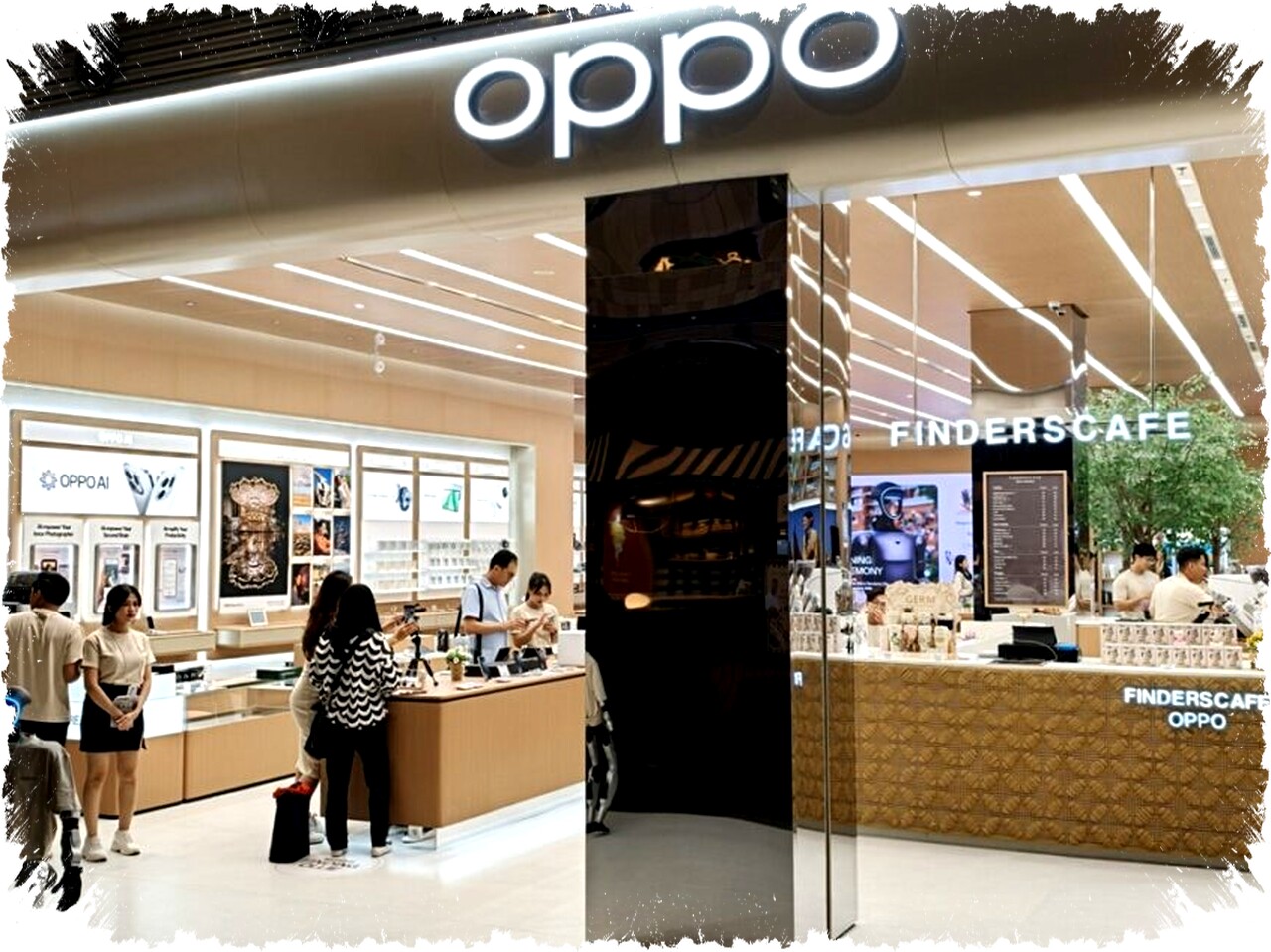
Despite opening a new flagship store in Jakarta’s Gandaria City featuring advanced AI robotics, Oppo continues to face an uphill battle in regaining lost market share. Its premium efforts have yet to translate into significant sales growth.
Southeast Asia Smartphone Market: A Quick Snapshot
| Brand | Shipment Volume (3Q 2025) | Market Share | Market Trend |
|---|---|---|---|
| Samsung | 4.6 million units | 18% | Leading, premium focus |
| Transsion | 4.6 million units | 18% | Moderate growth, volume focus |
| Xiaomi | 4.3 million units | 17% | Rising fast, entry-level boost |
| Oppo | 3.8 million units | 15% | Declining, demand weaker |
Market analysts suggest that to reverse this trend, Oppo must recalibrate its strategy towards more aggressive volume expansion. Leveraging competitive pricing and strengthening distribution are critical steps. Failing this, Oppo’s position could continue to erode, overshadowed by rivals aggressively pursuing market share.
In conclusion, Oppo’s dwindling market share in Southeast Asia reflects broader shifts in consumer behavior and competitive dynamics. The combination of weaker demand, stronger competitors, and strategic choices has pushed Oppo from a leadership position to battling for survival. Its ability to adapt will determine if it can regain footing in the years ahead.