

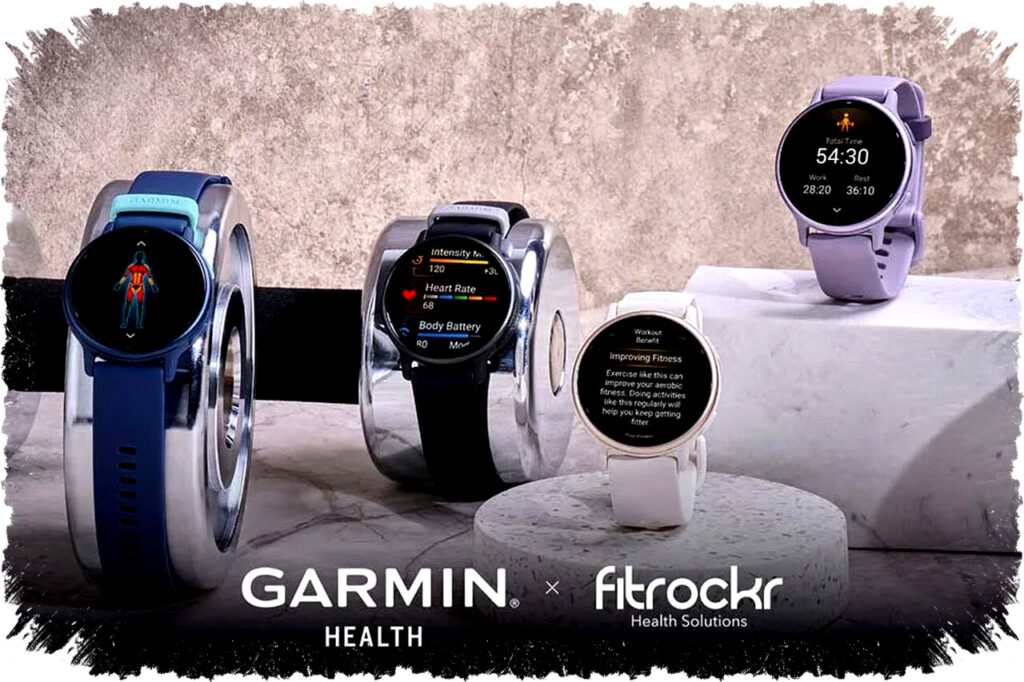
Garmin Indonesia has officially launched the Garmin Health Research Grant 2026, marking a significant milestone in the evolution of wearable technology. This new initiative aims to empower researchers globally to harness data from smartwatches as a credible source of medical insights. The program collaborates with Fitrockr, an analytics partner, to convert vast amounts of health data into scientifically valuable information.
Wearables have shifted from basic fitness gadgets to essential tools in medical research. Modern Garmin devices, including popular models from the Venu and Instinct series, offer continuous monitoring features such as heart rate, sleep analysis, and stress tracking. These sensors generate ongoing physiological data that serve as a foundation for longitudinal studies, an approach often difficult to achieve with traditional clinical checkups.
Transforming Wearables into Medical Instruments
Over recent years, smartwatches have undergone rapid functional enhancements. Their ability to gather continuous and objective health data has redefined their role beyond consumer use. Datapoints collected from daily activities help researchers track conditions such as anxiety, sleep disorders, and postoperative recovery. This depth of data provides more comprehensive insights compared to sporadic clinical assessments.
Through the Garmin Health ecosystem, academic institutions and healthcare providers gain privileged access to these data streams. The platform supports global research collaborations by making real-time and historical health metrics available for scientific exploration. This strategy enables a clearer understanding of health patterns across diverse populations and demographics.
Details of the Garmin Health Research Grant 2026
The grant program offers funding to researchers keen to explore wearable-derived health data in their studies. Besides financial support, Garmin provides extensive analytic capabilities through Fitrockr’s platform. This technology translates millions of raw data points into interpretable reports, facilitating easier analysis without requiring researchers to develop custom data processing tools.
Fitrockr acts as a “data translator,” enabling rapid and accurate conversion of continuous biometric information into actionable insights. This streamlines study workflows and improves the quality of evidence generated from wearables. Universities and medical centers worldwide, including institutions in Indonesia, are invited to participate actively in this initiative.
Specifically, local researchers can utilize Garmin’s data in various contexts, such as assessing the impact of urban air pollution on sleep quality. Real-time observational data from smartwatches could provide new dimensions of evidence for public health interventions in metropolitan settings.
Benefits Extending to Smartwatch Users
Beyond offering new opportunities to researchers, the program also indirectly benefits consumers. Data recorded by wearables can serve as an additional source of health information when consulting healthcare professionals. For instance, eye-opening patterns in sleep duration or daily stress levels may help doctors better understand a patient’s continuous condition, contrasting with the customary reliance on patient memory or periodic evaluations.
Furthermore, insights gained through the program feed back into improving Garmin’s device algorithms. Enhanced features like energy monitoring and stress detection become increasingly precise, enabling earlier identification of chronic fatigue or burnout symptoms. This iterative feedback loop enhances both clinical relevance and everyday user experience.
How Garmin’s Health Data Ecosystem Works
Garmin’s devices function as “body storytellers,” continuously capturing key health indicators such as heart rate, physical activity, and sleep patterns. This uninterrupted data collection forms the backbone for a more realistic assessment of a person’s health behaviors and status.
Fitrockr processes this data, structuring it into comprehensive reports suited for medical analysis. Its algorithms continuously improve through scheduled updates, maintaining data accuracy and reliability — crucial factors for the validity of medical research.
Such a system removes many traditional barriers in health studies, such as complex data acquisition and inconsistent sampling intervals. Researchers can instead focus their expertise on interpreting findings and advancing medical knowledge.
The Outlook for Digital Health Research
The announcement of the Garmin Health Research Grant 2026 signals a transformative direction for health technology. Combining wearable sensors, advanced analytics, and academic research creates new possibilities for disease prevention, early detection, and personalized healthcare strategies on a global scale.
Data collected in real-life settings offers richer, more nuanced information than isolated clinical visits. As smartwatches become integral to monitoring health over time, they enable a proactive rather than reactive approach to wellness.
This program exemplifies how consumer technology can evolve into a powerful scientific tool. If this trend continues, smartwatches will increasingly function not only as lifestyle accessories but also as trusted partners in managing personal health—underpinned by global research efforts and cutting-edge data science.


