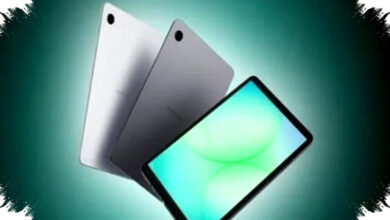
Poco Indonesia has launched two new smartphones, the Poco X7 5G and Poco M7 Pro 5G, targeting gamers frustrated with overheating issues during gameplay. These devices address common gaming challenges such as performance drops caused by excess heat, imprecise touch response, and battery limitations during extended sessions.
The company emphasizes consistent performance as crucial for gamers seeking to enhance their skills. Product Marketing Manager Satryo Rachmat explained that stable hardware and software help prevent disruptions, especially in competitive gaming environments.
Advanced Chipsets for Efficient Gaming


The Poco X7 5G features the MediaTek Dimensity 7300-Ultra chipset built on an efficient 4nm fabrication process. This advanced manufacturing reduces power consumption and heat production, minimizing the risk of thermal throttling—a problem where processors reduce speed to avoid overheating. As a result, the phone maintains steady frame rates even when running graphically demanding games.
Conversely, the Poco M7 Pro 5G runs on the MediaTek Dimensity 7025-Ultra chipset, which reportedly achieves an AnTuTu benchmark score of around 477,000 points. Although synthetic benchmarks do not fully capture real-world experience, these figures indicate strong computational and graphical capabilities suited for gaming and everyday use.
Display Technology for Smooth Visuals
Both smartphones offer AMOLED displays with 120Hz refresh rates, critical for gamers who require smooth animations and accurate touch response. The Poco X7 5G sports a 6.67-inch CrystalRes 1.5K screen delivering sharper visuals than typical Full HD+ panels. This clarity enhances detail rendering, so fast-paced games appear vibrant and fluid.
Meanwhile, the Poco M7 Pro 5G also supports 120Hz on its AMOLED panel, ensuring fluid user experiences and rapid feedback in gameplay. High refresh rates reduce motion blur and input lag, directly improving control precision during intense gaming moments.
Battery and Charging Designed for Long Sessions
Both models come equipped with 5,110mAh batteries and support fast charging at 45W Turbo Charging. These specifications allow extended usage without frequent recharges and shorter downtime when charging is necessary. Gamers can rely on sustained power through demanding activities like multiplayer gaming or multimedia streaming.
Optimized Software for Gaming
Running on Xiaomi’s HyperOS 2, the smartphones integrate a Game Turbo mode. This system manages resource allocation by optimizing RAM usage, blocking distracting notifications, and prioritizing the gaming process. Such software enhancements contribute to stable performance and minimize interference during gameplay.
Strategic Market Focus
Poco’s introduction of these two models reflects its commitment to Indonesia’s young and gaming-centric market. With increasing internet penetration and smartphone adoption, devices balancing connectivity, performance, and thermal management are in high demand. By combining efficient chipsets, high-refresh displays, ample battery capacity, and tailored software features, Poco aims to meet the expectations of serious mobile gamers.
Key Specifications Comparison
| Feature | Poco X7 5G | Poco M7 Pro 5G |
|---|---|---|
| Processor | MediaTek Dimensity 7300-Ultra (4nm) | MediaTek Dimensity 7025-Ultra |
| Display | 6.67-inch AMOLED CrystalRes 1.5K, 120Hz | AMOLED, 120Hz |
| Battery | 5,110mAh, 45W Turbo Charging | 5,110mAh, 45W Turbo Charging |
| Software | Xiaomi HyperOS 2 with Game Turbo | Xiaomi HyperOS 2 with Game Turbo |
| AnTuTu Score (claimed) | Not specified | Approx. 477,000 |
Poco’s efforts demonstrate how smartphone technology continues evolving to support demanding gaming experiences without compromising device temperature and battery life. Users in Indonesia now have more options that emphasize stability, smooth visuals, and rapid charging in affordable packages.
As mobile gaming grows, manufacturers like Poco responding to heat and performance issues will likely shape future device trends. The Poco X7 5G and M7 Pro 5G embody this direction by combining hardware and software solutions aimed specifically at competitive and casual gamers alike.