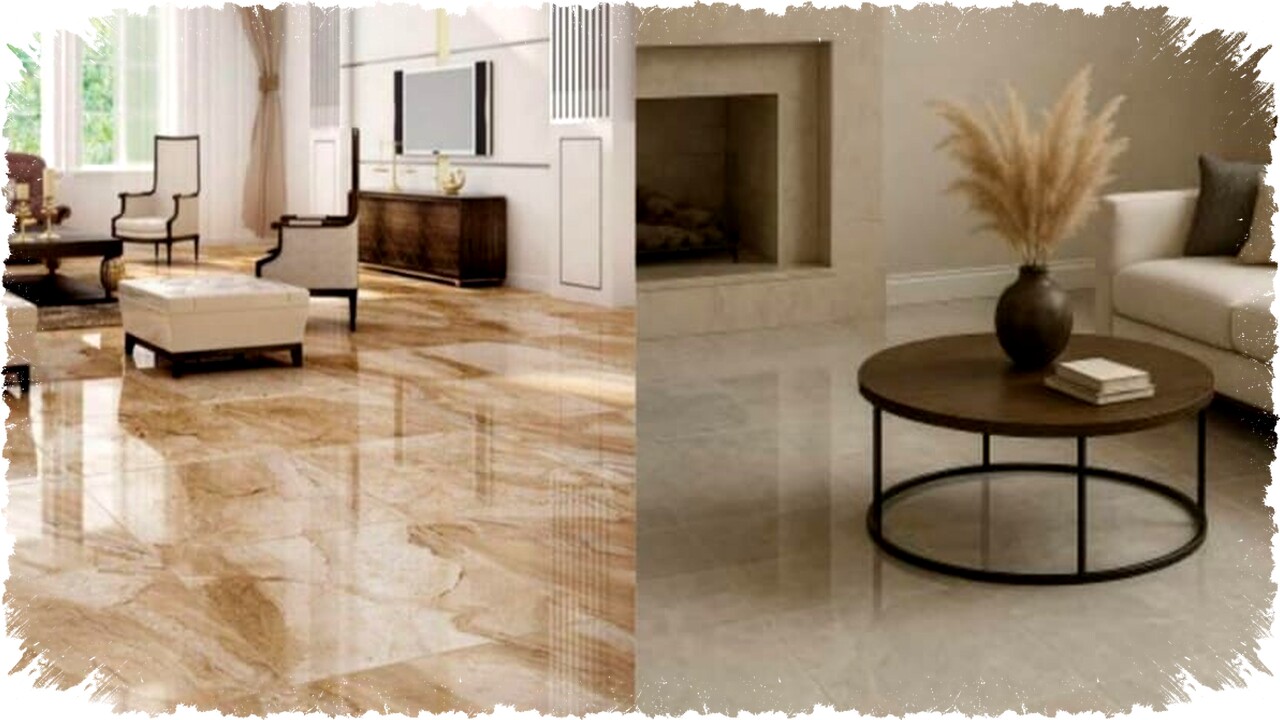
Renovating your floor to refresh your home’s look often means costly and time-consuming demolition work. Many homeowners hesitate to break old ceramic tiles due to expense, effort, and restrictions in apartment buildings. Fortunately, you don’t need to remove existing tiles to change the floor’s appearance. Practical solutions exist that let you easily cover old floors with new materials.
Modern alternative floor coverings can be installed directly over existing homogeneous ceramic tiles, provided the surface is flat and clean. This approach saves money and time while giving your interiors a fresh style without major disruption. Below are practical options widely used to update floors smartly and efficiently.
1. Engineered Wood (Parquet)
Engineered wood flooring offers the warm, elegant look of natural wood without the thickness of solid hardwood. Most parquet panels have thickness under 5 mm. This allows installation over tiles without adjusting door heights or thresholds. While slightly less durable than solid wood, parquet delivers a natural wood texture and adds visual warmth to rooms. It is suitable for living areas where a sophisticated atmosphere is desired.


2. Laminate Flooring
Laminate provides a wood-like finish with greater scratch resistance and easier maintenance than real wood. This synthetic material is thin and ideal for overlaying flat ceramic floor surfaces. Many laminate products include anti-scratch and stain-resistant technology. Its affordability and resilience make it a popular choice for households seeking a stylish but practical floor upgrade.
3. Vinyl Flooring
Vinyl flooring has gained traction recently due to steady improvements in durability and design variety. It works well on smooth ceramic tiles and offers multiple style options. From plain vinyl rolls for minimalist trends to luxury vinyl tiles with granite or marble patterns, and vinyl planks mimicking wood grain, vinyl can fit many interior themes. Its waterproof nature is also a bonus for kitchens and bathrooms.
4. Stone Plastic Composite (SPC)
SPC is an enhanced version of vinyl flooring, featuring greater resistance to impacts, scratches, water, and stains. It uses a click-lock installation system that requires no adhesive, allowing quick fitting over existing floors. The finished surface appears continuous and neat, with fewer visible joints. SPC is an excellent option in spaces exposed to heavy foot traffic or moisture.
5. Carpets
Carpets remain a classic choice for creating cozy, comfortable zones such as bedrooms and lounges. They can be placed directly atop ceramic or homogeneous tiled floors. A wide range of designs and textures are available to complement interior colors and styles. High-quality carpet adds softness, warmth, and sound insulation, enhancing the room’s feel without renovation hassles.
Key Practical Benefits
Overlaying floors rather than removing old ceramic tiles has several advantages:
- Cost Efficiency: Avoids expenses of tile demolition and new substrate preparation.
- Time Saving: Installation is faster and less disruptive to daily life.
- Reversibility: New layers can be removed easily if desired, restoring the original floor.
- Compatibility: Thin materials avoid height adjustments for doors or fixtures.
- Aesthetic Variety: Wide selection of textures, colors, and styles offers design flexibility.
Homeowners in urban areas often face uniform interiors from developer-built apartments, including standard white walls and plain ceramic flooring. This uniformity causes visual monotony and boredom over time. Applying new floor coverings over existing tiles revives home ambiance practically and effectively.
According to interior renovation experts, floors with a smooth, level ceramic tile base create an ideal surface for adding new layers. The presence of a flat substrate minimizes complications related to unevenness or adhesive failure. This technique is especially preferred in condo and townhouse units where building regulations limit structural alterations.
Cost-wise, these overlay materials vary but generally fall between $5 to $20 per square foot, significantly cheaper than full tile replacement. For example, laminate floors average around $7-$10 per square foot, vinyl ranges from $5-$15, and SPC often costs $10-$20 depending on brand and quality.
Before installation, it’s essential to thoroughly clean and inspect the existing tiled floors for cracks or loose tiles. Any uneven areas should be leveled to ensure adhesion and prevent damage to the overlay finishing. Professional installation is recommended for click-lock systems like SPC and multi-piece laminates to maintain seamless joints.
Beyond aesthetics, these overlay solutions add functional benefits such as improved thermal insulation, noise reduction, and comfort underfoot. Vinyl and SPC’s waterproof properties also enhance durability in wet or high-moisture rooms. Carpeting further elevates acoustic tranquility and softness, valuable for rest spaces.
With a rising demand for hassle-free home updates, innovative floor coverings continue evolving. Brands increasingly integrate eco-friendly materials, enhanced scratch and stain resistance, and easy maintenance features. These trends align with modern living needs, balancing style and convenience.
While traditional floor replacement requires significant work, overlaying existing ceramic tiles emerges as a practical, cost-effective method to transform interiors. This approach accommodates renter restrictions and many homeowners’ preference to retain original flooring integrity. It offers an accessible pathway to personalized, trendy flooring designs without demolition stress.
Exploring these alternatives allows homeowners to adapt and refresh their living spaces with minimal fuss. Such choices fit well within contemporary Indonesian urban housing contexts, meeting demands for stylish yet practical interior solutions. Layering new floors over existing tiles provides a smart, flexible way to upgrade home ambiance aligned with evolving lifestyle preferences.