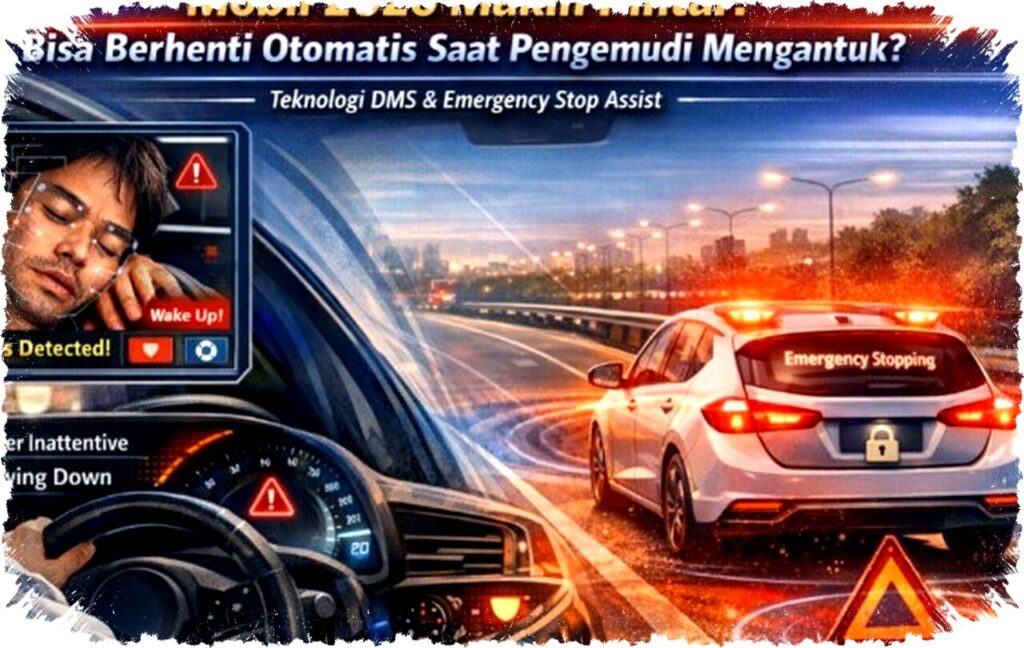
The automotive industry is rapidly advancing toward enhanced safety through cutting-edge technology. In 2026, many car manufacturers are equipping new models with Driver Monitoring Systems (DMS). This system is touted for its ability to detect driver drowsiness and, in some cases, to automatically stop the vehicle when the driver is unresponsive.
DMS uses infrared cameras and intelligent sensors mounted near the dashboard or steering column. It continuously observes the driver’s eye movements, gaze direction, blinking frequency, head position, and facial expressions. When signs of fatigue are detected, such as prolonged eye closure or head nodding, the system issues warnings through audible alarms, visual notifications on the dashboard, or vibrations in the steering wheel. The goal is to alert the driver before a dangerous situation develops.
How DMS Works in Modern Cars
Modern DMS relies on advanced real-time monitoring technologies. The sensors track subtle and specific behaviors linked with sleepiness. For example, slower blink rates and frequent head drops are strong indicators the driver may be dozing off. Upon identifying these signs, the system intervenes to prompt immediate driver attention.
Integration with Advanced Driver Assistance Systems (ADAS) is a notable trend. This fusion enhances the vehicle’s response capability beyond warnings. Some cars gradually reduce speed to encourage driver alertness. Lane keeping assist can activate to keep the vehicle safely on the road. Hazard lights may also turn on to signal distress to other road users.
Automatic Stopping: Myth or Reality?
A common question is whether DMS-equipped cars can autonomously stop if the driver falls asleep. The answer is nuanced. While many vehicles only provide alerts or help reduce speed, certain models with Emergency Stop Assist technology can bring the car to a complete stop. This function engages only when repeated warnings fail to elicit any driver response.
These automatic stop features work by slowing down the vehicle progressively and steering it toward a safe position on or near the road shoulder. The system then applies the brakes to halt the vehicle. Once stopped, doors may unlock and hazard lights remain illuminated to assist emergency responders.
However, this capability is mostly found in vehicles with higher levels of automation, such as Level 2+ or Level 3 autonomy. Many cars equipped with DMS currently do not support full automatic stopping. The technology is evolving, but not every vehicle on the market today can completely take over control in drowsy driver scenarios.
Safety Standards and Regulatory Trends
Recognizing the benefits of driver monitoring, global safety organizations have started including DMS in vehicle safety ratings. This marks a significant shift, where monitoring the driver’s state becomes an essential criterion. As a result, DMS is expected to become a mandatory feature in many markets in the near future.
By requiring these systems, regulators aim to reduce fatigue-related accidents, which contribute to a sizable portion of traffic fatalities. The incorporation of intelligent monitoring aligns perfectly with broader goals of automotive safety and accident prevention.
Practical Implications for Drivers
Despite the sophistication of DMS, human vigilance remains critical behind the wheel. The system is a supplementary safety tool but cannot replace the driver’s primary responsibility. Drivers should still take regular breaks during long trips and avoid driving when severely tired.
For consumers, understanding which vehicles include full automatic stop functions helps set realistic expectations. Basic DMS provides valuable alerts, but only certain models can take further autonomous actions in emergencies. When shopping for new cars, inquiring about the integration of DMS with ADAS and emergency stop capabilities is advisable.
Summary of DMS Features and Effects
- Real-time monitoring of driver alertness using cameras and sensors.
- Detection of drowsiness through eye and head movement analysis.
- Early warnings via alarms, display notifications, and steering wheel vibrations.
- Integration with ADAS for lane keeping, speed reduction, and hazard signaling.
- Emergency braking and full stop available only on advanced automated vehicles.
- Increasing recognition in vehicle safety testing and future regulatory mandates.
In conclusion, while 2026 cars with Driver Monitoring Systems offer impressive safety enhancements, full automatic stopping during driver fatigue is limited to certain models equipped with advanced autonomous features. The technology significantly mitigates risks linked to drowsy driving but cannot replace driver alertness and responsibility. As automotive safety moves forward, combining human attention with intelligent systems remains vital for safer roads.