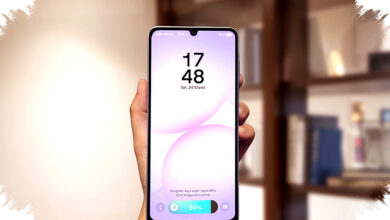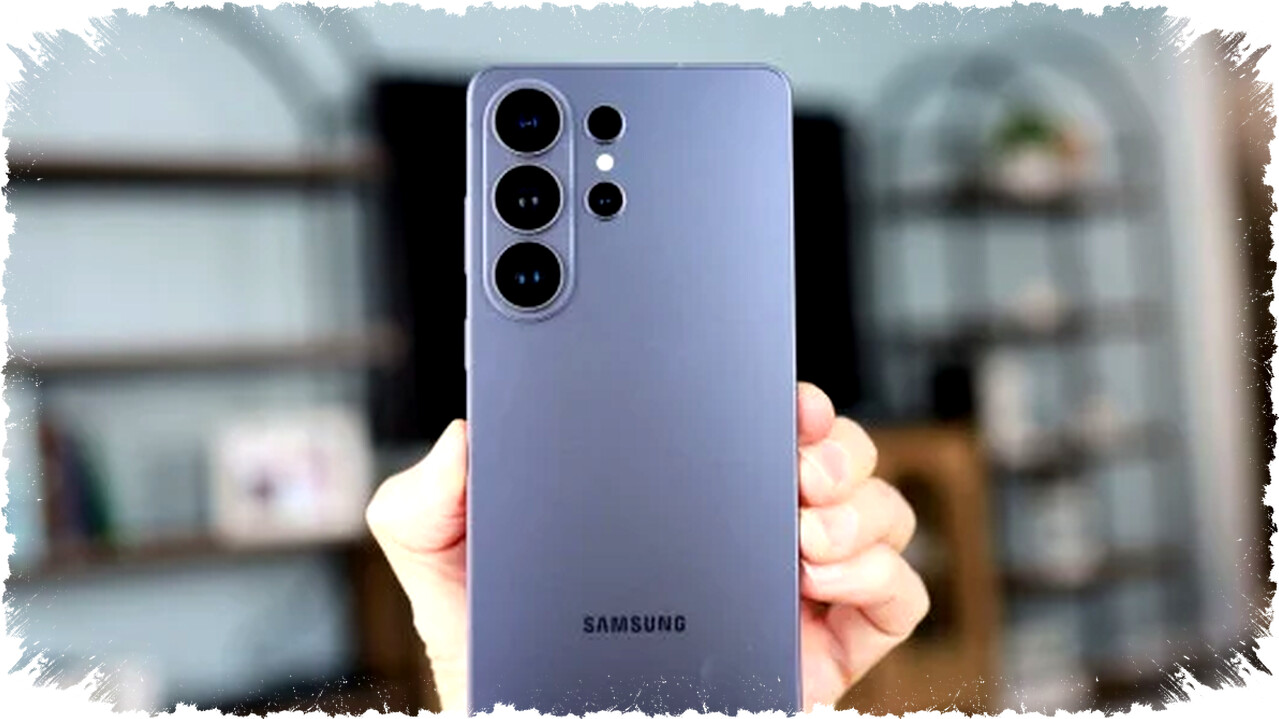
Samsung’s Galaxy S26 series has arrived with notable changes in pricing and features that reshape its flagship lineup dynamics. The standard Galaxy S26 and S26 Plus prices have increased by $100 compared to their predecessors, signaling a shift in Samsung’s market approach. Meanwhile, the Galaxy S26 Ultra holds steady at its previous price point, encouraging buyers to consider the top-tier variant as the best value option.
The base Galaxy S26 now starts at $900, up from last year’s $800 launch price. The S26 Plus similarly climbs to $1,100. These increments may impact consumers’ purchasing decisions, especially as the price gap between the Plus and Ultra models narrows. Each model comes equipped with a minimum of 256GB storage and 12GB RAM, meeting the modern standards for flagship smartphones right out of the box.
Exclusive Features of the Galaxy S26 Ultra

The Ultra remains the centerpiece of the series, distinguished by a suite of exclusive features not found in other models. Samsung introduced the Privacy Display technology for the first time on a smartphone with the S26 Ultra. This innovation limits screen visibility to the user directly in front of the device, enhancing privacy in crowded or public spaces.
Samsung also significantly upgrades the Ultra’s camera system. It sports a 200MP primary sensor and dual telephoto lenses with wider apertures to capture more light and detail. In contrast, the standard and Plus models have received comparatively modest improvements in their camera setups, maintaining a clear hierarchy within the series.
Performance Across the Lineup
All variants of the Galaxy S26 run on Qualcomm’s Snapdragon 8 Elite Gen 5 chipset, underscoring Samsung’s commitment to delivering top-tier performance. This powerful platform boosts processing speed, energy efficiency, and artificial intelligence capabilities, including enhanced Bixby voice assistant functions fueled by advanced AI frameworks like Perplexity and Gemini.
Samsung’s choice to maintain the Ultra’s price while upgrading materials and features appears to be a strategic move to drive consumers toward the premium model. The Ultra uses a high-cost, yet cost-controlled, material mix compared to previous titanium builds, helping the company balance manufacturing expenses without raising prices. This pricing approach creates a compelling economic incentive for buyers seeking the best overall package.
Market Strategy and Consumer Impact
Samsung’s pricing strategy reflects an intent to reposition the Ultra model as the flagship value leader. By raising the prices of the entry-level and Plus models, the company makes the Ultra’s $1,300 price tag more appealing, especially given its advanced capabilities. The relatively small price gap could encourage users to upgrade directly to the Ultra instead of settling for a mid-tier model.
This approach also aligns with growing consumer expectations for premium specifications and exclusive features. Market analysts note that focusing on a standout flagship model helps Samsung maintain competitive dominance against rivals like Apple’s iPhone 17 Pro Max and upcoming premium releases from other manufacturers.
Samsung Galaxy S26 Price Overview
| Model | Launch Price (2025) | Launch Price (2026) | Price Difference |
|---|---|---|---|
| Galaxy S26 | $799.99 | $899.99 | +$100 |
| Galaxy S26 Plus | $999.99 | $1,099.99 | +$100 |
| Galaxy S26 Ultra | $1,299.99 | $1,299.99 | 0 |
The consistent pricing of the Ultra despite its feature enhancements showcases Samsung’s market positioning tactics. Customers weighing their options between the Plus and Ultra models will find value in the Ultra’s superior display and camera tech, pushing it into prime consideration.
In conclusion, Samsung’s new Galaxy S26 lineup presents a clear narrative: the Ultra model is now the standout bargain despite not being the lowest priced. Consumers eager for cutting-edge technology and exclusivity may lean toward the Ultra, while the price hikes on lower-tier models could dampen their appeal. Samsung’s integration of high-end components and privacy-focused innovations illustrates a strategic pivot that will likely shape flagship smartphone trends throughout 2026.