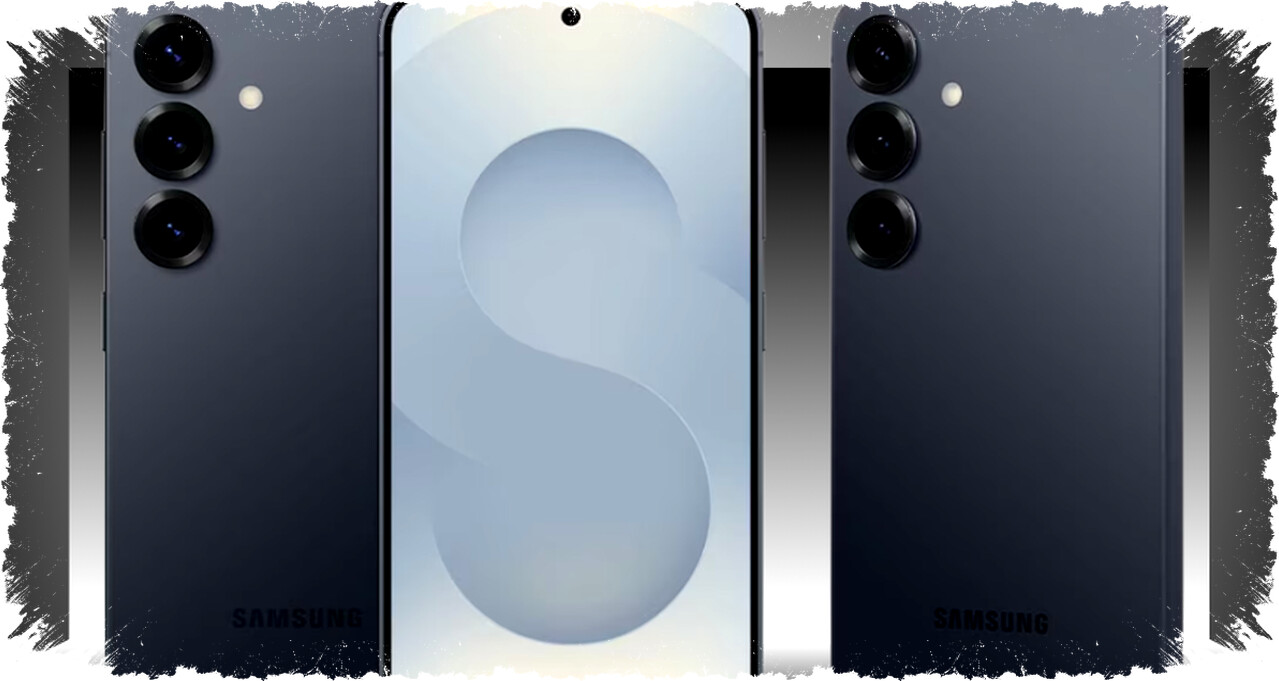
Samsung’s upcoming Galaxy S26 series has officially received the European Union Energy Label ahead of its launch on February 25, 2026. This certification discloses important technical details, particularly about the battery capacity and longevity of the new flagship lineup, comprising the Galaxy S26, S26+, and S26 Ultra.
The EU Energy Label is a mandatory regulation within the European market, intended to provide consumers with clear information on energy consumption and product efficiency. The appearance of the Galaxy S26 series in this registry confirms not only their compliance with these standards but also sheds light on Samsung’s focus on improving battery performance and device durability.
Battery Capacities and Improvements

According to official documents related to the EU energy certification, the Galaxy S26 standard edition is the only variant showing a notable increase in battery capacity compared to its predecessor. It features a measured battery capacity of 4,175 mAh, marketed with a typical capacity rating of 4,300 mAh. This increase signals Samsung’s commitment to enhancing the everyday usability and autonomy of its base model.
The Galaxy S26+ has a measured capacity of 4,755 mAh and is advertised with a typical capacity of 4,900 mAh, paralleling previous generations’ battery specifications. Meanwhile, the Galaxy S26 Ultra is equipped with a measured 4,855 mAh battery, promoted as having a typical capacity of 5,000 mAh. This suggests it continues to deliver flagship-level battery life optimized for power users.
Enhanced Battery Longevity
A significant highlight from the certification is the battery endurance rating. Samsung claims that all three S26 models maintain at least 80% of their initial battery capacity after 1,200 complete charge cycles. This metric is a meaningful improvement over typical smartphone battery durability and points to enhanced battery health management technologies. Users can thus expect longer-lasting battery performance throughout the device’s lifespan.
Certification of Physical Durability
The Galaxy S26 series also upholds Samsung’s standards for physical resilience. Each model carries an IP68 rating, certifying resistance to dust and water ingress. This standard ensures reliable protection in diverse environments, adding to users’ peace of mind during daily activities.
Regarding durability against physical impact, all three devices have earned an “A” rating for drop resistance. This rating reflects rigorous internal testing simulating real-life scenarios where accidental falls are common. However, the repairability of these smartphones has received a “C” rating, indicating moderate ease of repair, consistent with current flagship device trends that balance compact design with serviceability.
Implications for Samsung’s Market Strategy
The information confirmed through the EU Energy Label certification outlines Samsung’s strategic focus on key areas valued by mobile consumers: larger battery life for longer use, improved battery longevity, and robust build quality. By enhancing the base Galaxy S26’s battery capacity, Samsung appears to be addressing feedback from everyday users who prioritize endurance without compromising on device size or weight.
Meanwhile, maintaining strong battery capacities in the S26+ and Ultra models ensures flagship users, who often use their phones for intensive tasks, retain dependable performance. The sustained 80% battery health after extensive charge cycles signifies a shift toward longer usable device lifespans, addressing growing environmental and economic concerns related to electronic waste.
Samsung Galaxy S26 Series Battery Specifications Overview:
| Model | Measured Capacity (mAh) | Typical Capacity (mAh) | Battery Health After 1,200 Cycles |
|---|---|---|---|
| Galaxy S26 | 4,175 | 4,300 | ≥ 80% |
| Galaxy S26+ | 4,755 | 4,900 | ≥ 80% |
| Galaxy S26 Ultra | 4,855 | 5,000 | ≥ 80% |
These specifications highlight subtle but meaningful advancements relative to previous Galaxy S series offerings. The typical capacity ratings serve as manufacturer benchmarks to reflect expected real-world performance.
Looking Ahead to the Official Launch
With the European Energy Label certification solidifying known technical details, attention now turns to Samsung’s official event on February 25. Industry watchers and consumers alike anticipate further revelations around new features, software improvements, camera enhancements, and pricing. Early data paints a picture of a well-rounded flagship series focused on endurance, resilience, and user experience.
As the market for premium smartphones becomes increasingly competitive, Samsung’s emphasis on battery capacity upgrades and battery cycle longevity may give the Galaxy S26 lineup an edge. Energy efficiency, robust durability ratings, and user-centered hardware improvements remain key differentiators that potentially boost consumer confidence in Samsung’s latest offering.
This certification-oriented transparency also aligns with growing consumer demand for detailed product information and environmentally conscious choices. Samsung’s disclosure of realistic battery aging and sustainability parameters sets an example for responsible product development and marketing within the smartphone industry.
The Galaxy S26 series is poised to extend Samsung’s legacy in the flagship segment by balancing innovation with reliable performance metrics validated by independent standards such as the EU Energy Label. As official launch day approaches, buyers can expect a blend of trusted quality improvements and new technologies tailored to modern mobile lifestyles.