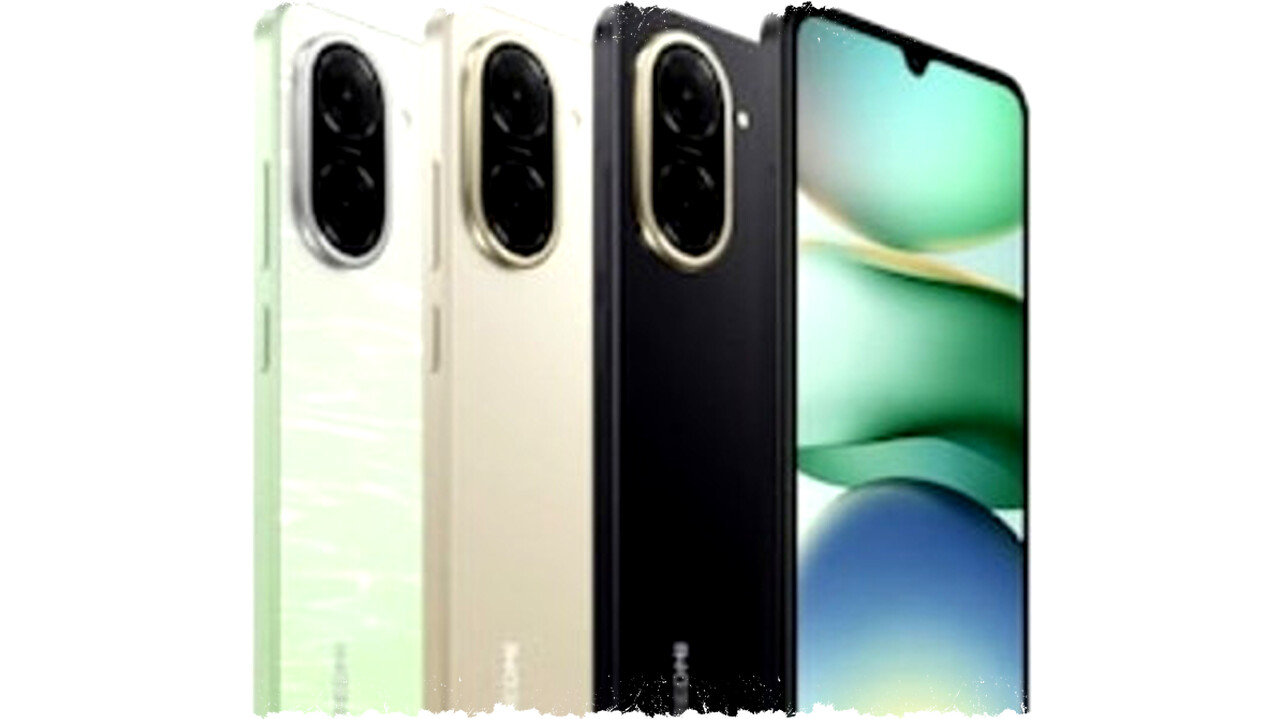
Xiaomi appears to be gearing up for the launch of its new entry-level smartphone lineup. Following the earlier certification of the Redmi A7 Pro by various global regulatory bodies, the Redmi A7 has now surfaced in the database of Thailand’s NBTC. This certification signals that the Redmi A7’s official debut might be imminent.
The NBTC documents list the device under the model number 26020RNB4A with certificate number B38097-26. These records verify the official name of the phone and confirm its support for GSM, WCDMA, and LTE networks. Notably, the absence of 5G connectivity suggests Xiaomi is targeting budget-conscious consumers with this device. The certification also reveals that the Redmi A7 will be manufactured in China, although it does not disclose detailed hardware specifications.
Technical Specifications and Possible Features

The Redmi A7 is rumored to share many specifications with the Poco C81 Pro, which also appeared in the NBTC certification database but under a different model number. If these assumptions hold true, the Redmi A7 could be seen as an upgrade over the Redmi A5, featuring a larger display and a more powerful battery.
Reports indicate the Redmi A7 will sport a 6.9-inch LCD panel with an HD+ resolution and a smooth 120Hz refresh rate. Under the hood, it is expected to be powered by the Unisoc T7250 chipset. The phone will likely come equipped with 4GB of RAM and up to 128GB of internal storage. To support extended usage, a large 6,000 mAh battery is rumored, paired with 15W fast charging technology. This battery capacity and charging speed are quite substantial for the affordable smartphone segment.
Certification Trends and Market Positioning
The appearance of the Redmi A7 follows closely behind the detection of its sibling, the Redmi A7 Pro, in multiple certification agencies worldwide. These include TDRA in the United Arab Emirates, the FCC in the United States, NBTC in Thailand, and Indonesia’s SDPPI database. The coordinated certification activities across various regions typically indicate that Xiaomi is preparing for the product launch in the near future.
Though Xiaomi has yet to confirm an official release date for the Redmi A7 and Redmi A7 Pro, the widespread regulatory approvals strongly imply an imminent unveiling. If launched together, this new Redmi A series could offer compelling value propositions with large displays, jumbo batteries, and upgraded specifications aimed at budget users.
Key Highlights of Redmi A7:
- Model: 26020RNB4A certified by NBTC.
- Network: Supports GSM, WCDMA, LTE; no 5G support.
- Display: 6.9-inch HD+ LCD with 120Hz refresh rate.
- Processor: Unisoc T7250 chipset.
- Memory & Storage: 4GB RAM, up to 128GB internal storage.
- Battery: 6,000 mAh capacity, 15W fast charging.
- Build: Manufactured in China.
- Market: Positioned as an affordable entry-level smartphone.
The Redmi A7’s specs suggest Xiaomi is targeting users seeking long battery life and a smooth display experience without the premium cost. Its large battery and high-refresh-rate screen are features usually reserved for higher-tier phones, making it a strong contender in the budget smartphone category.
As Xiaomi continues expanding its Redmi series, devices like the Redmi A7 may help the company maintain its strong market share in emerging markets. The use of a Unisoc chipset instead of more common Qualcomm or MediaTek processors also suggests Xiaomi’s strategy to balance performance and cost efficiency.
Consumers looking for an affordable smartphone with a large battery and decent specs should watch for official launch announcements in the coming weeks. The Redmi A7 is shaping up to be a practical choice for everyday users who prioritize battery endurance and screen size over high-end features such as 5G connectivity.
With the Redmi A7 passing critical regulatory hurdles, anticipation builds around its pricing and availability. If Xiaomi can price it competitively, this device could easily attract budget-conscious buyers globally, especially in regions where 5G adoption is still growing and LTE networks remain dominant.