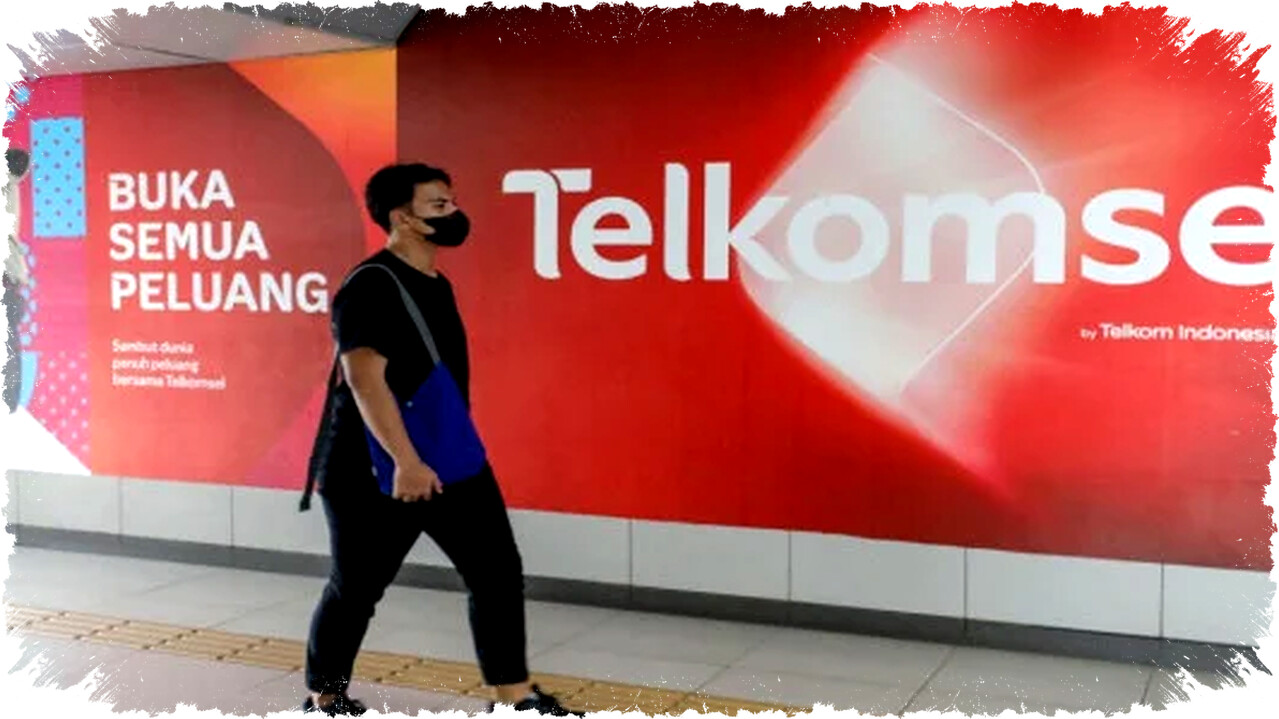
PT Telekomunikasi Selular (Telkomsel) has officially responded to the ongoing Constitutional Court (MK) case challenging the policy of internet data quota expiration, commonly known as "kuota internet hangus." The operator confirmed that it will comply with whatever legal decisions are issued by the court. Telkomsel is currently in a "wait and see" stance, closely monitoring the developments of the judicial process.
Abdullah Fahmi, Vice President of Corporate Communications & Social Responsibility at Telkomsel, explained the company’s position amid the legal debate. He pointed out that a mandatory rollover or accumulation policy for unused data quotas could significantly affect the overall business model of all telecom operators in Indonesia. Despite this, Telkomsel claims to have already implemented rollover features in certain data products tailored to specific customer segments.
Telkomsel’s Strategy on Data Quota Expiry Lawsuit


Fahmi detailed that Telkomsel designs various data packages to meet the diverse consumption needs of users. According to him, unused data often results from customers purchasing packages that exceed their actual internet usage. Telkomsel believes that maintaining data expiration terms is part of managing product variety and usage patterns effectively.
He further emphasized that internet data packages differ fundamentally from other prepaid products like electricity tokens. Data quota, by regulation, carries a limited validity period, starting from the date of purchase. Fahmi illustrated this by comparing expiring data to medicines or amusement park tickets: their benefits expire after a certain period regardless of whether they are fully used.
Legal and Operational Distinctions in Expiring Data Quotas
The core legal premise behind enforcing expiration policies on data quotas is that these products are services with time-sensitive attributes rather than indefinite entitlements. Telkomsel stresses that rollover is a feature offered selectively and is not a regulatory standard for all data packages. This business approach allows operators to balance network resource allocation and investment returns.
Potential Effects of Mandatory Rollover on Tariffs and Network Quality
The Ministry of Communication and Informatics of Indonesia, represented by Director General of Digital Infrastructure Wayan Toni Supriyanto, has weighed in during the MK hearings. He warned that enforcing mandatory rollover could lead to substantial additional costs for operators. These expenses might, in turn, result in higher internet tariffs, which would impact affordability for consumers.
Moreover, continued accumulation of unused quotas is likely to increase network congestion, possibly causing a decline in overall internet service quality for users. Telecom infrastructure operates within finite capacity constraints that require dynamic management to ensure stable connections and reasonable prices.
Wayan Toni Supriyanto highlighted three key concerns regarding compulsory rollover implementation:
- Increased operational costs due to the need for expanded network capacity.
- Possible tariff hikes as operators seek to balance cost recovery.
- Network congestion risks leading to degraded user experience.
Given these factors, the government advocates maintaining quota validity periods as a mechanism to sustain infrastructure investment and price competitiveness in the telecom market.
Current Telkomsel Offerings with Rollover Features
While Telkomsel opposes a universal mandatory rollover rule, it asserts that some of its existing products already include rollover options. These are designed to cater to users requiring flexible data management. The company maintains that continued innovation in package design is essential to serve various customer preferences without compromising operational sustainability.
Telkomsel’s communication highlights that internet quota expiration aligns with international practices where time-limited data use helps optimize network resource use. This approach ensures that capacity remains available for active users and that investment in network expansion can be recouped without excessive tariff increases.
Waiting for the Constitutional Court Decision
As the MK deliberates on this important case, Telkomsel and other operators remain vigilant regarding the implications of the ruling. The court’s decision will set a precedent impacting both consumer rights and telecommunications industry operations in Indonesia.
Telkomsel’s measured wait-and-see attitude reflects its readiness to adapt to new regulations while emphasizing the importance of sustainable business models. The company continues to engage in dialogue with regulators and the government to develop policies that balance consumer protection and industry health.
In summary, Telkomsel acknowledges the concerns raised by the lawsuit on internet data quota expiration but stresses the complexity involved in mandating rollover features. The company’s current stance shows a commitment to complying with legal decisions while maintaining service quality and reasonable pricing for millions of Indonesian users.