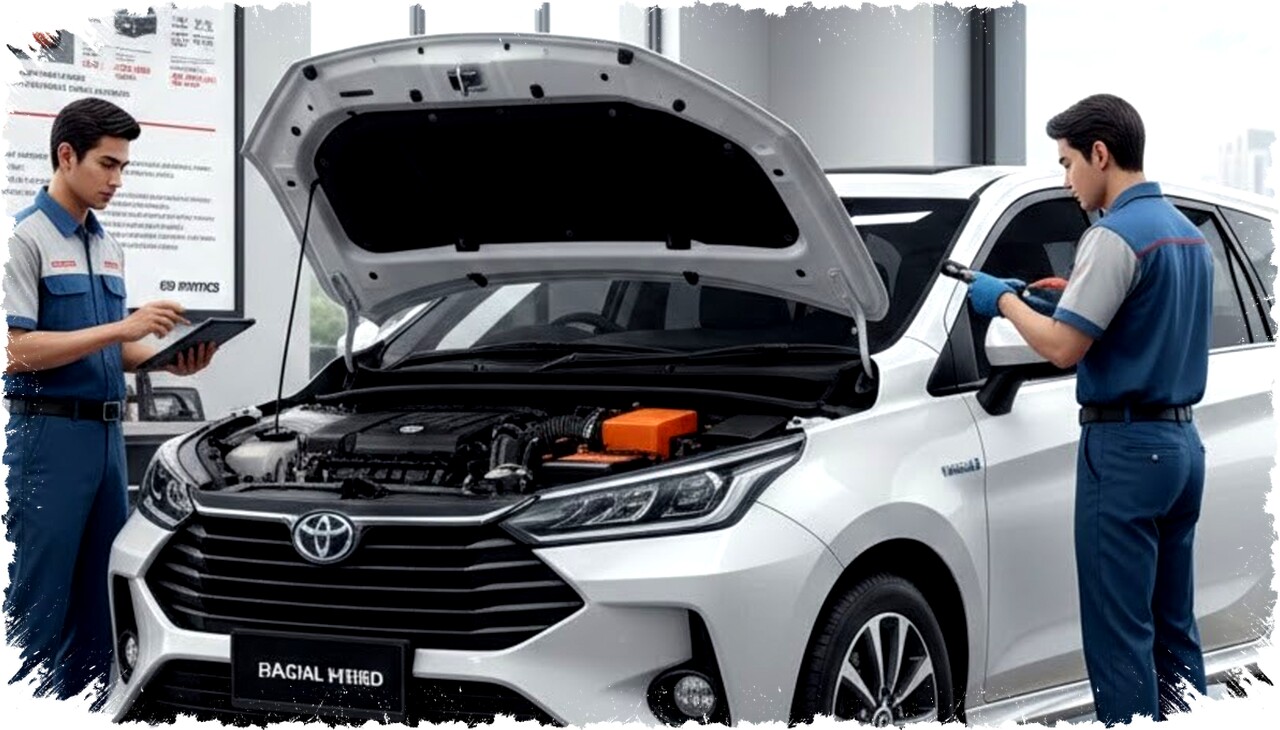
Many potential hybrid vehicle buyers often worry about maintenance costs. They commonly assume that advanced technology automatically leads to higher servicing expenses.
However, this concern does not always hold true, especially with models like the Toyota Veloz Hybrid. This vehicle is engineered with systems that reduce the workload on its gasoline engine, which can extend the lifespan of certain components.
Early Service Intervals: 0 to 10,000 km


During the first 10,000 kilometers, maintenance remains relatively light. Technicians typically check the hybrid electrical system, battery condition, engine oil, air filter, and regenerative braking system. The components replaced at this stage are mostly standard consumables such as oil and filters.
Service costs for this initial period usually fall between approximately $7 and $70, depending on the authorized workshop’s location. This cost range is comparable to the gasoline variant since the hybrid-specific parts require minimal intervention at this stage.
Midlife Maintenance: 20,000 km
At the 20,000 km checkpoint, service includes cleaning the hybrid battery’s cooling filter. This component plays a crucial role in maintaining the battery’s temperature stability. If the filter becomes dirty or clogged, the battery’s performance can decrease, leading to higher fuel consumption.
This additional task causes hybrid service costs to be slightly higher than those for the gasoline model, but the difference remains relatively small. The preventive cleaning helps sustain overall system efficiency.
30,000 km Inspection
By 30,000 km, maintenance requires replacing the cabin filter, checking the inverter cooling system, and running diagnostics on the hybrid energy management software. Hybrid vehicles rely on sophisticated electronics that must be regularly scanned with specialized tools.
These diagnostic checks contribute to increased operational costs compared to conventional cars. However, this expense reflects system complexity rather than component failure frequency.
The 40,000 km Mark
At this stage, mechanics replace oil and filters and thoroughly assess the condition of the brakes integrated with the regenerative system. Interestingly, brake pads on hybrid vehicles tend to wear out more slowly because the electric motor assists in braking.
This factor helps offset higher costs from hybrid system inspections, keeping overall expenses balanced. The combination of conventional and electric braking aids prolongs brake component life and reduces replacement frequency.
Major Service at 50,000 km
The significant service at 50,000 km involves replacing various important fluids, cleaning the battery cooling system again, and calibrating key hybrid components. This maintenance stage naturally incurs higher charges than previous routine services.
While the cost is elevated, it remains reasonable for a vehicle equipped with electrification technology. The maintenance ensures that hybrid parts continue functioning optimally over the long term.
Comparing Hybrid and Gasoline Maintenance Costs
Overall, cumulative service fees for the Veloz Hybrid up to 50,000 km tend to be just marginally greater than those for the gasoline model. The small cost premium aligns with the hybrid model’s superior fuel efficiency and extended component durability.
Savings on fuel expenditure often compensate for this difference, enabling owners to achieve better value over time. Efficient driving habits, such as avoiding sudden acceleration and regularly cleaning the battery cooling filter, further optimize operational costs.
Driving Habits Impacting Maintenance Costs
How one drives significantly influences service expenses. Selecting fuel-saving modes and routine preventive maintenance can reduce the risk of costly repairs later. Understanding hybrid system requirements encourages owners to maintain optimal vehicle condition affordably.
The Evolving Outlook on Hybrid Maintenance
Hybrid vehicles like the Toyota Veloz are no longer niche options with prohibitive service needs. With knowledgeable handling, their maintenance costs remain manageable and justified by environmental and economic benefits.
Prospective hybrid buyers should consider detailed cost structures early on. This insight supports informed decisions and maximizes long-term ownership advantages amid the ongoing shift toward electrified mobility.