


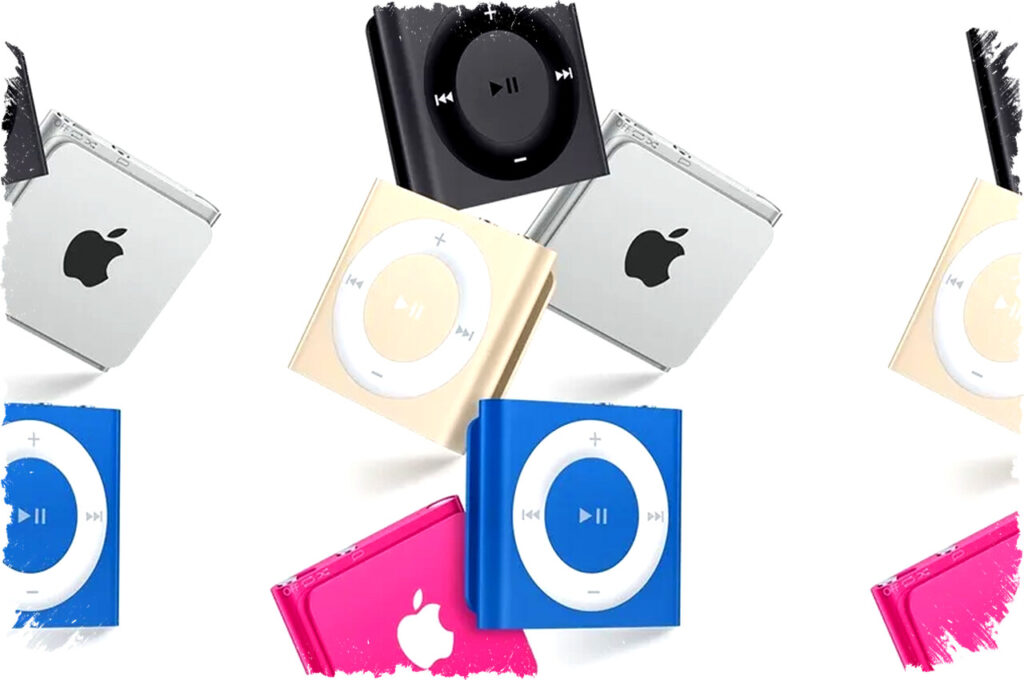
The Apple iPod, a once-iconic music player, officially ceased production in 2022. Despite this, it has seen a resurgence, particularly among Generation Z, those born from 1997 to 2012. This trend raises significant questions: Is this a wave of nostalgia, or a new form of digital detox?
Recent data from Axios reveals a notable increase in Google searches for “Original iPod” and “iPod Nano” throughout 2025. Although exact figures are not specified, industry experts consider this rise substantial enough to warrant attention. This renewed interest also reflects in online marketplaces, where eBay reports a 25% increase in searches for iPod Classic and a 20% increase for iPod Nano between January and October 2025 compared to the previous year.
Simplicity Drives Popularity
A key factor in this trend is the iPod’s simplicity. Survey results from December 2025, conducted by music analyst Emily White, show that 32% of Gen Z respondents use older music devices such as iPods to listen to music. Unlike smartphones packed with social media apps, notifications, and endless internet access, the iPod serves a single purpose: playing music.
Cal Newport, a professor at Georgetown University, explains that this focused experience is appealing. Devices like the iPod eliminate digital distractions, providing an immersive way to enjoy music. For many young users, this simplicity is an intentional escape from the fast-paced, notification-heavy online environment.
A Listening Experience Free from Algorithms
Another compelling reason for the iPod’s revival lies in its independence from music recommendation algorithms. Streaming services like Spotify and YouTube Music tailor playlists based on listening history, which some users find diminishing to their personal taste. On an iPod, users manually select and load their music, making their playlists a true reflection of individual preferences.
This preference aligns with the lifestyle trend known as friction-maxxing. It describes a deliberate choice to use less convenient or older technology to reduce dependency on modern devices. This movement helps users reclaim control over their digital habits and avoid passive consumption driven by algorithms.
Digital Detox Through Music
Many Gen Z users describe the act of using iPods as a form of digital detox. This practice involves reducing exposure to screens, notifications, and internet distractions that can negatively affect focus and mental health. Listening to music on an iPod offers a quieter, more mindful experience akin to the pre-smartphone era of cassettes and CDs.
This shift also signals a behavioral change in younger demographics. Traditionally seen as digital natives deeply connected to smart gadgets, some members of Gen Z now seek balance through simpler technology and conscious digital habits.
Streaming Continues to Dominate
It is important to clarify that the iPod’s growing popularity does not suggest a decline in music streaming services. According to a report referenced by KompasTekno from DigitalTrends, the global music streaming market continues to expand. Mordor Intelligence projects its value will rise from $23.18 billion in 2025 to $25.12 billion in 2026, and further to $37.58 billion by 2031.
This demonstrates that platforms like Apple Music remain the foundation of modern music consumption. Gen Z appears to integrate both streaming and traditional devices, using streaming for convenience and iPods for focused listening sessions without distractions.
Nostalgia and Modern Identity
The iPod’s resurgence also reflects a broader cultural trend: nostalgia for older technology among youth who often didn’t live through its original era. For many young users, the iPod’s retro aesthetic and distinct user experience offer an appealing alternative to the homogenized look and feel of today’s smartphones.
Within the digital culture context, the iPod has evolved beyond a music player. It symbolizes a lifestyle that blends vintage aesthetics with digital mindfulness and a slower, more intentional pace of technology use.
Though discontinued, the iPod’s relevance endures. For Generation Z, it represents a subtle resistance to algorithmic dominance and relentless digital engagement. The device provides a means for digital detox, a source of nostalgia, and an emblem of an emerging balanced approach to technology consumption.
This increasing demand for older tech like the iPod suggests the future of technology is not solely about constant innovation. Sometimes, the simplicity and focused functionality of past devices meet contemporary needs more effectively than the latest advances.