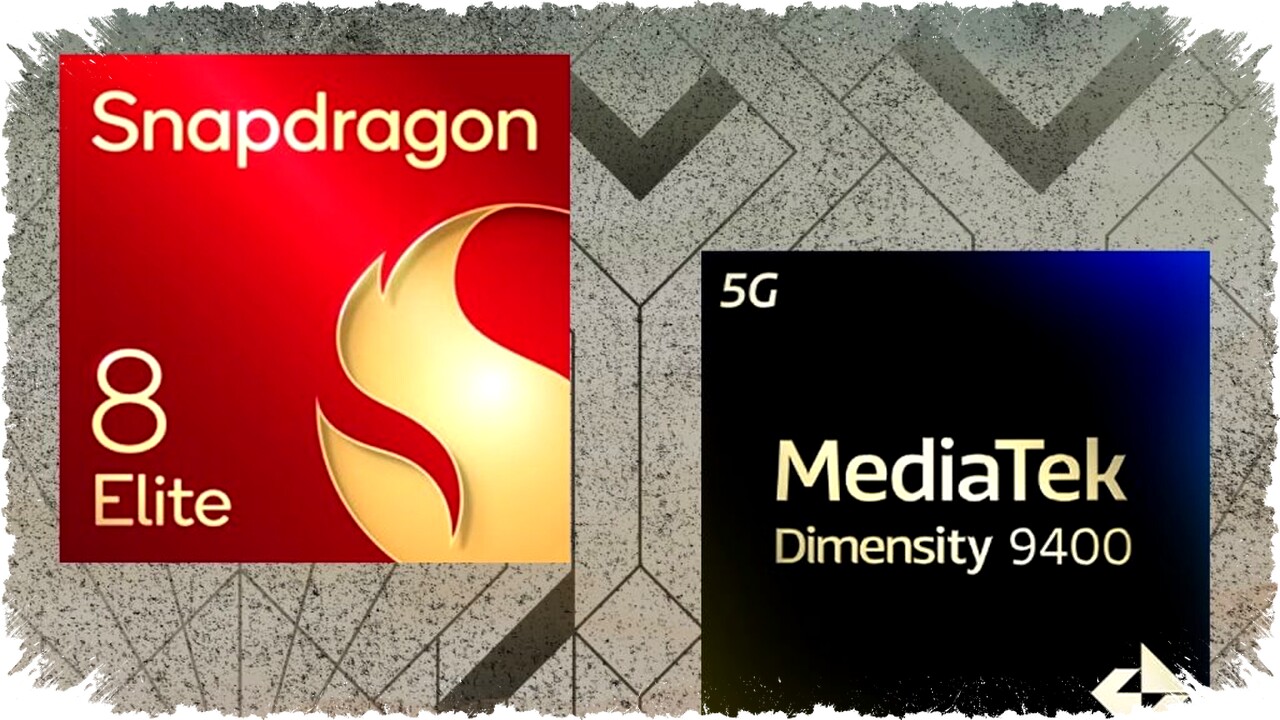
MediaTek Dimensity 9500 and Qualcomm Snapdragon 8 Elite represent two of the latest and most advanced chipsets powering flagship smartphones in 2026. These processors are benchmarks for performance, efficiency, and cutting-edge technology, making them hotly debated among tech enthusiasts and mobile users alike. This comparison focuses on their architecture, benchmark performance, gaming capabilities, supporting technologies, camera functionalities, and connectivity features providing a comprehensive view of what they offer.
Architecture and Manufacturing Process
The Dimensity 9500 utilizes TSMC’s 3nm N3P manufacturing process, which offers slight efficiency advantages over the Snapdragon 8 Elite’s N3E process node. The Dimensity 9500 is equipped with an octa-core ARM CPU featuring one powerful Cortex-X3 Ultra core clocked at 4.21 GHz, supported by a Mali-G710 Ultra MP12 GPU. Meanwhile, Snapdragon 8 Elite features eight CPU cores as well, but with a second-generation Qualcomm Oryon core pushed up to 4.32 GHz and paired with the Adreno 830 GPU known for its advanced architectural design enhancements.


Benchmark and Performance Tests
According to Geekbench 6 benchmarks, the Dimensity 9500 outperforms in both single-core and multi-core performance, scoring 3,452 and 10,128 respectively. This is notably 13% and 9% higher than the Snapdragon 8 Elite’s 3,047 and 9,286 scores. Such numbers suggest devices running on the Dimensity 9500 will exhibit more responsiveness in everyday multi-threaded and single-threaded workloads.
AnTuTu v11 benchmarks also demonstrate the Dimensity 9500’s superior overall score of approximately 3,622,840 points. This figure triumphs by 22% over the Snapdragon 8 Elite’s 2,981,542 points, largely driven by the 25% stronger GPU performance of the Dimensity’s Mali-G710 Ultra, which scored 1,364,441 compared to the Adreno 830. Memory and UX improvements further highlight Dimensity’s smoother multitasking and app handling.
For gaming performance, 3DMark Wild Life Extreme test shows the Dimensity 9500 achieving both a peak score of 7,163 and a sustained minimum of 4,230. These results are 49% and 17% better than corresponding Snapdragon scores, signaling better gaming frame rate stability during prolonged sessions on the MediaTek chipset.
Gaming Technologies and AI Features
Dimensity 9500 integrates MediaTek’s HyperEngine Gaming Technology, which supports ray tracing at 120 frames per second to enhance visual fidelity and deliver a smoother gaming experience. Snapdragon 8 Elite counters with hardware-accelerated ray tracing and Snapdragon Elite Gaming features that optimize graphical quality and performance.
Both chipsets include sophisticated NPUs: the MediaTek NPU 990 and Qualcomm’s Hexagon NPU respectively. These neural processing units enhance AI workloads, such as camera improvements, system optimizations, and AI-based features, resulting in smarter and faster device operation.
Camera Support and Imaging Capabilities
Dimensity 9500 is armed with the Imagiq 1190 ISP that supports sensors up to 320 megapixels and 8K video recording. It also offers advanced video stabilization with electronic image stabilization (EIS) for 4K at 120fps capture. Snapdragon 8 Elite carries a triple 18-bit ISP design with AI-driven enhancements like zero shutter lag, auto-exposure, and super-resolution video technology, working with sensor cameras also up to 320MP.
Connectivity Advances
Qualcomm’s Snapdragon 8 Elite features the Snapdragon X80 5G modem capable of peak 10 Gbps download and 3.5 Gbps upload speeds. In comparison, MediaTek’s chipset uses a Release-17 5G modem achieving 7.4 Gbps download speeds. However, Dimensity 9500 excels with faster Wi-Fi 7 support that reaches 7.3 Gbps, outperforming Snapdragon’s Wi-Fi 7 top speed of 5.8 Gbps. These aspects make Dimensity highly attractive for users focusing on next-generation wireless connectivity standards.
Summary Table of Key Specifications
| Feature | Dimensity 9500 | Snapdragon 8 Elite |
|---|---|---|
| Process | TSMC 3nm N3P | TSMC 3nm N3E |
| CPU | 1x Cortex-X3 Ultra @ 4.21 GHz + 7 cores | 1x Oryon 2nd gen @ 4.32 GHz + 7 cores |
| GPU | Mali-G710 Ultra MP12 | Adreno 830 |
| Geekbench 6 (Single/Multi) | 3,452 / 10,128 | 3,047 / 9,286 |
| AnTuTu v11 Total Score | 3,622,840 | 2,981,542 |
| 3DMark Wild Life Extreme | 7,163 (peak) / 4,230 (sustained) | Lower scores |
| AI Processor | MediaTek NPU 990 | Qualcomm Hexagon NPU |
| ISP | Imagiq 1190, up to 320MP sensor | Triple 18-bit ISP, up to 320MP |
| Video Support | 8K video, 4K@120fps, EIS | AI features, zero shutter lag |
| 5G Modem | Release-17 5G, 7.4 Gbps download | Snapdragon X80, 10 Gbps download |
| Wi-Fi | Wi-Fi 7, 7.3 Gbps | Wi-Fi 7, 5.8 Gbps |
| Gaming Features | HyperEngine Gaming, ray tracing 120 FPS | Elite Gaming, hardware ray tracing |
Overall, both MediaTek Dimensity 9500 and Qualcomm Snapdragon 8 Elite bring compelling strengths for flagship devices in 2026. Dimensity 9500 notably leads in benchmark scores, GPU strength, and Wi-Fi throughput, offering excellent performance for gaming and multitasking workloads. Snapdragon 8 Elite’s advantages lie in higher clock speed CPU cores and slightly faster 5G modem speeds. Users prioritizing gaming frame rate stability and power-efficient processing may lean towards Dimensity. Meanwhile, those needing cutting-edge connectivity alongside balanced performance would find Snapdragon 8 Elite suitable.
This comparison provides clear insights for buyers and enthusiasts seeking to understand which chipset fits their usage patterns best. Both chipsets are defining the current mobile processor landscape with their unique blends of power, efficiency, and features.