Samsung aims to fully transform all its global manufacturing plants into AI-driven factories by 2030. This ambitious roadmap marks a significant leap beyond the traditional automation commonly used in modern electronics manufacturing. The company’s vision centers on harnessing agentic AI technology, enabling production systems to make autonomous, precise decisions independently.
Agentic AI differs from standard artificial intelligence by its ability to plan and execute complex tasks without human intervention to meet specific operational goals. Samsung introduced this concept to consumers with its Galaxy S26 product line and is now extending it to its factory floors. The integration of agentic AI is expected to significantly boost operational efficiency while reducing long-term production costs through smarter, adaptive systems.
Wide Deployment of Industrial Robots
Samsung plans to gradually expand its use of industrial robots, categorizing them into three main types. First are operational robots that oversee and control the entire production line and factory facilities. The second category includes logistics robots tasked with transporting materials within the factory premises. Third, assembly robots handle manufacturing processes requiring high precision.
This robotic segmentation ensures synchronized workflows across all factory operations, minimizing human intervention and enhancing overall productivity. By 2030, Samsung envisions these robots working seamlessly under AI control, streamlining complex manufacturing tasks.
Humanoid Robots’ Strategic Role
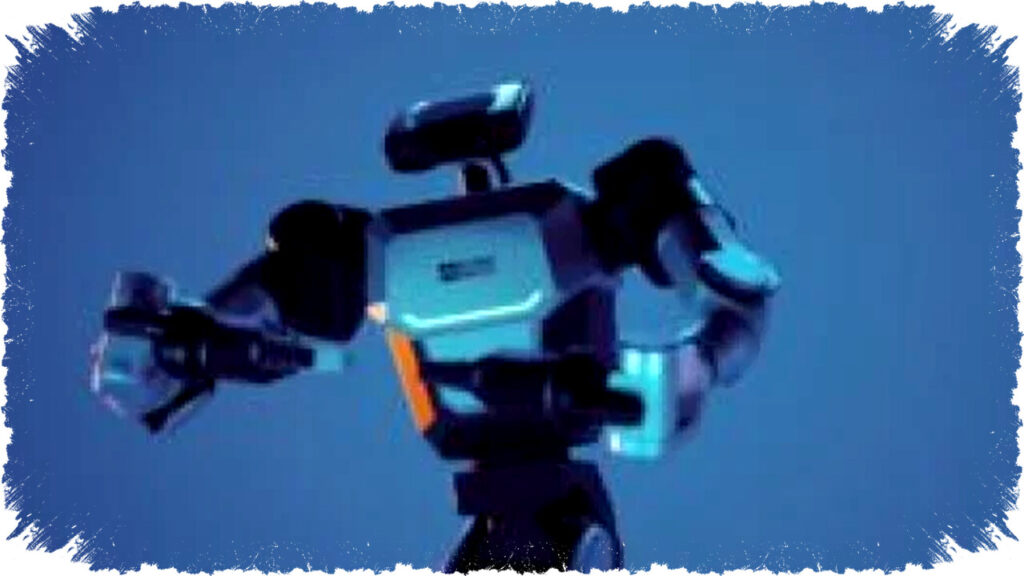
A focal point of Samsung’s strategy is the deployment of humanoid robots, particularly the RB-Y1 model developed by Rainbow Robotics. Samsung has increased its stake in Rainbow Robotics, integrating it as a strategic unit within its group. The RB-Y1 features advanced mobility with wheels and dual arms, allowing it to perform sophisticated tasks requiring dexterity comparable to human hands.
The RB-Y1’s flexibility makes it well-suited for dynamic manufacturing environments with frequent changes in production lines. This humanoid robot is intended to optimize both assembly and logistical operations, elevating the precision and speed of production processes while addressing labor shortages and increasing wage pressures.
The Future of Smart Manufacturing
Samsung is not alone in pursuing AI-driven manufacturing innovations, as many global manufacturers are exploring humanoid and autonomous robotics to tackle rising labor costs and supply chain complexities. However, deploying reliable, cost-effective systems at scale across dozens of factories worldwide remains a daunting challenge.
Currently, Samsung is focused on mapping out this transformation journey rather than presenting final solutions. The successful transition to AI-powered factories depends heavily on how effectively these technologies can be integrated into live production lines. Samsung’s bold ambitions set a clear direction for the manufacturing sector, while the broader industry watches closely to see how these plans materialize.
Key milestones in Samsung’s AI-driven factory roadmap include:
- Full conversion of all global manufacturing plants to AI control by 2030
- Deployment of agentic AI systems for autonomous decision-making
- Expansion of three categories of industrial robots—operational, logistics, and assembly
- Integration of advanced humanoid robots like RB-Y1 for complex tasks
- Ongoing investment and strategic partnerships with robotics companies such as Rainbow Robotics
With these initiatives, Samsung aims to reshape production efficiency and cost structure fundamentally. Such an evolution could set new industry standards and spur further innovation across electronic manufacturing worldwide. As Samsung leads the way, the coming decade will be pivotal in proving whether AI-driven factories can deliver on their promise at a global scale.