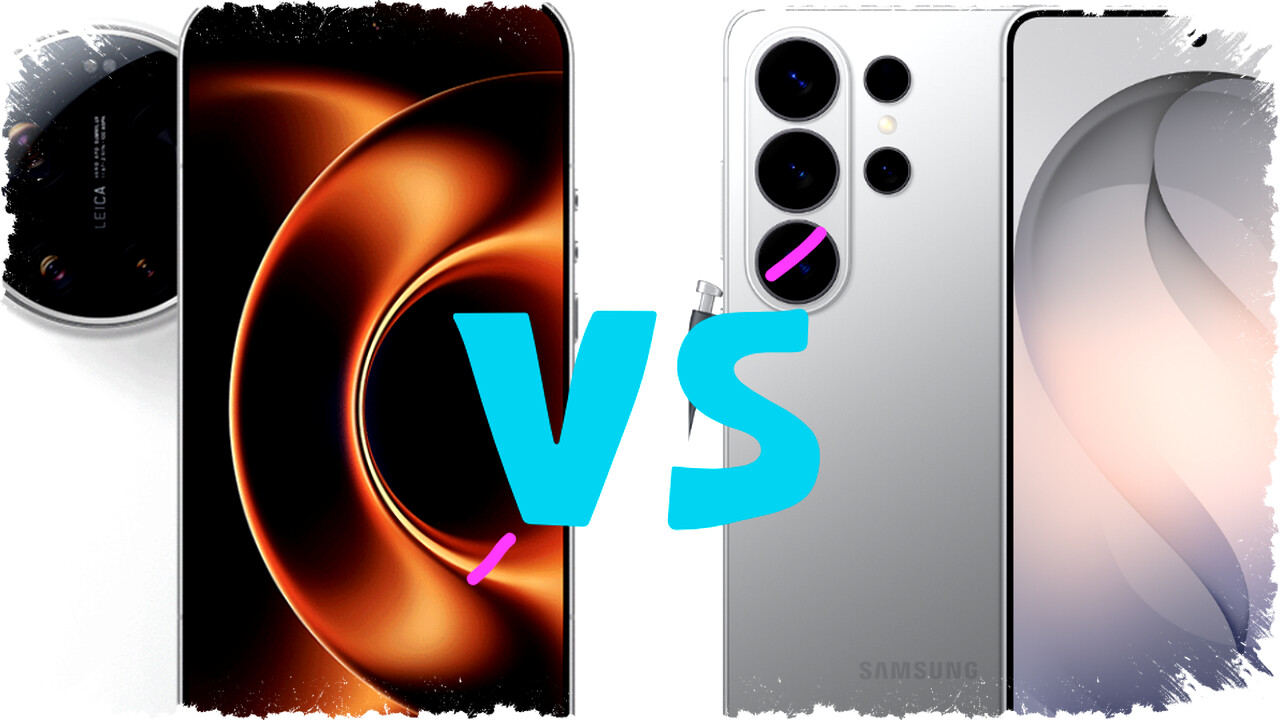
The Indonesian premium smartphone market in March 2026 is witnessing a heated competition between two flagship heavyweights: the Samsung Galaxy S26 Ultra and the Xiaomi 17 Ultra. This showdown is more than a specification race; it reflects a clash of two core philosophies. Samsung leans on its matured Galaxy AI ecosystem and productivity features like the S-Pen. Xiaomi counters with superior Leica optics and blazing fast charging technology.
Samsung Galaxy S26 Ultra impresses with its AI integration, anti-reflective Gorilla Armor screen, and long-term software support. Meanwhile, Xiaomi 17 Ultra leads in camera sensor quality and ultra-fast 120W charging. Each phone appeals to a slightly different user segment, making this comparison essential for buyers aiming for the best flagship in 2026.
Design and Display: Durable Gorilla Armor vs Futuristic Liquid Curved


Samsung retains its iconic functional design with a flat 6.9-inch Dynamic AMOLED 2X screen protected by next-gen Gorilla Armor glass. This reduces glare by up to 80% and can reach a peak brightness of 3,200 nits, ideal for outdoor use. The built-in S-Pen remains a unique productivity tool for professional users who value note-taking and precise input.
Conversely, the Xiaomi 17 Ultra goes for an artistic look featuring a 6.8-inch C9 BOE All-around Liquid Curved panel. Its four-sided curved edges provide an immersive visual experience with minimal mistouches. The phone also uses PWM Dimming at 3,840Hz, enhancing eye comfort in dark environments more effectively than Samsung’s display.
Performance: Optimized Snapdragon 8 Gen 5 and Ecosystem Integration
Both devices run on the Snapdragon 8 Gen 5 chipset built on a 3nm process but tuned differently. Samsung uses the "For Galaxy" variant, offering higher clock speeds to support heavy multitasking on One UI 8. A highlight is Galaxy AI’s real-time video translation and intelligent document automation, refining user productivity.
Xiaomi’s 17 Ultra integrates HyperOS, optimized for seamless interoperability with Xiaomi’s electric vehicle ecosystem, including the SU7 EV. Gamers will appreciate its Dual-Ice Loop cooling system, which keeps the phone’s temperature stable during extended gameplay, giving it a slight edge in thermal management.
Camera Battle: 200MP AI Zoom vs Professional Leica 1-inch Sensor
Samsung’s camera setup centers around an evolved 200MP main sensor enhanced by AI for sharper images and a powerful 100x Space Zoom feature. It supports smooth 8K video stabilization, maintaining its reputation for high-quality multimedia capture.
For photography purists, Xiaomi 17 Ultra is the winner. It uses the Sony LYT-900 1-inch main sensor combined with Leica Summilux optics. This delivers natural dynamic range and realistic depth-of-field that algorithms typically cannot replicate. The dual-periscope zoom system offers artistic focal lengths at 75mm and 120mm, enhancing portrait photography with distinct character.
Battery and Charging: Conservative Longevity vs Ultra-Fast Power
Samsung opts for a balanced approach with its 5,000mAh battery and 45W charging. Samsung argues this protects battery health for 5 to 7 years, favoring long-term device reliability over charging speed.
Xiaomi takes an aggressive stance by delivering a 5,500mAh battery with 120W HyperCharge technology. This allows a full charge in under 20 minutes, transformational for users needing instant power replenishment throughout the day.
Side-by-Side Spec Comparison
| Feature | Samsung Galaxy S26 Ultra | Xiaomi 17 Ultra |
|---|---|---|
| Display | 6.9" Dynamic AMOLED 2X, Gorilla Armor | 6.8" C9 BOE Liquid Curved |
| Chipset | Snapdragon 8 Gen 5 "For Galaxy" | Snapdragon 8 Gen 5 |
| RAM/Storage | Up to 16GB / 1TB | Up to 16GB / 1TB |
| Rear Cameras | 200MP + 50MP + 10MP + 12MP | 50MP (1-inch) + 50MP + 50MP + 50MP |
| Optics | Samsung AI Imaging | Leica Summilux |
| Battery & Charging | 5,000mAh / 45W | 5,500mAh / 120W |
| Key Features | S-Pen, Galaxy AI, 7 Years Updates | Leica Optics, SU7 EV Integration |
Pricing and Availability in Indonesia
The Samsung Galaxy S26 Ultra is priced starting at about 1,700 USD (Rp25,999,000). Xiaomi 17 Ultra offers a more competitive price range between roughly 1,300 to 1,430 USD (Rp19,999,000 to Rp21,999,000). Both are expected to launch officially in Indonesia by mid-March 2026.
Choosing the Right Flagship
Selecting between these top-tier Android devices depends on your priorities. Favor Samsung’s Galaxy S26 Ultra if productivity and longevity matter most. It excels with its sophisticated AI features, S-Pen integration, and extensive software updates over seven years.
Opt for Xiaomi 17 Ultra if photography and charging speed are your focus. Its superior Leica optics and rapid charging can fundamentally transform your smartphone usage patterns. Also, its futuristic curved display design appeals to those who prioritize aesthetics and eye comfort.
Each flagship stands as a formidable option for 2026, defined by distinct strengths tailored to user preferences and lifestyles.