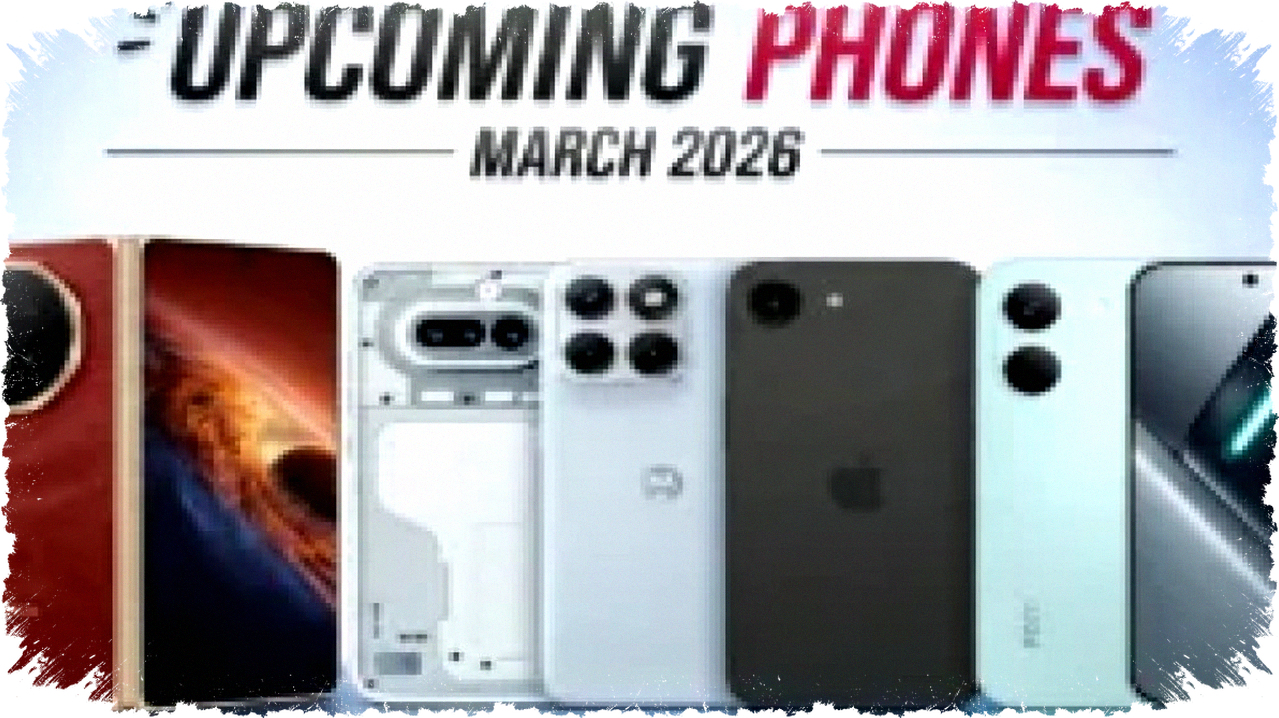
The smartphone market in early 2026 is defined by groundbreaking advances in AI integration and innovative hardware design. Major players like Samsung, Xiaomi, and Apple are shaping this era with flagship devices and strategies that appeal to a broad spectrum of users. Their focus on smarter AI, foldable screen technology, and strategic pricing are driving competition to new heights.
Samsung leads with its Galaxy S26 Series, unveiling “Hyper-Personalized AI” that processes data locally to enhance user experience without compromising privacy. The device uses a Snapdragon 8 Gen 5 chipset fine-tuned for efficient Neural Processing Unit (NPU) performance. Its Dynamic AMOLED 3X screen offers an unmatched brightness peak of 3,500 nits, setting a new industry standard for displays.
Flagship Smartphones Driving AI Evolution
Samsung’s Galaxy S26 aims to deliver AI capabilities directly on the device. This on-device generative AI adapts to user habits, resulting in personalized interactions and faster performance. Samsung’s strategy highlights privacy and efficiency by reducing cloud dependence, which is critical as AI becomes more central to user experience.
Xiaomi counters with the Xiaomi 17, known for its ultra-fast charging technology. Featuring 240W charging, it can fully recharge the battery in under 8 minutes, a remarkable leap over competitors. Collaborating with Leica, Xiaomi enhances its camera system with a one-inch sensor featuring a variable aperture, enhancing low-light photography significantly.
Apple introduces a new dimension with the iPhone 17e, an affordable option equipped with the high-performance A19 chip. This move targets the mid to upper-middle market, traditionally dominated by Samsung’s Galaxy A series and various Chinese brands. Despite its budget-friendly price, the iPhone 17e offers Apple Intelligence, bringing premium AI features to a wider audience.
| Feature | Samsung Galaxy S26 | Xiaomi 17 | iPhone 17e |
|---|---|---|---|
| Chipset | Snapdragon 8 Gen 5 / Exynos 2600 | Snapdragon 8 Gen 5 | Apple A19 |
| Display | 6.8" QHD+ 144Hz | 6.7" 1.5K 144Hz | 6.1" OLED 90Hz |
| Main Camera | 200MP (OIS AI) | 50MP Leica Gen 3 | 48MP Dual Camera |
| Battery/Charging | 5,000 mAh / 65W | 5,500 mAh / 240W | 3,500 mAh / 30W |
| Key Feature | On-Device Generative AI | Hyper-Fast Charging | Apple Intelligence |
Foldable Phones: The Battle for Slimmest and Most Durable
Foldable smartphones have evolved beyond novelty to mainstream value propositions. Honor Magic V6 and Oppo Find N6 are the frontrunners in the race for the world’s thinnest foldable phone. Honor’s device is just 8.9 mm thick when folded, matching the thickness of traditional candybar phones.
Oppo innovates with its “Falcon Wing” hinge, engineered for an impressive durability of up to one million folds. The company is also addressing persistent technical challenges by eliminating the crease entirely and integrating a periscope camera in an extremely slim body.
These developments reflect industry shifts towards sustainability and durability without sacrificing design aesthetics. Foldables are now positioned as tools for productivity as well as premium status symbols.
Emerging Technology Trends: Contextual AI and WiFi 7
AI in 2026 has transitioned from text-based generative models to contextual intelligence. Smartphones anticipate needs, delivering proactive assistance throughout the day. This contextual AI makes devices more intuitive, enhancing usability across various applications.
Connectivity advances with WiFi 7, now a must-have for high-end smartphones. It ensures ultra-low latency essential for augmented reality (AR) and virtual reality (VR) experiences. This enables seamless streaming and interaction in emerging digital realms.
Environmental sustainability is also a focus as manufacturers adopt eco-friendly materials and silicon-carbon battery technology. These innovations extend battery life while reducing device size, aligning with global environmental commitments.
Choosing Your Next Smartphone: What to Consider
Consumers face a diverse array of choices depending on priorities. For productivity and advanced AI features, Samsung Galaxy S26 stands out with its on-device intelligence. Photography enthusiasts will find the Xiaomi 17’s Leica-backed system and rapid charging highly appealing.
Users seeking entry into the Apple ecosystem with a restricted budget might find the iPhone 17e an ideal option, combining cost-effectiveness with powerful AI support. Meanwhile, foldable phones like Honor Magic V6 and Oppo Find N6 offer unique form factors focused on versatility and style.
Before purchasing, consider factors such as the need for a foldable screen, battery life, and AI integration level. Hybrid options now exist, bridging traditional and futuristic demands in smartphone design.
This period marks a paradigm shift where flagship smartphones blend AI innovation, premium design, and competitive pricing. Understanding distinct features helps buyers navigate a transformative market effectively.
-
-

-
-