


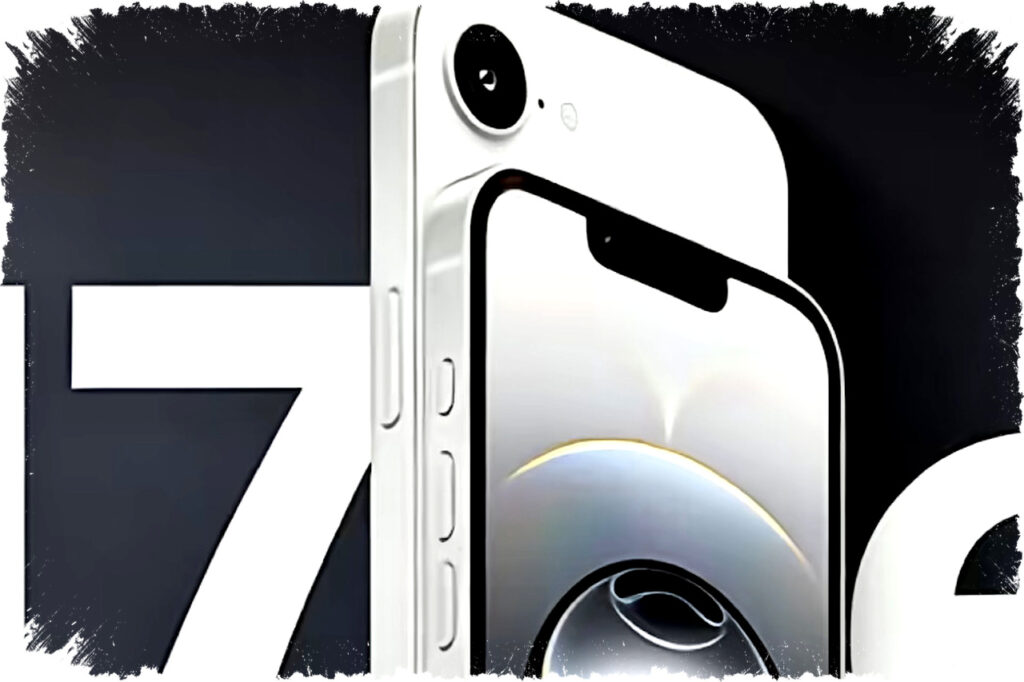
Apple recently launched the iPhone 17e, targeting budget-conscious buyers with a model priced starting at $599 for the 256GB variant. This release comes with minimal design changes and incremental hardware upgrades compared to the standard iPhone 17.
The design of the iPhone 17e largely retains the notch, foregoing the more modern Dynamic Island introduced in higher-end models. The addition of a new soft pink color is the only notable aesthetic update.
Internally, the iPhone 17e is powered by the A19 chipset — the same processor found in the iPhone 17 standard model. This chip is paired with Apple’s latest C1X modem to improve cellular connectivity, promising faster network speeds.
Apple has upgraded the display protection with Ceramic Shield 2, enhancing durability. The glass now also features an anti-reflective coating to reduce glare under bright lighting conditions. However, the screen’s refresh rate remains at 60Hz, which falls short of the smoother 120Hz found in other iPhone models.
For photography, the device sports a 48MP main camera with a 2x optical zoom achieved through sensor cropping. This is an improvement over previous generations, catering to users seeking better zoom capabilities without switching to Pro models.
Significant storage upgrades have been applied; the base model now offers 256GB instead of 128GB, which should satisfy users who require more onboard storage without paying a premium. Additionally, Qi wireless charging support via MagSafe is retained, though official statements did not emphasize this feature.
Here is a summary of the iPhone 17e’s key specifications and upgrades:
- Price: Starting at $599 for 256GB
- Design: Retains notch design, new soft pink color option
- Processor: A19 chipset (same as iPhone 17)
- Modem: C1X modem for faster cellular connection
- Display: 60Hz refresh rate, Ceramic Shield 2, anti-reflective coating
- Camera: 48MP main sensor, 2x optical zoom (crop-based)
- Storage: Starts at 256GB
- Charging: Up to 15W wired via USB-C, MagSafe wireless charging included
Despite these upgrades, many tech enthusiasts view the iPhone 17e as lacking sufficiently compelling reasons to upgrade from previous models or even to choose over the standard iPhone 17. The continued use of a 60Hz refresh rate and the absence of Dynamic Island are frequently cited drawbacks.
Apple’s history shows brand loyalty remains strong, but the iPhone 17e may struggle to attract users who prioritize features like smoother UI experiences or innovative design elements. For consumers seeking value, it represents a more affordable entry point into the latest generation but without cutting-edge display or software features.
The drop in base storage price point is a smart move, as many users demand larger capacity for apps, photos, and media. Meanwhile, the camera improvements alone might appeal to mobile photography fans on a budget.
Ultimately, whether to purchase the iPhone 17e or skip it depends on individual priorities. If maintaining access to the latest chipset and longer software support is key, this model fits the bill. However, for those chasing display innovation or a more modern design, the iPhone 17 standard or Pro models offer stronger incentives.
With Apple officially unveiling the iPhone 17e on March 2, 2026, the smartphone market sees another budget-tier option that balances performance and price. Consumer reactions will likely hinge on detailed user experience reviews and comparisons to competitors’ offerings in this price range.
As features like faster connectivity, stronger screen protection, and improved cameras become standard even in mid-range smartphones, buyers now face tougher choices. The iPhone 17e, while reliably crafted, may not present enough innovation to excite early adopters or second-tier upgrade seekers.
Still, Apple’s brand value and ecosystem integration remain persuasive factors for many loyal users considering this latest affordable alternative. Potential buyers should weigh the pros and cons carefully, especially factoring in the 60Hz display limitation and design similarities to previous generations.
How the iPhone 17e fares in terms of sales and user satisfaction will shape Apple’s future strategy for budget models. For now, consumers must ask themselves: is this minimal upgrade worth your investment, or is it better to wait for a more substantial update in upcoming releases?