Mudik Lebaran Idul Fitri 1447 Hijriah demands more than just physical preparedness. A reliable smartphone equipped with the right features plays a crucial role in ensuring the journey is safe and smooth. Digital traffic surges are forecasted on major routes by mid-March 2026, making smartphone reliability essential for communication, navigation, and emergency readiness.
The Indonesian government, through the Ministry of Communication and Informatics (Kemkomdigi), has prepared 386 digital posts and a monitoring system to maintain stable connectivity during mudik. Travelers should optimize their smartphones with these 12 essential features to avoid technological roadblocks.
1. Offline Navigation and Complete Maps
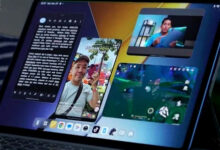

Smartphones must support offline maps to maintain navigation when cellular signals are weak or lost. Google Maps allows users to download routes and maps for offline use, providing uninterrupted guidance on long journeys.
2. Real-Time Traffic Updates and Alternative Routes
Real-time traffic monitoring helps drivers choose the quickest and safest paths. Google Maps delivers live visual updates and alerts about road restrictions, enabling smart rerouting to bypass congestion or accidents.
3. Accurate GPS and SOS Location Features
A strong GPS signal and an SOS feature are vital for emergencies. Users can share their exact location instantly with family members or emergency responders if needed, enhancing safety during travel.
4. Long Battery Life and Power Saving
Long hours on the road drain smartphone batteries quickly. Devices equipped with large-capacity batteries and power-saving modes ensure that essential apps remain functional throughout the journey.
5. Advanced Data and Network Security
Protecting sensitive information is paramount, especially when connecting to public Wi-Fi during stops. Security frameworks like Samsung Knox Vault and automatic threat blockers guard devices against malicious apps and attacks.
6. Data Usage Management and Stable Internet
Effective data management prevents unexpected quota depletion. Smartphones should provide clear usage controls and stable internet connections to maintain communication and navigation services uninterrupted.
7. Emergency Notifications and Mobile Location Systems
Features like Advanced Mobile Location (AML) automatically send accurate location data to emergency call centers during distress calls. This speeds up response times and could be lifesaving.
8. Communication Apps with Real-Time Location Sharing
Apps such as WhatsApp and Telegram enable group chats and live location sharing. These tools enhance family coordination and updates throughout the journey.
9. Application Security and Two-Factor Authentication
Enabling two-step verification on important accounts adds an extra layer of security. Travelers should avoid unsecured public Wi-Fi unless using a Virtual Private Network (VPN) to reduce the risk of data theft.
10. Cloud Backup for Important Data
Backing up photos, videos, documents, and maps to the cloud ensures data safety in case the smartphone is lost or damaged during travel.
11. Offline Entertainment Content
Downloading music playlists, videos, and games in advance allows travelers to enjoy entertainment without depending on mobile data or connectivity.
12. Access to Official Mudik Information and Digital Posts
Reliable apps and websites such as Mudikpedia deliver verified updates on traffic, emergency posts, and assistance centers along the route. Staying informed reduces uncertainty and last-minute issues.
These features transform smartphones from mere communication tools into comprehensive travel assistants. Activating and utilizing them prior to departure increases safety, convenience, and peace of mind throughout the mudik period. Equipped correctly, the smartphone becomes an indispensable companion for travelers during Lebaran 1447 Hijriah.