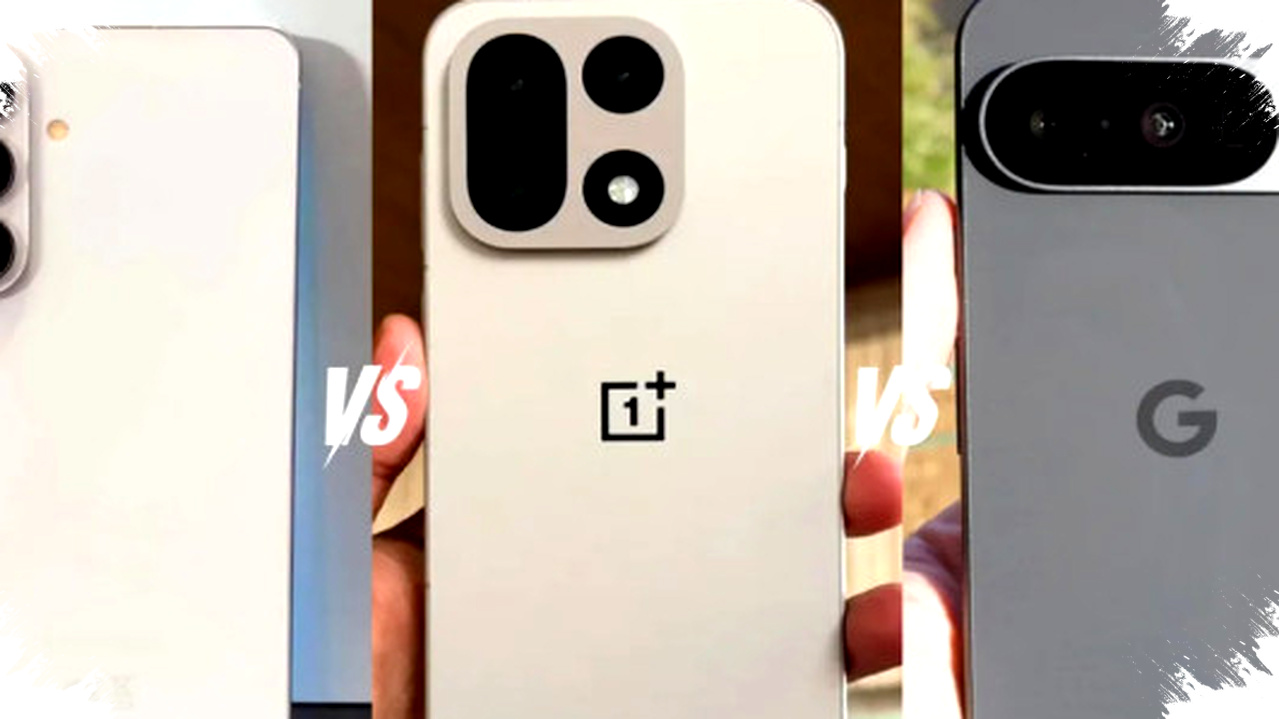
The smartphone market in 2026 has become fiercely competitive, especially among flagship models. Samsung Galaxy S26 faces strong challenges from OnePlus 15 and Google Pixel 10. Each phone targets distinct user needs despite sharing the Android platform.
Samsung Galaxy S26 impresses with an ultra-thin body measuring just 7.2mm. It features a Dynamic LTPO AMOLED 2X display capable of reaching 2,600 nits brightness. Meanwhile, OnePlus 15 opts for a bigger 6.78-inch screen with a 165Hz refresh rate, ideal for gamers. Pixel 10, though less flashy in size, offers a clean Android experience backed by long-term software support.
Processor and Performance

Both Samsung Galaxy S26 and OnePlus 15 utilize the Snapdragon 8 Elite Gen 5 chipset, known for delivering top-tier speed and efficiency. Google Pixel 10 sticks with its in-house Tensor G5 processor, emphasizing AI optimization over raw power. This difference means Samsung and OnePlus phones excel in performance benchmarks, while Pixel focuses on smart features driven by AI.
Design and Display Features
Samsung’s claim to fame lies in its slim form factor and bright, vivid display. The 7.2mm thickness makes it one of the slimmest flagship phones available. Its screen technology supports adaptive refresh rates and outstanding visibility under sunlight. In contrast, OnePlus offers a larger display area with 165Hz smoothness, beneficial for gaming and media consumption. Pixel 10 balances size and simplicity, focusing on user-friendly interaction rather than top-end display specs.
Battery Capacity and Charging Speed
Battery life is a major differentiator among these phones. OnePlus 15 dominates with a massive 7,300mAh battery that supports 120W fast charging. This allows users to reach 50% battery in just 15 minutes. Samsung Galaxy S26, however, sticks with a comparatively slower 25W wired charging solution, prioritizing compactness over charging speed. Pixel 10’s battery details were not highlighted but it leans towards balanced endurance with optimized software power management.
Pricing and Storage Options
When it comes to pricing, Google Pixel 10 is the most affordable among the three, starting at $799 for the 128GB variant. Both Samsung and OnePlus set a higher entry price at about $899 for models with 256GB of storage. This difference positions Pixel 10 as an attractive option for budget-conscious consumers seeking premium software support but with slightly lower hardware specs.
AI and Software Ecosystem
Samsung Galaxy S26 runs on One UI 8.5, incorporating the most comprehensive AI features in this trio. Samsung promises enhanced productivity with AI deeply integrated into user workflows. Pixel 10 relies on pure Android with guaranteed seven years of system updates, appealing to users valuing software longevity. OnePlus 15 also features AI enhancements but focuses more on raw performance and fast-charging technology.
Choosing Between Samsung Galaxy S26, OnePlus 15, and Pixel 10
User priorities are key in making the best choice. Choose Samsung Galaxy S26 if you want a sleek, high-brightness display and intelligent AI tools in a premium design. The thin body and vivid screen make it comfortable and stylish. Opt for OnePlus 15 if battery life and fast charging matter most. Its large battery and rapid charging remove power anxiety for heavy users and gamers. If budget and long-term software support are crucial, Pixel 10 offers excellent value with assured updates over the next seven years.
Summary Table: Key Specs Comparison
| Feature | Samsung Galaxy S26 | OnePlus 15 | Google Pixel 10 |
|---|---|---|---|
| Thickness | 7.2 mm | Not specified | Not specified |
| Display | Dynamic LTPO AMOLED 2X, 2,600 nits brightness | 6.78" AMOLED, 165Hz | Balanced AMOLED |
| Processor | Snapdragon 8 Elite Gen 5 | Snapdragon 8 Elite Gen 5 | Tensor G5 AI optimized |
| Battery | Not specified (smaller), 25W charging | 7,300mAh, 120W fast charging | Moderate capacity, optimized OS |
| Storage Starting Price | 256GB $899 | 256GB $899 | 128GB $799 |
| Software Updates | One UI 8.5 AI features | OxygenOS enhanced | Pure Android, 7 years updates |
This dynamic among the three flagship devices highlights diverse consumer needs today. Samsung excels in premium design and integrated AI. OnePlus dominates battery endurance and charging speed. Google stands out in affordability and update reliability.
Purchasers aiming for the thinnest and brightest phone with advanced AI may lean toward Galaxy S26. Heavy users prioritizing battery and charging choose OnePlus 15 confidently. Meanwhile, budget-conscious buyers who want timely software support consider Pixel 10 the practical option.
This trio’s competition pushes innovation beyond raw specifications. It underscores how user experience, ecosystem support, and hardware synergy drive modern smartphone appeal.