Apple’s 2026 iPhone lineup brings a notable shift by equipping all iPhone 17 models, including the base and the Pro Max, with LTPO OLED displays featuring adaptive refresh rates up to 120Hz. This change breaks the previous norm where only Pro models had the ultra-smooth screen experience. For everyday users, this means iPhone 17 delivers fluid scrolling and responsive interactions without needing to jump to the more expensive Pro Max variant.
With this upgrade, the main buyer decision has shifted from simply getting a smoother display to evaluating what additional features the Pro Max offers. The base iPhone 17 now feels more premium and “Pro-like” than ever, particularly for users focused on casual media consumption such as social browsing, reading, and light multitasking.
Display and Design Differences

While both iPhone 17 and iPhone 17 Pro Max feature similar advanced LTPO technology, the size and design remain a clear distinction. The standard iPhone 17 offers a more compact form factor suitable for one-handed usage, whereas the Pro Max caters to those preferring a larger screen for immersive content viewing. The adaptive refresh rate of 1Hz to 120Hz optimizes battery efficiency by scaling the screen update speed based on content, reducing power draw during static image display.
Physically, the Pro Max model is bigger and heavier, with slightly different materials and finish that support a more professional aesthetic. Users who prioritize portability and comfort might favor the iPhone 17, while those wanting maximal screen real estate and enhanced grip may choose the Pro Max.
Performance and Processing Power
Under the hood, both models run on Apple’s latest AI-optimized chipset designed for demanding tasks. This includes seamless running of automated photo editing, sophisticated voice recognition, and AI-assisted video production. The base iPhone 17 handles these seamlessly for general users.
Pro Max stands out by integrating a higher-tier chip with enhanced GPU performance. This additional power benefits users who often engage in high-resolution video editing, graphically intense games, and professional content creation. Its upgraded cooling system supports long-duration high-performance use without throttling.
For most users, the iPhone 17 standard provides ample processing capability. However, the Pro Max is a strategic choice for power users who demand peak computational resources.
Camera Systems Comparison
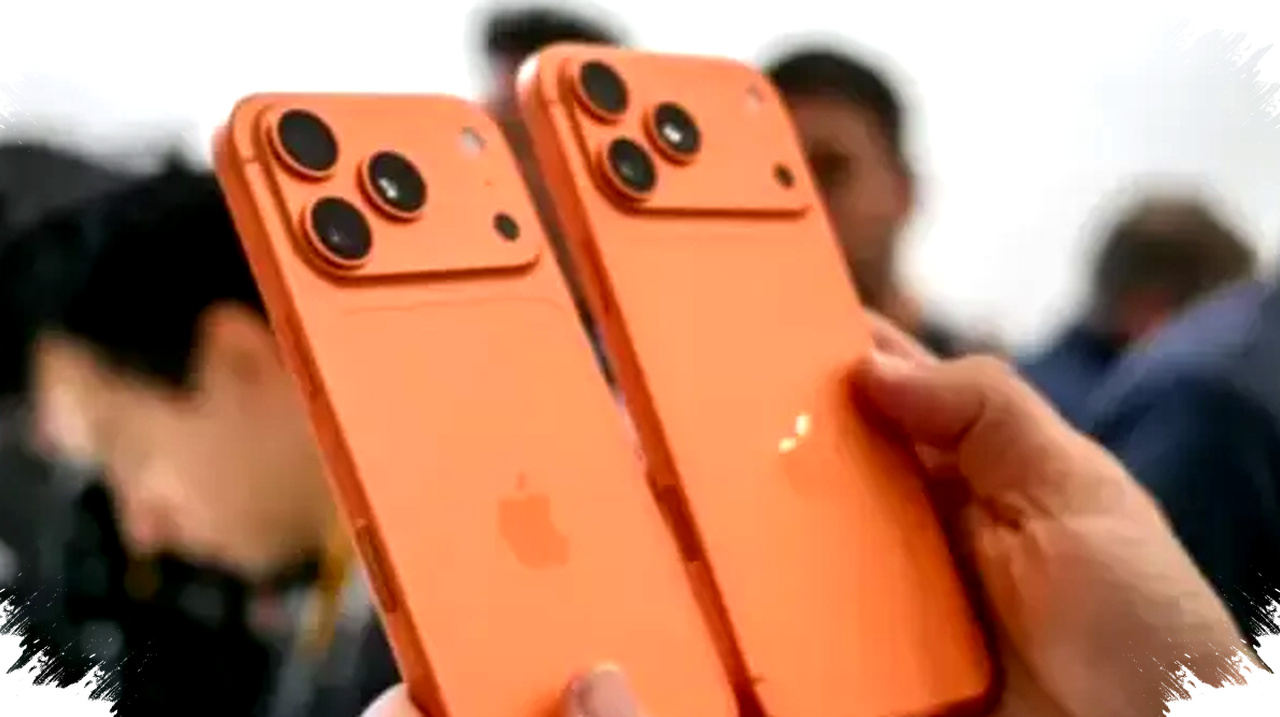
The camera setup is a decisive factor separating the two models. The iPhone 17 Pro Max features a triple-camera array equipped with high-resolution sensors and superior optical zoom capabilities. These enhancements cater perfectly to photographers and video content creators seeking maximum image detail and versatile shooting options.
Conversely, the iPhone 17’s dual-camera system offers excellent photo quality for everyday scenarios like travel documentation, social media content, and casual snapshots. It delivers sharp, vibrant images with dependable stabilization. Although it lacks the extended zoom range and Pro-level camera modes, its camera remains more than adequate for standard users.
Both models include support for professional-grade video recording, but Pro Max’s wider feature set is tailored toward creators needing advanced control.
Battery Life and Usage
Thanks to its larger physical size, the Pro Max accommodates a bigger battery than the iPhone 17 standard. This translates to longer battery endurance, especially under intensive workloads or all-day usage without needing frequent recharges.
The adaptive refresh rate contributes to battery savings in both devices, but the Pro Max’s higher capacity provides greater operational flexibility. Users heavily reliant on their phone throughout the day, particularly for video recording or gaming, will see a tangible benefit from the Pro Max’s power reserves.
Pricing and Value Considerations
Pricing differences remain substantial. In markets like Indonesia, the price gap between the iPhone 17 and iPhone 17 Pro Max can influence purchase decisions significantly. The standard iPhone 17 offers flagship-level features at a relatively more affordable price point. It targets users prioritizing performance and display quality without premium extras.
Meanwhile, the Pro Max commands a premium justified by enhanced graphics, camera sophistication, and battery life. Professionals and content creators often find the investment worthwhile given the added advantages for their workflows.
Summary Table: Key Comparison Points
| Feature | iPhone 17 Standard | iPhone 17 Pro Max |
|---|---|---|
| Display | LTPO OLED, 120Hz adaptive | LTPO OLED, 120Hz adaptive |
| Screen Size | Compact, easier handling | Larger, immersive viewing |
| Chipset Performance | High-end AI optimized | Pro-tier GPU, advanced cooling |
| Camera System | Dual-camera, standard zoom | Triple-camera, extended zoom |
| Battery Capacity | Smaller battery | Larger battery, longer life |
| Price (approximate USD) | More affordable ($700–$800) | Premium price ($1,200+) |
Apple’s decision to equip the entire iPhone 17 range with premium screen technology marks an evolution aimed at democratizing smooth display experiences. The base iPhone 17 now caters well to broad consumer needs, delivering flagship responsiveness and visual quality. Meanwhile, the iPhone 17 Pro Max remains the top choice for those demanding the utmost in power, photography, and battery performance.
For buyers in 2026, the core question has shifted from simply chasing the smoothest display to assessing how deep their requirements run for professional features. The iPhone 17 is a balanced, intelligent purchase for most users, blending premium design with capable hardware. The Pro Max is a targeted tool for content creators, media professionals, and enthusiasts who benefit from its boosted capabilities and extended endurance.