Samsung Galaxy S26 Ultra launched with high expectations, but soon after its release, users and critics noted several important drawbacks. These issues mainly affect key features like the display and camera, which are crucial for a flagship smartphone experience. Understanding these shortcomings is essential before considering this device as your next purchase.
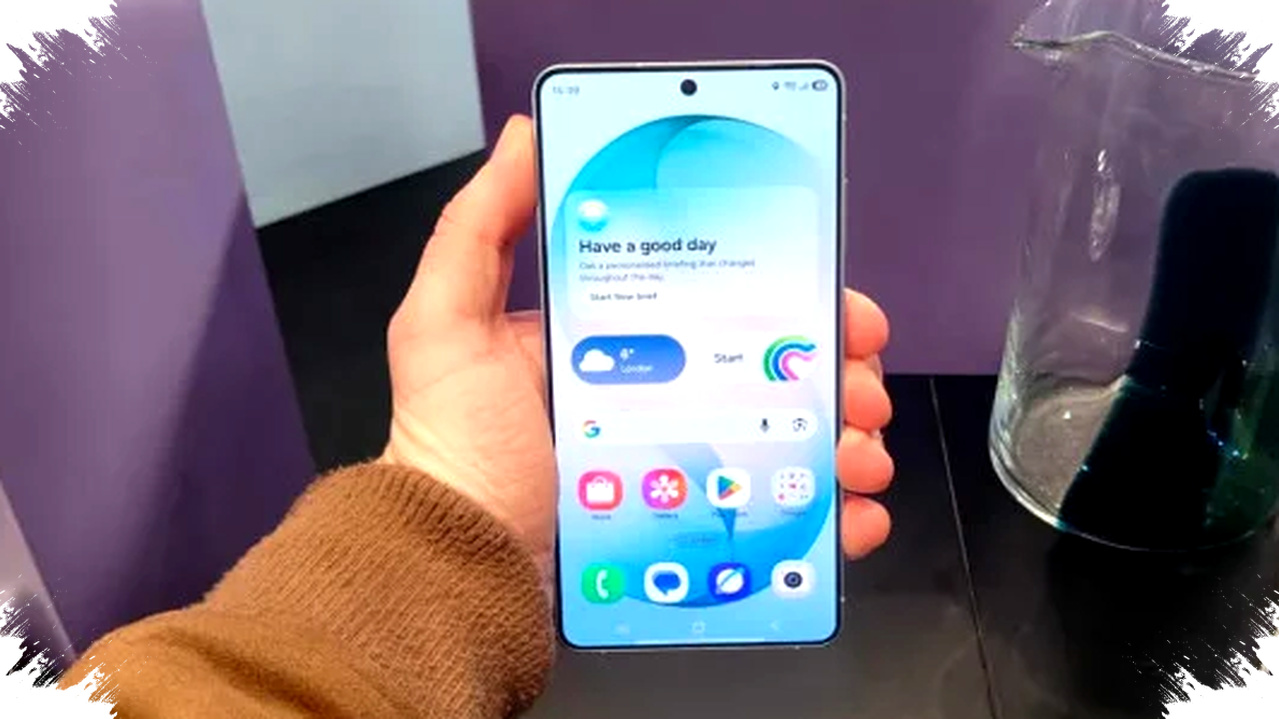
The first major concern revolves around the display’s brightness and clarity. Samsung introduced the Privacy Display feature, which aims to prevent screen content from being viewed by people nearby. While this enhances privacy, it significantly reduces the screen’s brightness. Laboratory tests recorded a peak brightness of just 1,806 nits for the S26 Ultra, which is lower than the 1,860 nits achieved by the Galaxy S25 Ultra. Although the difference seems marginal on paper, it becomes very noticeable when using the phone outdoors under direct sunlight.
Many users also reported that texts appear slightly blurred on the screen, a problem persisting even when the Privacy Display is turned off. This blurriness has caused eye strain during extended usage, diminishing the overall viewing experience. Such complaints raise concerns about the usability of the device for long reading or browsing sessions.

Another critical issue is related to the display panel’s color depth. Samsung initially promoted the S26 Ultra as having a 10-bit color panel. However, official specifications reveal that the device actually uses an 8-bit panel simulating 10-bit output. This means it can display approximately 16.7 million colors, rather than the true deep color gradation expected from a real 10-bit panel. As a result, HDR content transitions, such as sky gradients, appear less smooth and show noticeable banding compared to competitors’ devices.
The use of an 8-bit simulated panel affects the richness and accuracy of colors, which is a significant drawback for users who prioritize media consumption and professional-grade photo editing on their phone. This misrepresentation by Samsung has attracted widespread criticism from technology reviewers worldwide.
Camera capabilities, a crucial aspect for Galaxy Ultra users, also suffer due to hidden downgrades. The telephoto 3x zoom camera keeps its resolution at 10MP but uses a physically smaller sensor measuring 1/3.94 inches. This sensor size is smaller than the 1/3.52 inch sensor found in the previous Galaxy S25 Ultra. A smaller sensor gathers less light, worsening performance in low-light or dim environments.
Photos captured at night or indoors now show higher noise levels, reducing overall image quality. This downgrade is particularly problematic for users who rely on their smartphones for versatile photography, including zoomed-in shots during challenging lighting conditions. The reduced sensor size undermines one of the key promises of flagship-level camera performance.
Before purchasing the Samsung Galaxy S26 Ultra, consumers should weigh these drawbacks carefully. The device’s display and camera regressions might overshadow any other improvements it offers. Many technology experts suggest that last year’s Galaxy S25 Ultra still outperforms the new model in fundamental areas.
Here is a summary of the main drawbacks found in the Samsung Galaxy S26 Ultra:
1. Privacy Display feature lowers screen brightness significantly.
2. Text appears blurred and causes eye fatigue even when the feature is off.
3. The screen uses an 8-bit panel simulating 10-bit color, leading to less smooth HDR gradients.
4. The telephoto 3x camera sensor size is reduced, resulting in poorer low-light photo quality.
5. Display brightness under direct sunlight is slightly lower than its predecessor’s.
These issues have led to a strong debate among tech enthusiasts and potential buyers. The trade-offs in display and camera performance raise questions about whether upgrading to the S26 Ultra is justified. Samsung’s decision to downgrade certain core components indicates a shift that might not align with users’ expectations for flagship devices.
For those who prioritize screen clarity and camera excellence, especially in various lighting conditions, exploring alternatives or sticking with the older Galaxy S25 Ultra may be a wiser choice. Despite its innovative features, the Galaxy S26 Ultra’s compromises in essential areas reduce its appeal among demanding users.
Consumers planning to invest in this latest Samsung model should stay informed with ongoing reviews and user feedback as more detailed performance analyses become available. Understanding these limitations helps in making an educated decision that suits individual needs without compromising on quality or user experience.